












Government & Defence Supply Chain Management

Supply chain and workforce solutions for government and defence.

Trace helps Defence and Government agencies optimise supply chains, workforce operations, and service delivery. With proven experience across Federal and State Government and as members of multiple government panels, we deliver practical, resilient solutions that improve outcomes in complex, high-stakes environments.

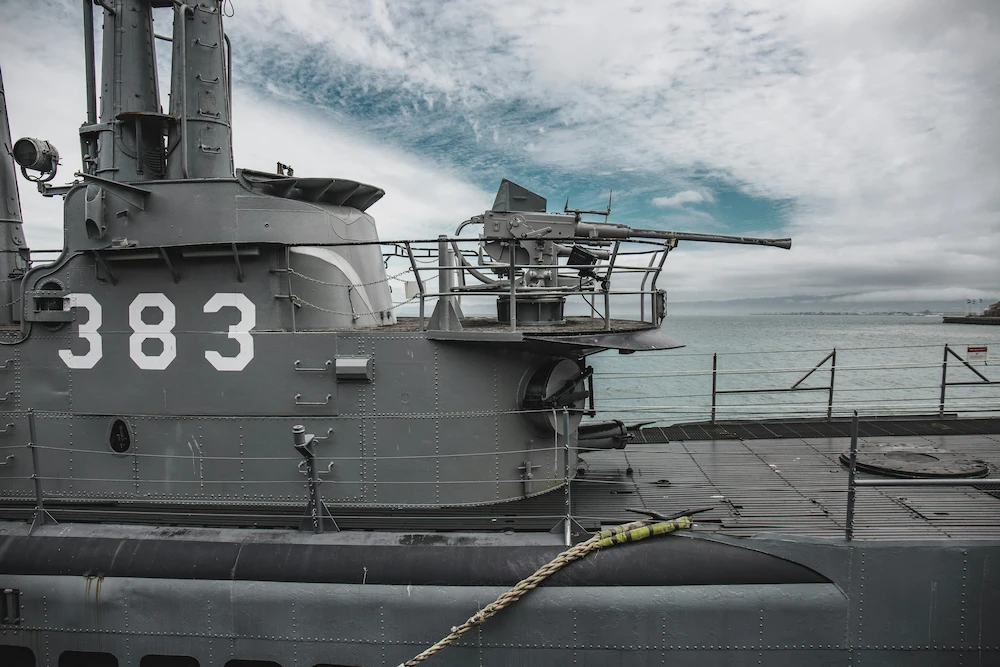
The top deck of a naval ship.

Supporting Australia's most complex operations with practical, outcome-driven consulting.

The Australian Defence Force (ADF) manages one of the country’s largest and most complex supply chains with billions invested annually in procurement, sustainment, and logistics. The performance of these systems is critical to operational readiness and national security.

At Trace Consultants, we bring deep expertise in defence supply chain strategy, government procurement, and public sector service delivery.

Government & Defence Consultants

Meet our government and defence experts:

Smiling man in a light grey blazer and purple shirt stands outdoors, with trees and a building in the background.

Mathew Tolley

Trace Partner
Linked In icon

Mathew has had previous roles in the Department of the Prime Minister and Cabinet, including as Director in the Office of Supply Chain Resilience. Over 12 years of experience advising public and private sector organisations.

Woman with long hair smiling, wearing a white blazer and green top, standing outdoors with autumn foliage in the background.

Emma Woodberry

Senior Manager
Linked In icon

Emma is a former Logistics Officer in RAAF, with over 10 years of experience in supply chain specialist consulting across diverse public sector organisations.

A woman smiling in a stylish, patterned jacket, with short hair and sitting by a large window with greenery in the background.

Emma Hope

Senior Manager
Linked In icon

Emma has had previous logistics roles at Department of Defence and over 5 years experience in supply chain specialist consulting for a broad range or public and private sector clients.

Professional portrait of a smiling man in a suit and tie, wearing glasses, with a blurred outdoor background.

David Carroll

Manager
Linked In icon

David Carroll is a Management Consultant with over eight years of experience supporting Federal Government clients.

Core service offerings

Strategic, operational, and technical support for government & defence:

From high-level strategy to hands-on implementation, Trace delivers targeted support across the full spectrum of supply chain, procurement, workforce, and system challenges.

Workforce Strategy & Service Chain Optimisation

We help government agencies and defence departments plan, roster, and deploy workforces that are efficient, resilient, and ready. Our work spans the full end-to-end service chain, from strategic workforce planning through to daily scheduling.

Key Services:

  • Workforce Strategy & Organisation Design
  • Procurement Strategy for Services
  • Skills Mix Analysis & Forecasting
  • Rostering Strategy & Scheduling Optimisation
  • Cost Efficiency Reviews
  • KPI Dashboards & Reporting
  • Workforce Process Improvement

Defence & Government Supply Chain Consulting

Our consultants bring real-world supply chain experience from base logistics to multi-tier procurement, combined with deep understanding of public sector governance and risk frameworks. We design and implement defence supply chain strategies that are future-ready and built for complexity.

Key Services:

  • Defence Supply Chain Strategy
  • Supply Chain Operating Model Design
  • Integrated Product Support (IPS)
  • Supply Chain Planning & Forecasting
  • Preparedness Modelling & Resilience Diagnostics
  • Process Improvement & Cost Reviews
  • Governance Frameworks & Reporting

System Selection & Implementation

We guide agencies through the full lifecycle of supply chain and workforce technology transformation. From requirements gathering to post-go-live support, we ensure tech investments are fit-for-purpose, people-friendly, and properly embedded.

Key Services:

  • Requirements Definition & Functional Scoping
  • Technology and Software Selection
  • Implementation Project Support
  • End-User Support & Adoption

Download our Capability Overview:

A concise, shareable overview of our approach to supply chain risk and resilience across government and commercial environments.

Thanks for your interest, your capability overview is ready to download below.

Download the Capability Overview (PDF)
*Please ensure you have filled out all required fields.
Futuristic digital network with glowing lines and transparent data panels representing supply chain risk and resilience.

How to engage us

Federal & State Government panels.

Trace is a listed provider on multiple Federal and State Government panels, making it simple for agencies to engage our services through established procurement pathways. Engage our services through:

Australian National Audit Office (ANAO)
Provision of Professional and Associated Services SON3921486

System Assurance Audits, Financial Statement Audits, Performance Audits, Labour Hire Contractor Recruitment services, and other additional services.

Australian Electoral Commission (AEC)
Provision of Transport, Logistics, and Related Services SON4025476

The provision of freight transport, logistics, and associated services, including the movement of electoral materials, furniture relocation, short-term storage, and technical advice.

Department of Finance – PD
Management Advisory Services (MAS Panel) SON3751667

Benchmarking, competition and market analysis, regulatory and policy analysis, business case development, cost-benefit analysis, supply and demand forecasting and more.

NSW Government
Performance and Management Services

Government and Business Strategy, Business Processes, Financial Services, Audit, Quality Assurance and Risk, Procurement and Supply Chain Services.

Digital Transformation Agency
Performance and Management Services

Strategy, Policy and Governance services, Business, Systems and Process analysis services, Solutions Implementation services

Our Experience

Proven track record with Federal and State Government clients:

Insights and resources

Latest insights on government & defence topics.

Sustainability

How Australia’s Energy Transition Will Shape Tomorrow’s Supply Chains

Shanaka Jayasinghe
Shanaka Jayasinghe
February 2026
Australia’s energy transition isn’t only an energy story—it’s a supply chain story. The organisations that win will secure scarce project inputs today and build the maintenance, repair and sustainment capability to keep new assets running tomorrow.

How Australia’s Energy Transition Will Shape Tomorrow’s Supply Chains

Australia’s energy transition is accelerating investment in new generation, storage, electrification and transmission. It is also creating a new set of supply chain constraints—some obvious today (equipment lead times, contractor capacity, complex logistics), and some that are being underprepared for (maintenance, spares, reliability, and long-term sustainment).

If you lead procurement, supply chain, operations, engineering, asset management, or major projects, you’re likely already feeling it: long lead times in critical categories, constrained specialist contractors, congestion at ports and staging areas, and schedules that look fine until supply chain reality hits.

But the bigger story is what happens next. As the installed base grows, maintenance, repair and sustainment becomes the dominant cost and risk driver. If your operating model and supply chain aren’t designed for sustainment, you don’t just get higher costs—you get reliability and availability problems that can take years to unwind. Build gets the headlines. Sustainment determines whether the transition actually delivers performance.

Why Australia’s energy transition is reshaping supply chains

Every major shift in the economy leaves a footprint in the supply chain. The energy transition’s footprint is unusually large because it changes three things at once:

  1. What gets built: new generation, storage, transmission, electrified fleets and industrial upgrades.
  2. How energy is produced and consumed: more variable supply, more electrification, and more distributed assets.
  3. What must be maintained: a much larger and more complex installed base with specialist parts, new failure modes, and stricter reliability expectations.

This combination is already creating practical supply chain pressure. In many sectors, organisations are feeling the build-phase pinch: long lead times, constrained specialist contractors, complex logistics and more schedule risk than traditional project governance is used to handling.

Yet the most underestimated shift is not in the build. It’s in the operating phase that follows. Once assets are commissioned, sustainment becomes the dominant cost and risk driver. That’s when MRO supply chains move from “back office” to “front page”.

The Australian context: why our supply chain challenge is different

Australia’s energy transition supply chain challenge is not a copy-and-paste of Europe or North America. We face uniquely Australian constraints that shape how the transition plays out on the ground.

Geography and regional delivery

Many transition assets are regional. That brings long transport routes, limited redundancy, weather impacts, variable road access, and fewer local suppliers. It also increases the importance of staging, laydown and careful sequencing—because re-handling and re-work becomes expensive fast.

Constrained domestic manufacturing in specialist categories

For a range of electrical equipment and power electronics, Australia relies on global manufacturing capacity. When global demand rises, the constraint becomes manufacturing slots, testing capacity, and shipping—often outside Australia’s direct control.

Shared labour pools and skills constraints

Energy projects draw on the same pools as mining, utilities, defence, government infrastructure and private construction: electrical trades, engineers, commissioning specialists, project managers, heavy vehicle operators and riggers. Your supply chain plan must include a workforce and contractor strategy, not just a procurement plan.

Social licence and stakeholder engagement

Transmission and regional infrastructure needs community engagement and landholder cooperation. Access, timing and conditions can shift—and schedules that ignore that reality tend to get rewritten later, under pressure.

Extreme weather and resilience planning

Floods, fires and storms don’t just disrupt freight; they disrupt labour availability, site access and supplier operations. Resilience planning is no longer a once-a-year risk workshop. It is part of everyday network and inventory design.

Change drivers: what’s forcing supply chains to evolve

Across Australia, organisations are facing a similar set of drivers. Naming them clearly is the first step to responding effectively.

Driver 1: A surge in infrastructure build and upgrade programs

Many organisations have moved from “a project” to a pipeline: multiple upgrades, multiple sites, multiple connection points, and a long runway of work. This shifts supply chains from project-by-project execution to portfolio delivery capability.

Driver 2: Long lead times and high-consequence categories

In the transition, availability becomes as important as price. Factory capacity, testing, quality assurance and shipping can be the hidden critical path—especially for specialist equipment. The consequence of delay is often much bigger than the cost of the item itself.

Driver 3: Electrification and energy as an operational constraint

As fleets, materials handling equipment, warehouses and industrial processes electrify, energy becomes a capacity constraint rather than a simple overhead. Site power capacity, upgrade pathways, charging infrastructure and operating schedules begin to shape cost-to-serve and service reliability.

Driver 4: Increased expectations for transparency and sustainability

Customers, investors and governance bodies are increasingly looking for credible progress on supply chain emissions, traceability and risk. That translates into supplier data requirements, stronger procurement governance, and new metrics.

Driver 5: Resilience expectations and reputational risk

Reliability is becoming non-negotiable. When outages or delays occur, the consequences include service disruption, safety exposure, financial penalties and reputational damage. Supply chain resilience is moving from “insurance” to “core design input”.

How supply chains are changing due to the energy transition

Below are the most important shifts we’re seeing across procurement, logistics, inventory, planning and operating models.

1) Procurement is shifting from lowest price to secure, serviceable, compliant

Traditional procurement approaches work well for stable categories. The energy transition introduces categories where lead times are long and variable, substitutions are difficult, and quality failures have higher consequences.

This is changing procurement in three ways:

  • Category strategies matter more than purchase orders.
  • Supplier qualification matters as much as negotiation.
  • Whole-of-life value matters more than capex price.

In practical terms, procurement teams are being asked to manage technical risk, delivery risk, and sustainment risk—often without the governance, data and cross-functional alignment to do it consistently.

2) Logistics is becoming heavier, more complex, and more regional

Transition programs change the freight profile. Many assets require heavy haulage, abnormal loads, specialist lifting, staged deliveries and laydown yards. Delays in site readiness can push equipment into storage and re-handling, increasing damage risk and cost.

Logistics planning becomes end-to-end orchestration:

  • ports-to-site movement planning
  • staging and laydown design
  • sequencing aligned to installation readiness
  • packaging and damage-prevention standards
  • contingency routes and recovery plans

3) Inventory profiles are shifting toward critical spares and rotables

As new assets come online, inventory moves beyond project materials. Organisations need to manage:

  • high-value critical spares with long replenishment lead times
  • rotable components requiring repair pipelines
  • specialist tooling and consumables
  • increasing obsolescence risk in electronics and vendor platforms

Without a deliberate MRO strategy, organisations drift into an expensive pattern: overstock some items, understock the critical ones, and rely on emergency procurement during outages.

4) Planning cycles need to tighten and become more integrated

Uncertainty increases the value of strong planning. The organisations that perform well connect demand, supply, capital works, workforce and financial outcomes into an integrated planning cadence. This often requires uplifting S&OP and IBP, and connecting project pipelines to operational readiness.

5) Supplier ecosystems are being rationalised and professionalised

Fragmented supplier bases create variability, weak accountability, and higher compliance risk. In transition-critical categories, organisations are increasingly moving toward a smaller number of strategic partners with clearer performance expectations and stronger governance.

6) Data handover and asset information management are becoming mission-critical

A recurring failure mode is poor handover from projects to operations. Missing bills of material, unclear warranties, incomplete commissioning records, and inconsistent asset hierarchies create a hidden cost that shows up later in downtime, maintenance delays and poor parts availability.

7) Maintenance supply chains are becoming a strategic capability

As the installed base grows, the maintenance supply chain becomes a strategic capability that influences reliability, cost, safety and service outcomes. This includes spares strategies, repair pipelines, service contracts, workforce models, and predictive maintenance integration.

Today vs tomorrow: what’s required now, and what’s required next

Many organisations are heavily weighted toward “build and connect” today. That makes sense—because the build phase is visible, urgent and funded. But the transition will increasingly be judged on reliability and long-term performance. That requires building sustainment capability in parallel.

What’s required today (0–3 years): set-up, acquisition and delivery

  • Secure long-lead and constrained equipment categories.
  • Lock in supplier capacity and quality assurance pathways.
  • Build portfolio-level procurement and logistics governance.
  • Design and operate staging and laydown to reduce congestion and damage risk.
  • Embed maintainability and serviceability criteria into procurement decisions.
  • Establish asset data and handover standards before commissioning.
  • Build realistic schedules that reflect supply chain and access constraints.

What’s required tomorrow (3–20+ years): MRO, maintenance and sustainment

  • Design spares strategies based on criticality and lead times.
  • Build rotable pools and repair pipelines to reduce downtime.
  • Professionalise maintenance planning and reliability capability.
  • Implement service contracting models aligned to performance outcomes.
  • Manage obsolescence risk and replacement roadmaps early.
  • Design sustainment networks: spares hubs, service coverage, repair partners.
  • Develop workforce models for field service and maintenance at scale.

Key message: Build-phase decisions lock in sustainment outcomes. If you don’t plan for MRO and maintenance today, you inherit cost and reliability issues tomorrow.

What organisations should do now: practical actions for the next 6–18 months

Here is a practical response plan designed for Australian conditions. These actions reduce schedule risk today while building the foundations for sustainment.

1) Build a transition supply chain exposure map

Start with clarity. Map your exposure across assets, sites, categories and constraints:

  • Which assets are being built, upgraded or electrified?
  • Which categories are long lead, constrained, or high consequence?
  • Where are the likely bottlenecks (manufacture, testing, shipping, port handling, inland transport, site access, commissioning)?
  • Which suppliers or lanes are single points of failure?
  • Which sites have energy capacity constraints or limited access?

The output should be something leaders can read in five minutes: a heat map of risks, a shortlist of opportunities, and a prioritised action list.

2) Create a long-lead register with a governance cadence

Long-lead items deserve discipline. A practical approach includes:

  • clear ownership across procurement, engineering and delivery
  • agreed lead time assumptions with confidence bands
  • quality and inspection gates (including acceptance testing where relevant)
  • expediting protocols and escalation pathways
  • contingency plans (substitution, alternates, strategic stock)

3) Upgrade critical procurement into true category strategies

For critical categories, “buying” is not enough. Build category strategies that include:

  • technical specification governance (engineering + procurement alignment)
  • supplier qualification and capability assessment
  • contract models aligned to risk (not one-size-fits-all)
  • whole-of-life scoring (serviceability, parts availability, warranties, data access)
  • supplier performance management and joint planning cadences

4) Design logistics and staging as part of your delivery model

Reduce re-handling, congestion and damage risk by designing logistics early:

  • ports-to-site movement plans with realistic capacity assumptions
  • staging and laydown strategy (location, security, storage conditions)
  • packaging and damage-prevention standards
  • sequenced deliveries aligned to installation readiness
  • contingency routing and recovery plans

5) Build supplier performance management that changes outcomes

Supplier performance governance must be operational:

  • define clear metrics (delivery reliability, quality, documentation, responsiveness)
  • hold regular performance cadences with actions and owners
  • use escalation pathways and levers when required
  • reward reliability and transparency, not just headline pricing

6) Set asset data and handover standards before the first delivery arrives

Make handover a requirement, not an afterthought. Define minimum standards for:

  • asset registers and hierarchies
  • bills of material (including manufacturer part numbers and alternates)
  • warranty terms, boundaries and claims processes
  • commissioning results and acceptance documentation
  • maintenance manuals and training requirements
  • spares lists and recommended holdings
  • access to monitoring/diagnostics data and ownership rights

7) Align build decisions to whole-of-life value

Whole-of-life thinking prevents expensive surprises. Ensure decisions consider:

  • local service coverage and technician availability
  • parts lead times and supply certainty
  • repairability and refurbishment options
  • interoperability and data access
  • obsolescence risk and upgrade pathways

8) Build workforce and contractor strategies into supply chain plans

Many delays are ultimately labour delays. Make workforce a first-class planning variable:

  • forecast capability needs across delivery and sustainment
  • identify scarce roles and develop sourcing strategies
  • plan for regional coverage and travel requirements
  • define contractor models with clear accountability and performance measures

9) Improve visibility with practical dashboards

You don’t need perfect data to make better decisions. Start with visibility across:

  • long-lead status and confidence
  • supplier delivery and quality performance
  • logistics milestones and staging constraints
  • critical risks and mitigation actions

10) Create the first version of your sustainment blueprint now

Even during build, set the sustainment blueprint early:

  • critical spares philosophy and service targets
  • repair vs replace approaches for key components
  • service contracting principles and accountability
  • sustainment network concepts (regional hubs vs centralised)
  • asset data requirements to enable maintenance and reliability

How to prepare for tomorrow: MRO, maintenance and sustainment supply chains

As the transition progresses, success will be judged on reliability and uptime. That puts MRO supply chains at the centre of performance.

1) Segment assets by criticality and consequence of failure

Use a simple model that considers safety, outage impact, lead time to replace, and detectability. This determines what you stock, where you stock it, and what service levels you require.

2) Design spares strategies deliberately (not as a “buy more spares” reaction)

A robust spares strategy balances availability and total cost through:

  • critical spares held locally where downtime consequence is high
  • rotable pools with defined repair turnaround times
  • vendor-managed inventory for selected consumables where it reduces waste
  • clear reorder parameters and governance
  • obsolescence controls and end-of-life planning

3) Build repair pipelines and refurbishment capability

Repair capability reduces dependency on long lead replacement parts and improves resilience. Even when repairs are outsourced, you need defined processes, partners, turnaround times and quality assurance.

4) Professionalise maintenance planning and scheduling

Maintenance success is largely planning success. Mature sustainment environments have:

  • standardised job plans and maintenance philosophies
  • clear backlogs and prioritisation rules
  • integrated planning of people, parts and downtime windows
  • feedback loops to improve plans based on outcomes
  • reliable reporting on schedule compliance and failure patterns

5) Apply predictive maintenance where it pays (targeted, not universal)

Predictive maintenance is most valuable for high-consequence assets where failure modes are detectable. The question is not “can we monitor it?” but “can we act on it?”. A predictive program requires capability across data, work management and parts availability.

6) Design service contracts for performance outcomes

High-consequence assets need service agreements that include clear response times, parts availability expectations, escalation paths, and performance measures with consequences. Vague “support agreements” tend to fail when you most need them—during outages.

7) Build an obsolescence and replacement roadmap early

Electronics and vendor platforms can have shorter lifecycles than physical infrastructure. An obsolescence roadmap prevents rushed replacements and helps align upgrades to planned maintenance windows.

8) Design the sustainment network for Australia’s geography

Where spares sit and how service coverage works is a network decision. Consider:

  • regional spares hubs vs centralised holdings
  • response time requirements and access constraints
  • local repair partners vs OEM pathways
  • reverse logistics for failed components
  • mobile service models and technician deployment

9) Build the sustainment workforce model

As the installed base grows, sustainment becomes a scale challenge. Plan for:

  • skills and certifications
  • regional coverage and roster models
  • contractor vs in-house mix
  • training and capability uplift

10) Make reliability a shared KPI across procurement, operations and suppliers

Reliability is not solely an engineering outcome. It is shaped by procurement choices, parts strategies, supplier service models, and operational discipline. Align incentives and governance so reliability is owned across functions.

KPIs that matter in the energy transition supply chain

Traditional KPIs still matter. But transition-ready organisations add metrics that reflect lead time risk, quality, sustainment and resilience.

Build and acquisition KPIs

  • Schedule risk on long-lead items (confidence-based tracking)
  • Supplier on-time in-full delivery with root cause tracking
  • Quality non-conformances and defect rates
  • Logistics damage incidents and re-handling frequency
  • Staging dwell time and cost of congestion
  • Documentation completeness at handover

MRO and sustainment KPIs

  • Asset availability and reliability measures (where applicable)
  • Maintenance schedule compliance
  • Spare parts service level (fill rate for critical items)
  • Repair turnaround time for rotables
  • Critical stockouts and outage impact
  • Obsolescence exposure (parts at end-of-life)
  • Whole-of-life cost trends (capex + opex + downtime cost drivers)

Common pitfalls to avoid

Pitfall 1: Treating transition procurement like routine procurement

Critical categories need category strategies, supplier qualification and performance governance. Otherwise you end up with reactive expediting and quality fixes.

Pitfall 2: Building assets without defining sustainment requirements

If maintainability, parts availability, warranty clarity and data handover aren’t embedded early, the organisation inherits avoidable downtime and cost.

Pitfall 3: Underestimating logistics and staging constraints

Ports-to-site logistics, heavy haulage and regional access often become hidden critical paths. Design logistics early to reduce re-handling, damage and congestion.

Pitfall 4: Poor project-to-operations handover

Missing BOMs, incomplete documentation and unclear warranties create a hidden tax that shows up as downtime, overstock, stockouts and slower repairs.

Pitfall 5: Waiting until failures occur to build an MRO model

Sustainment capability takes time. If you delay, reliability deteriorates as the installed base grows.

How Trace Consultants can help

The challenges above sit across strategy, procurement, planning, operations, sustainability and asset sustainment. They are cross-functional by nature. Trace Consultants helps Australian organisations navigate this complexity by combining evidence-led analysis with practical implementation support.

Supply chain strategy and network design

  • transition readiness assessments and exposure mapping
  • network modelling and scenario planning (cost, service, resilience)
  • site strategy and footprint planning (including spares hubs and staging yards)
  • operating model design linking projects to operations
  • business cases and investment roadmaps that stand up to executive scrutiny

Strategic procurement and critical category management

  • category strategies for long-lead and high-consequence categories
  • supplier qualification, panels and framework agreement set-up
  • contracting models aligned to schedule, quality and service risk
  • supplier performance governance and escalation pathways
  • whole-of-life procurement criteria (serviceability, parts availability, warranties, data access)

Planning and operations uplift (S&OP and IBP)

  • planning maturity assessments and capability uplift
  • integrated planning connecting capex delivery to operational readiness
  • constraint management and scenario planning
  • executive governance rhythms and decision-quality reporting

MRO supply chain design and sustainment planning

  • spares criticality frameworks and stocking strategies
  • rotable pool design and repair pipeline set-up
  • service contracting models and SLA design
  • obsolescence and replacement roadmaps
  • asset data and handover standards to enable reliability

Resilience, risk and sustainability embedded in supply chain decisions

  • supply risk assessments and practical mitigation planning
  • continuity planning aligned to operational reality
  • supplier transparency approaches that are scalable
  • decision frameworks balancing cost, service, risk and sustainability

Most importantly, Trace supports implementation—helping organisations move beyond recommendations to changes that stick in day-to-day operations.

A practical roadmap: what to do in 90 days, 12 months and 3 years

Next 90 days: stabilise and prioritise

  • build a transition supply chain exposure map (assets, categories, sites, constraints)
  • identify top risks and opportunities with owners and actions
  • establish a long-lead register and governance cadence
  • define asset data and handover standards for projects underway
  • agree decision principles: cost, schedule, safety, reliability, maintainability

Next 6–12 months: secure supply and design sustainment

  • develop category strategies for critical inputs and establish supplier panels where appropriate
  • implement supplier performance governance that drives actions
  • design MRO strategies: spares criticality, stocking policies, rotables and repair pipelines
  • design service contracting models with performance outcomes and accountability
  • uplift planning maturity to connect capex delivery and operational readiness
  • confirm sustainment network decisions (spares locations, service coverage, repair partners)

Next 12–36 months: industrialise, digitise and scale

  • standardise asset platforms where feasible to reduce parts variety and dependency
  • improve visibility through performance dashboards and analytics
  • expand predictive maintenance where it improves outcomes
  • build refurbishment and repair pathways to reduce lead time risk
  • strengthen sustainment workforce models for scale and regional coverage
  • embed benefits tracking so performance improvements don’t leak over time

FAQs

Does this matter if my organisation isn’t in the energy sector?

Yes. Even if you’re not building energy infrastructure directly, you may be impacted through shared constraints: competition for contractors, logistics capacity, specialist equipment categories, and changing energy cost and availability. Expectations around transparency and resilience are also rising across value chains.

What’s the biggest mistake organisations make right now?

Optimising for build only. Build decisions lock in serviceability, warranty outcomes, spare parts profiles and long-term maintenance costs. If sustainment isn’t designed early, organisations inherit avoidable downtime and higher whole-of-life costs.

What should procurement teams change first?

Start by identifying critical categories and moving from tactical buying to category strategies: supplier qualification, long-lead governance, contracting aligned to risk, and whole-of-life scoring that includes maintainability and parts availability.

How do we avoid being locked into poor technology choices?

Embed whole-of-life criteria early: service coverage, parts lead times, repairability, warranty clarity, data access, interoperability and obsolescence pathways. These are often more important than marginal differences in capex pricing.

What should operations and asset teams ask for at handover?

At minimum: complete bills of material, warranty boundaries and claims processes, commissioning and acceptance records, maintenance manuals, recommended spares lists, and access to monitoring and diagnostics data.

Build is urgent, sustainment is decisive

Australia’s energy transition will reshape supply chains across the economy. Right now the pressure is on set-up and acquisition: securing equipment, contractors and delivery windows. But the next competitive advantage is already forming. The organisations that build sustainment supply chains early—spares strategies, repair capability, service contracting, workforce models and data discipline—will deliver better reliability, lower whole-of-life cost, and fewer unpleasant surprises as the installed base grows.

If you want a practical view of what this means for your supply chain, and a roadmap that is defensible commercially and operationally, Trace Consultants can help you prioritise actions, design the right operating model, and implement changes that deliver measurable performance—today and for the long run.

Project and Change Management

Why Supply Chain and Procurement Cost-Out Programs Fail (and What Actually Works)

Shanaka Jayasinghe
Shanaka Jayasinghe
January 2026
Supply chain and procurement cost-out programs often promise big savings but fail to deliver sustainably. This article explains why they fail, what works instead, and how organisations can achieve lasting cost reduction.

Cost-out programs have become a familiar ritual across Australian organisations.

Rising operating costs, margin pressure, budget constraints, and heightened scrutiny from boards and governments regularly trigger initiatives aimed at reducing supply chain and procurement spend. These programs often start with strong intent, ambitious targets, and executive sponsorship.

Yet many fail to deliver lasting results.

Savings are identified but not realised. Service levels deteriorate. Operational teams become disengaged. Within 12–18 months, costs quietly creep back in — sometimes higher than before.

This article explores why supply chain and procurement cost-out programs so often fail, the structural issues that undermine them, and what Australian organisations can do differently to achieve sustainable, defensible cost reduction.

Why cost-out programs are harder than they look

On the surface, reducing supply chain and procurement costs seems straightforward. Organisations buy goods and services. Surely negotiating harder, consolidating suppliers, or cutting waste should deliver savings.

In practice, supply chain and procurement costs are deeply embedded in:

  • operating models
  • service expectations
  • workforce structures
  • asset footprints
  • governance arrangements
  • risk and compliance requirements

This makes cost reduction a design problem, not just a commercial one.

Cost-out programs fail when organisations treat them as transactional exercises rather than structural change initiatives.

Failure point 1: Focusing on price instead of total cost

One of the most common reasons cost-out programs fail is an over-reliance on price reduction.

Negotiating lower rates can deliver short-term wins, but price is only one component of total cost. Other drivers include:

  • scope creep
  • service variability
  • poor demand management
  • inefficient processes
  • reactive behaviours
  • lack of accountability

In many cases, price reductions are offset by:

  • increased volume
  • additional services
  • expediting and rework
  • contract variations
  • performance issues

When cost-out programs focus narrowly on price, savings often look good on paper but fail to materialise in reality.

Failure point 2: Poorly defined scopes of service

In procurement-led cost-out programs, scope definition is often the weakest link.

Vague or outdated scopes lead to:

  • inconsistent supplier pricing
  • difficulty comparing bids
  • disputes during delivery
  • hidden cost escalation post-award

Without clear, well-defined scopes of service, organisations struggle to:

  • hold suppliers accountable
  • manage performance effectively
  • control cost over time

Cost-out programs that do not address scope clarity rarely deliver sustainable savings.

Failure point 3: Ignoring how work actually gets done

Supply chain and procurement costs are shaped by day-to-day operational behaviours.

Cost-out programs often fail because they:

  • design solutions in isolation
  • ignore frontline realities
  • underestimate the complexity of execution

Examples include:

  • inventory targets set without understanding service requirements
  • transport changes that increase handling or labour effort
  • supplier changes that disrupt workflows
  • process changes that add administrative burden

When operational teams cannot execute the “new way of working”, they find ways to revert to old behaviours — and costs return.

Failure point 4: Treating cost reduction as a one-off event

Many organisations approach cost-out programs as discrete initiatives:

  • a procurement wave
  • a network review
  • a budget exercise

Once the program ends, attention moves elsewhere.

This creates two problems:

  1. Savings are not actively governed or tracked over time
  2. Old behaviours gradually re-emerge

Without ongoing governance, even well-designed cost-out programs lose momentum.

Sustainable cost reduction requires embedded discipline, not episodic effort.

Failure point 5: Lack of clear ownership and accountability

Another common failure point is unclear accountability.

Questions often go unanswered:

  • Who owns the savings?
  • Who is responsible for holding the line?
  • Who intervenes when costs start to creep back?

When accountability is diffuse across procurement, finance, and operations, savings fall through the cracks.

Cost-out programs succeed when:

  • ownership is explicit
  • performance is visible
  • consequences are clear

Failure point 6: Underestimating change and resistance

Cost-out programs change how people work.

They may:

  • remove flexibility
  • standardise processes
  • reduce supplier choice
  • increase discipline

Without deliberate change management, these changes are often perceived as “cost cutting at the expense of doing the job properly”.

This leads to:

  • passive resistance
  • workaround behaviour
  • disengagement
  • erosion of benefits

Ignoring the human side of cost reduction is one of the fastest ways to undermine it.

Failure point 7: Letting technology lead the solution

Technology is often positioned as the answer to cost pressure.

While systems can support better decisions, cost-out programs fail when organisations:

  • implement tools without fixing processes
  • automate inefficiency
  • rely on dashboards without action

Technology should enable cost discipline — not replace it.

What actually works: the characteristics of successful cost-out programs

Despite these challenges, some cost-out programs do deliver sustainable results. They tend to share several characteristics.

1. A fact-based understanding of where costs are created

Successful programs start with clarity.

This includes:

  • robust spend analysis
  • understanding cost-to-serve
  • identifying demand drivers
  • mapping process inefficiencies

Assumptions are replaced with evidence, allowing organisations to target the right levers.

2. Designing better ways of working (not just cheaper ones)

Sustainable savings come from:

  • better scope design
  • improved demand management
  • streamlined processes
  • smarter operating models

This may involve:

  • consolidating activity
  • standardising where appropriate
  • redesigning workflows
  • clarifying decision rights

When the system is improved, costs fall naturally.

3. Explicit trade-off decisions

Good cost-out programs make trade-offs visible.

They force honest conversations about:

  • service levels versus cost
  • flexibility versus efficiency
  • resilience versus optimisation

Rather than hiding trade-offs, successful programs manage them deliberately.

4. Integration across supply chain, procurement, and operations

Cost-out programs fail when functions act in isolation.

Successful programs align:

  • procurement strategies
  • supply chain design
  • operational execution
  • financial controls

This end-to-end alignment prevents savings in one area creating costs in another.

5. Governance that holds over time

Sustainable cost reduction requires:

  • clear ownership of savings
  • regular performance tracking
  • intervention when variance appears
  • leadership attention beyond the initial program

Cost discipline must become part of BAU governance.

6. Capability uplift, not dependency

The most effective programs leave organisations stronger.

This includes:

  • better decision frameworks
  • clearer processes
  • improved data visibility
  • confident internal capability

Without capability uplift, savings erode once external support exits.

Why Australian context matters in cost-out programs

Australia’s operating environment amplifies many of these challenges.

Factors such as:

  • long freight distances
  • labour availability and awards
  • regional dispersion
  • regulatory oversight
  • service-critical environments (health, government, aged care)

mean that cost-out programs designed elsewhere often fail locally.

Solutions must reflect Australian realities to succeed.

How Trace Consultants approaches cost-out programs differently

Trace Consultants is an Australian supply chain and procurement consulting firm that supports organisations to reduce costs without compromising service, safety, or long-term performance.

Trace’s approach is grounded in the belief that sustainable cost reduction comes from better design, better governance, and better decision-making — not blunt cuts.

Where Trace supports cost-out initiatives

Supply chain cost-out

  • warehouse and network strategy
  • capacity and utilisation improvement
  • inventory and working capital optimisation
  • transport and logistics efficiency
  • planning and decision discipline

Procurement cost-out

  • spend analysis and opportunity identification
  • scope and specification optimisation
  • category strategy development
  • sourcing and commercial strategy
  • supplier performance management

Operating model and governance

  • role clarity and decision rights
  • procurement–operations–finance alignment
  • performance reporting and controls
  • sustainable governance frameworks

What differentiates Trace’s cost-out work

Specialist focus
Trace works exclusively across supply chain, procurement, logistics, and workforce-enabled operating models.

Senior-led delivery
Engagements are led by experienced practitioners who understand how cost decisions play out operationally.

Australian pragmatism
Solutions reflect local labour markets, service expectations, and regulatory environments.

Independence
Advice is vendor-neutral and technology-agnostic.

Sustainability
The focus is on savings that hold — not targets that look good once.

Signs your cost-out program may be at risk

Organisations often recognise problems too late. Warning signs include:

  • savings identified but not realised
  • operational pushback increasing
  • service metrics deteriorating
  • unclear ownership of outcomes
  • growing reliance on workarounds
  • cost creep returning within months

Addressing these early dramatically improves success.

Final thoughts

Supply chain and procurement cost-out programs fail not because cost reduction is impossible, but because it is often approached too narrowly.

Sustainable cost reduction requires:

  • understanding how costs are created
  • redesigning operating models
  • aligning procurement and operations
  • managing trade-offs explicitly
  • embedding governance and capability

For Australian organisations under sustained cost pressure, getting this right is no longer optional.

With the right approach — and the right specialist support — cost-out programs can deliver real, lasting value rather than short-term relief.

Procurement

Who Helps Australian Organisations Reduce Supply Chain and Procurement Costs?

David Carroll
David Carroll
January 2026
Cost pressure is pushing Australian organisations to rethink supply chain and procurement. This article explains who can help reduce costs, what approaches actually work, and how to avoid short-term fixes that don’t stick.

Cost pressure is no longer cyclical for Australian organisations — it is structural.

Rising labour costs, volatile freight markets, supplier consolidation, regulatory requirements, and ongoing disruption have pushed supply chain and procurement costs into the executive spotlight. For many organisations, these costs now represent one of the largest controllable components of the operating budget.

Yet despite repeated cost-out initiatives, many organisations struggle to achieve sustainable reductions in supply chain and procurement spend. Savings are often short-lived, service levels suffer, or costs simply reappear elsewhere in the business.

This raises a fundamental question: who actually helps Australian organisations reduce supply chain and procurement costs — and what does “good” support look like?

This article explores where costs typically sit, why traditional cost-cutting approaches fail, who can help, and how Trace Consultants supports organisations to reduce costs without compromising service, resilience, or long-term capability.

Why supply chain and procurement costs are under pressure in Australia

Australia’s operating environment creates unique cost challenges that are often underestimated.

Organisations are contending with:

  • Tight labour markets and rising wage pressure
  • Long transport distances and variable freight capacity
  • Increasing reliance on third-party service providers
  • Greater compliance, safety, and sustainability obligations
  • Demand volatility across retail, health, government, and services
  • Fragmented operating models across sites, regions, and business units

As a result, supply chain and procurement costs tend to grow incrementally over time — often without clear visibility or ownership.

Cost reduction is rarely about a single lever. It requires an end-to-end view of how goods and services are specified, sourced, planned, delivered, and managed.

Where supply chain and procurement costs really sit

Before asking who can help, it’s important to understand where costs actually hide.

In most Australian organisations, the largest opportunities sit across:

Procurement

  • Fragmented spend across suppliers and contracts
  • Poorly defined scopes of service
  • Legacy pricing structures and indexation
  • Weak contract and supplier performance management
  • Over-reliance on incumbent suppliers

Supply chain and logistics

  • Sub-optimal warehouse and transport networks
  • Inefficient use of space, labour, and equipment
  • Poor alignment between demand, inventory, and service targets
  • Excess inventory driven by planning uncertainty
  • Reactive freight and expediting costs

Operating model and governance

  • Unclear decision rights between procurement, operations, and finance
  • Inconsistent processes across sites
  • Limited cost transparency and performance reporting
  • Tactical decision-making overriding strategic intent

Reducing costs sustainably requires addressing how the system operates, not just negotiating harder.

Why traditional cost-cutting approaches often fail

Many organisations have tried to reduce supply chain and procurement costs before — with mixed results.

Common approaches include:

  • Across-the-board budget cuts
  • Short-term supplier price negotiations
  • Headcount reductions
  • One-off tenders without structural change
  • Technology investments without process redesign

These approaches often fail because they:

  • Focus on symptoms, not root causes
  • Shift costs rather than remove them
  • Undermine service and resilience
  • Create savings that erode within 12–18 months
  • Disengage suppliers and internal teams

Sustainable cost reduction requires designing better ways of working, not just reducing spend lines.

So, who actually helps reduce supply chain and procurement costs?

In practice, there are four broad groups organisations turn to — each with different strengths and limitations.

1. Internal teams

Many cost reduction initiatives start internally — and rightly so.

Internal teams bring:

  • Deep organisational knowledge
  • Existing relationships with suppliers
  • Understanding of operational realities

However, internal teams are often constrained by:

  • Limited capacity alongside BAU responsibilities
  • Legacy processes and behaviours
  • Difficulty challenging long-standing arrangements
  • Lack of specialist tools or benchmarking

Internal teams are essential — but on their own, they may struggle to deliver step-change improvements.

2. Technology vendors

Technology providers often position their platforms as a solution to cost challenges.

Technology can help by:

  • Improving data visibility
  • Automating manual processes
  • Enabling better planning and reporting

However, technology alone rarely delivers cost reduction.

Without:

  • clear process design
  • strong governance
  • disciplined decision-making
  • capable users

… systems tend to reinforce existing inefficiencies rather than remove them.

3. Generalist consulting firms

Large consulting firms can support cost reduction programs, particularly where they span multiple functions.

They often bring:

  • Structured methodologies
  • Program governance capability
  • Broad transformation experience

However, in supply chain and procurement, generalist approaches can struggle to:

  • address industry-specific complexity
  • reflect Australian operating realities
  • translate strategy into day-to-day execution

4. Specialist supply chain and procurement consultants

Specialist consultants focus explicitly on how goods and services flow, how spend is managed, and how decisions are made.

They are typically best placed to:

  • diagnose root causes of cost leakage
  • design practical, implementable solutions
  • balance cost, service, and risk
  • support execution, not just strategy

This is where organisations often see the most durable results.

What effective cost reduction support actually looks like

Regardless of who provides the support, effective supply chain and procurement cost reduction has several consistent characteristics.

1. A fact-based diagnostic

Costs must be understood before they can be reduced.

This includes:

  • spend analysis and categorisation
  • cost-to-serve analysis
  • network and capacity assessment
  • process and operating model review

Assumptions are replaced with evidence.

2. A focus on design, not just negotiation

Sustainable savings come from:

  • better scopes of service
  • improved demand management
  • smarter network and inventory decisions
  • clearer governance and accountability

Price reductions alone are rarely enough.

3. Trade-offs are made explicit

Good advisors help organisations balance:

  • cost vs service
  • efficiency vs resilience
  • standardisation vs flexibility

Hidden trade-offs are often the reason savings fail to stick.

4. Implementation is built in

Cost reduction programs that stop at recommendations rarely succeed.

Effective support includes:

  • implementation roadmaps
  • sequencing and dependency management
  • change and stakeholder engagement
  • capability uplift

How Trace Consultants helps organisations reduce supply chain and procurement costs

Trace Consultants is an Australian supply chain and procurement consulting firm that specialises in helping organisations reduce costs without undermining service, safety, or long-term performance.

Trace’s approach recognises that cost reduction is most effective when procurement, logistics, workforce, and operating models are addressed together — not in isolation.

Where Trace typically supports cost reduction initiatives

Supply chain cost reduction

Trace supports organisations to:

  • redesign warehouse and transport networks
  • improve utilisation of space, labour, and assets
  • reduce expediting and reactive freight
  • align inventory targets with service requirements
  • improve planning and decision-making discipline

Procurement cost reduction

Trace supports:

  • spend analysis and opportunity identification
  • category strategy development
  • scope and specification optimisation
  • go-to-market strategy and sourcing support
  • contract and commercial structure improvement
  • supplier performance management

Operating model and governance

Trace helps organisations:

  • clarify decision rights and accountability
  • align procurement, operations, and finance
  • design sustainable governance frameworks
  • embed cost visibility and performance reporting

What differentiates Trace’s approach to cost reduction

Specialist focus
Trace works exclusively in supply chain, procurement, logistics, and workforce-enabled operating models.

Senior-led delivery
Clients work with experienced practitioners who understand both strategic intent and operational execution.

Australian context
Recommendations reflect local labour markets, freight economics, regulatory environments, and service expectations.

Independence
Trace is technology-agnostic and vendor-neutral, ensuring advice is driven by outcomes, not products.

Sustainability of savings
The emphasis is on changes that hold over time — not one-off cuts that reappear elsewhere.

What cost reduction success actually looks like

Successful supply chain and procurement cost reduction programs typically result in:

  • clearer cost visibility and control
  • reduced total cost to serve
  • more predictable service performance
  • stronger supplier accountability
  • improved decision-making discipline
  • internal capability uplift

Importantly, success is measured not just by savings identified — but by savings realised and sustained.

When should organisations seek external support?

Organisations typically benefit most from external support when:

  • cost growth has outpaced activity or revenue
  • prior cost-out initiatives have stalled or reversed
  • decisions are required quickly but data is unclear
  • the organisation lacks specialist supply chain or procurement capability
  • structural change is required across multiple functions

Engaging support early often reduces disruption and increases the quality of decisions.

Final thoughts

Reducing supply chain and procurement costs is one of the most powerful levers available to Australian organisations — but only when approached thoughtfully.

Short-term cuts and transactional fixes rarely deliver lasting value. Sustainable cost reduction requires:

  • understanding how costs are created
  • redesigning processes and operating models
  • aligning stakeholders around clear trade-offs
  • embedding governance and capability

For organisations seeking pragmatic, specialist support to reduce supply chain and procurement costs in Australia, Trace Consultants brings deep expertise, local understanding, and a focus on outcomes that endure.

Start a conversation

Engage a trusted panel partner with real delivery experience.

Trace works with government and defence agencies to deliver high-impact projects across supply chain, workforce, and systems.

Our team brings the operational expertise to turn complex challenges into practical, measurable results.

Two men and one woman wearing suits standing outside a building.