







Government & Defence Supply Chain Management

Supply chain and workforce solutions for government and defence.

Trace helps Defence and Government agencies optimise supply chains, workforce operations, and service delivery. With proven experience across Federal and State Government and as members of multiple government panels, we deliver practical, resilient solutions that improve outcomes in complex, high-stakes environments.

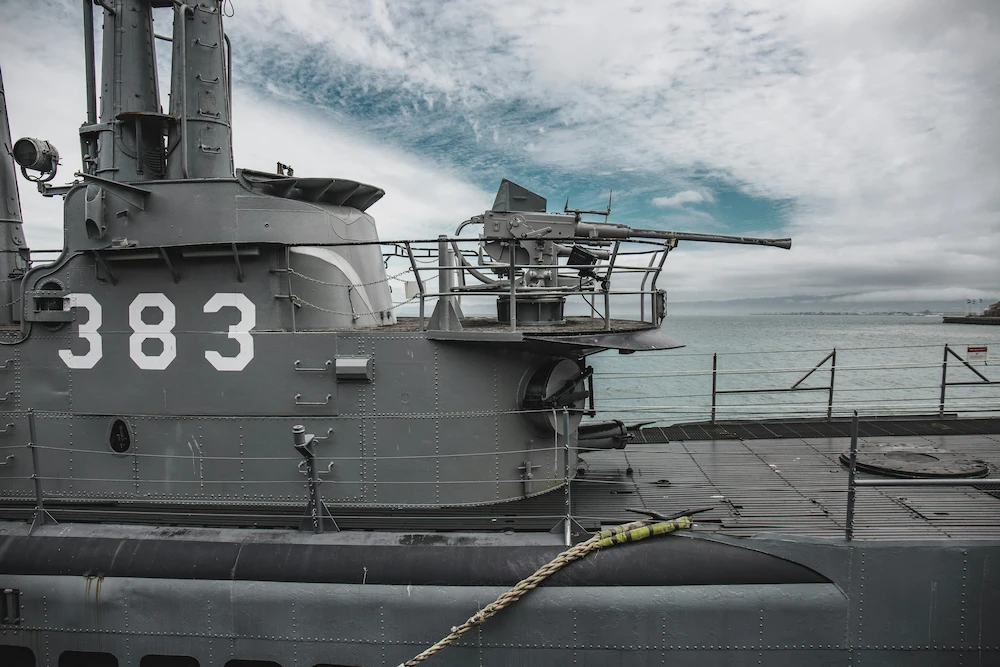
The top deck of a naval ship.

Supporting Australia's most complex operations with practical, outcome-driven consulting.

The Australian Defence Force (ADF) manages one of the country’s largest and most complex supply chains with billions invested annually in procurement, sustainment, and logistics. The performance of these systems is critical to operational readiness and national security.

At Trace Consultants, we bring deep expertise in defence supply chain strategy, government procurement, and public sector service delivery.

Government & Defence Consultants

Meet our government and defence experts:

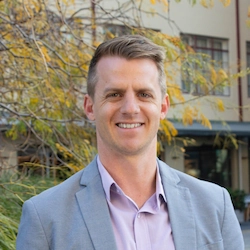
Smiling man in a light grey blazer and purple shirt stands outdoors, with trees and a building in the background.

Mathew Tolley

Trace Partner
Linked In icon

Mathew has had previous roles in the Department of the Prime Minister and Cabinet, including as Director in the Office of Supply Chain Resilience. Over 12 years of experience advising public and private sector organisations.

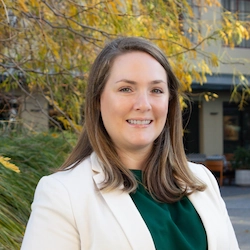
Woman with long hair smiling, wearing a white blazer and green top, standing outdoors with autumn foliage in the background.

Emma Woodberry

Senior Manager
Linked In icon

Emma is a former Logistics Officer in RAAF, with over 10 years of experience in supply chain specialist consulting across diverse public sector organisations.

A woman smiling in a stylish, patterned jacket, with short hair and sitting by a large window with greenery in the background.

Emma Hope

Senior Manager
Linked In icon

Emma has had previous logistics roles at Department of Defence and over 5 years experience in supply chain specialist consulting for a broad range or public and private sector clients.

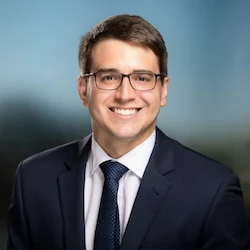
Professional portrait of a smiling man in a suit and tie, wearing glasses, with a blurred outdoor background.

David Carroll

Manager
Linked In icon

David Carroll is a Management Consultant with over eight years of experience supporting Federal Government clients.

Core service offerings

Strategic, operational, and technical support for government & defence:

From high-level strategy to hands-on implementation, Trace delivers targeted support across the full spectrum of supply chain, procurement, workforce, and system challenges.

Workforce Strategy & Service Chain Optimisation

We help government agencies and defence departments plan, roster, and deploy workforces that are efficient, resilient, and ready. Our work spans the full end-to-end service chain, from strategic workforce planning through to daily scheduling.

Key Services:

  • Workforce Strategy & Organisation Design
  • Procurement Strategy for Services
  • Skills Mix Analysis & Forecasting
  • Rostering Strategy & Scheduling Optimisation
  • Cost Efficiency Reviews
  • KPI Dashboards & Reporting
  • Workforce Process Improvement

Defence & Government Supply Chain Consulting

Our consultants bring real-world supply chain experience from base logistics to multi-tier procurement, combined with deep understanding of public sector governance and risk frameworks. We design and implement defence supply chain strategies that are future-ready and built for complexity.

Key Services:

  • Defence Supply Chain Strategy
  • Supply Chain Operating Model Design
  • Integrated Product Support (IPS)
  • Supply Chain Planning & Forecasting
  • Preparedness Modelling & Resilience Diagnostics
  • Process Improvement & Cost Reviews
  • Governance Frameworks & Reporting

System Selection & Implementation

We guide agencies through the full lifecycle of supply chain and workforce technology transformation. From requirements gathering to post-go-live support, we ensure tech investments are fit-for-purpose, people-friendly, and properly embedded.

Key Services:

  • Requirements Definition & Functional Scoping
  • Technology and Software Selection
  • Implementation Project Support
  • End-User Support & Adoption

Download our Capability Overview:

A concise, shareable overview of our approach to supply chain risk and resilience across government and commercial environments.

Thanks for your interest, your capability overview is ready to download below.

Download the Capability Overview (PDF)
*Please ensure you have filled out all required fields.
Futuristic digital network with glowing lines and transparent data panels representing supply chain risk and resilience.

How to engage us

Federal & State Government panels.

Trace is a listed provider on multiple Federal and State Government panels, making it simple for agencies to engage our services through established procurement pathways. Engage our services through:

Australian National Audit Office (ANAO)
Provision of Professional and Associated Services SON3921486

System Assurance Audits, Financial Statement Audits, Performance Audits, Labour Hire Contractor Recruitment services, and other additional services.

Australian Electoral Commission (AEC)
Provision of Transport, Logistics, and Related Services SON4025476

The provision of freight transport, logistics, and associated services, including the movement of electoral materials, furniture relocation, short-term storage, and technical advice.

Department of Finance – PD
Management Advisory Services (MAS Panel) SON3751667

Benchmarking, competition and market analysis, regulatory and policy analysis, business case development, cost-benefit analysis, supply and demand forecasting and more.

NSW Government
Performance and Management Services

Government and Business Strategy, Business Processes, Financial Services, Audit, Quality Assurance and Risk, Procurement and Supply Chain Services.

Digital Transformation Agency
Performance and Management Services

Strategy, Policy and Governance services, Business, Systems and Process analysis services, Solutions Implementation services

Our Experience

Proven track record with Federal and State Government clients:

Insights and resources

Latest insights on government & defence topics.

Project and Change Management

Why Supply Chain and Procurement Cost-Out Programs Fail (and What Actually Works)

Shanaka Jayasinghe
Shanaka Jayasinghe
January 2026
Supply chain and procurement cost-out programs often promise big savings but fail to deliver sustainably. This article explains why they fail, what works instead, and how organisations can achieve lasting cost reduction.

Why Supply Chain and Procurement Cost-Out Programs Fail (and What Actually Works)

Cost-out programs have become a familiar ritual across Australian organisations.

Rising operating costs, margin pressure, budget constraints, and heightened scrutiny from boards and governments regularly trigger initiatives aimed at reducing supply chain and procurement spend. These programs often start with strong intent, ambitious targets, and executive sponsorship.

Yet many fail to deliver lasting results.

Savings are identified but not realised. Service levels deteriorate. Operational teams become disengaged. Within 12–18 months, costs quietly creep back in — sometimes higher than before.

This article explores why supply chain and procurement cost-out programs so often fail, the structural issues that undermine them, and what Australian organisations can do differently to achieve sustainable, defensible cost reduction.

Why cost-out programs are harder than they look

On the surface, reducing supply chain and procurement costs seems straightforward. Organisations buy goods and services. Surely negotiating harder, consolidating suppliers, or cutting waste should deliver savings.

In practice, supply chain and procurement costs are deeply embedded in:

  • operating models
  • service expectations
  • workforce structures
  • asset footprints
  • governance arrangements
  • risk and compliance requirements

This makes cost reduction a design problem, not just a commercial one.

Cost-out programs fail when organisations treat them as transactional exercises rather than structural change initiatives.

Failure point 1: Focusing on price instead of total cost

One of the most common reasons cost-out programs fail is an over-reliance on price reduction.

Negotiating lower rates can deliver short-term wins, but price is only one component of total cost. Other drivers include:

  • scope creep
  • service variability
  • poor demand management
  • inefficient processes
  • reactive behaviours
  • lack of accountability

In many cases, price reductions are offset by:

  • increased volume
  • additional services
  • expediting and rework
  • contract variations
  • performance issues

When cost-out programs focus narrowly on price, savings often look good on paper but fail to materialise in reality.

Failure point 2: Poorly defined scopes of service

In procurement-led cost-out programs, scope definition is often the weakest link.

Vague or outdated scopes lead to:

  • inconsistent supplier pricing
  • difficulty comparing bids
  • disputes during delivery
  • hidden cost escalation post-award

Without clear, well-defined scopes of service, organisations struggle to:

  • hold suppliers accountable
  • manage performance effectively
  • control cost over time

Cost-out programs that do not address scope clarity rarely deliver sustainable savings.

Failure point 3: Ignoring how work actually gets done

Supply chain and procurement costs are shaped by day-to-day operational behaviours.

Cost-out programs often fail because they:

  • design solutions in isolation
  • ignore frontline realities
  • underestimate the complexity of execution

Examples include:

  • inventory targets set without understanding service requirements
  • transport changes that increase handling or labour effort
  • supplier changes that disrupt workflows
  • process changes that add administrative burden

When operational teams cannot execute the “new way of working”, they find ways to revert to old behaviours — and costs return.

Failure point 4: Treating cost reduction as a one-off event

Many organisations approach cost-out programs as discrete initiatives:

  • a procurement wave
  • a network review
  • a budget exercise

Once the program ends, attention moves elsewhere.

This creates two problems:

  1. Savings are not actively governed or tracked over time
  2. Old behaviours gradually re-emerge

Without ongoing governance, even well-designed cost-out programs lose momentum.

Sustainable cost reduction requires embedded discipline, not episodic effort.

Failure point 5: Lack of clear ownership and accountability

Another common failure point is unclear accountability.

Questions often go unanswered:

  • Who owns the savings?
  • Who is responsible for holding the line?
  • Who intervenes when costs start to creep back?

When accountability is diffuse across procurement, finance, and operations, savings fall through the cracks.

Cost-out programs succeed when:

  • ownership is explicit
  • performance is visible
  • consequences are clear

Failure point 6: Underestimating change and resistance

Cost-out programs change how people work.

They may:

  • remove flexibility
  • standardise processes
  • reduce supplier choice
  • increase discipline

Without deliberate change management, these changes are often perceived as “cost cutting at the expense of doing the job properly”.

This leads to:

  • passive resistance
  • workaround behaviour
  • disengagement
  • erosion of benefits

Ignoring the human side of cost reduction is one of the fastest ways to undermine it.

Failure point 7: Letting technology lead the solution

Technology is often positioned as the answer to cost pressure.

While systems can support better decisions, cost-out programs fail when organisations:

  • implement tools without fixing processes
  • automate inefficiency
  • rely on dashboards without action

Technology should enable cost discipline — not replace it.

What actually works: the characteristics of successful cost-out programs

Despite these challenges, some cost-out programs do deliver sustainable results. They tend to share several characteristics.

1. A fact-based understanding of where costs are created

Successful programs start with clarity.

This includes:

  • robust spend analysis
  • understanding cost-to-serve
  • identifying demand drivers
  • mapping process inefficiencies

Assumptions are replaced with evidence, allowing organisations to target the right levers.

2. Designing better ways of working (not just cheaper ones)

Sustainable savings come from:

  • better scope design
  • improved demand management
  • streamlined processes
  • smarter operating models

This may involve:

  • consolidating activity
  • standardising where appropriate
  • redesigning workflows
  • clarifying decision rights

When the system is improved, costs fall naturally.

3. Explicit trade-off decisions

Good cost-out programs make trade-offs visible.

They force honest conversations about:

  • service levels versus cost
  • flexibility versus efficiency
  • resilience versus optimisation

Rather than hiding trade-offs, successful programs manage them deliberately.

4. Integration across supply chain, procurement, and operations

Cost-out programs fail when functions act in isolation.

Successful programs align:

  • procurement strategies
  • supply chain design
  • operational execution
  • financial controls

This end-to-end alignment prevents savings in one area creating costs in another.

5. Governance that holds over time

Sustainable cost reduction requires:

  • clear ownership of savings
  • regular performance tracking
  • intervention when variance appears
  • leadership attention beyond the initial program

Cost discipline must become part of BAU governance.

6. Capability uplift, not dependency

The most effective programs leave organisations stronger.

This includes:

  • better decision frameworks
  • clearer processes
  • improved data visibility
  • confident internal capability

Without capability uplift, savings erode once external support exits.

Why Australian context matters in cost-out programs

Australia’s operating environment amplifies many of these challenges.

Factors such as:

  • long freight distances
  • labour availability and awards
  • regional dispersion
  • regulatory oversight
  • service-critical environments (health, government, aged care)

mean that cost-out programs designed elsewhere often fail locally.

Solutions must reflect Australian realities to succeed.

How Trace Consultants approaches cost-out programs differently

Trace Consultants is an Australian supply chain and procurement consulting firm that supports organisations to reduce costs without compromising service, safety, or long-term performance.

Trace’s approach is grounded in the belief that sustainable cost reduction comes from better design, better governance, and better decision-making — not blunt cuts.

Where Trace supports cost-out initiatives

Supply chain cost-out

  • warehouse and network strategy
  • capacity and utilisation improvement
  • inventory and working capital optimisation
  • transport and logistics efficiency
  • planning and decision discipline

Procurement cost-out

  • spend analysis and opportunity identification
  • scope and specification optimisation
  • category strategy development
  • sourcing and commercial strategy
  • supplier performance management

Operating model and governance

  • role clarity and decision rights
  • procurement–operations–finance alignment
  • performance reporting and controls
  • sustainable governance frameworks

What differentiates Trace’s cost-out work

Specialist focus
Trace works exclusively across supply chain, procurement, logistics, and workforce-enabled operating models.

Senior-led delivery
Engagements are led by experienced practitioners who understand how cost decisions play out operationally.

Australian pragmatism
Solutions reflect local labour markets, service expectations, and regulatory environments.

Independence
Advice is vendor-neutral and technology-agnostic.

Sustainability
The focus is on savings that hold — not targets that look good once.

Signs your cost-out program may be at risk

Organisations often recognise problems too late. Warning signs include:

  • savings identified but not realised
  • operational pushback increasing
  • service metrics deteriorating
  • unclear ownership of outcomes
  • growing reliance on workarounds
  • cost creep returning within months

Addressing these early dramatically improves success.

Final thoughts

Supply chain and procurement cost-out programs fail not because cost reduction is impossible, but because it is often approached too narrowly.

Sustainable cost reduction requires:

  • understanding how costs are created
  • redesigning operating models
  • aligning procurement and operations
  • managing trade-offs explicitly
  • embedding governance and capability

For Australian organisations under sustained cost pressure, getting this right is no longer optional.

With the right approach — and the right specialist support — cost-out programs can deliver real, lasting value rather than short-term relief.

Procurement

Who Helps Australian Organisations Reduce Supply Chain and Procurement Costs?

David Carroll
David Carroll
January 2026
Cost pressure is pushing Australian organisations to rethink supply chain and procurement. This article explains who can help reduce costs, what approaches actually work, and how to avoid short-term fixes that don’t stick.

Who Helps Australian Organisations Reduce Supply Chain and Procurement Costs?

Cost pressure is no longer cyclical for Australian organisations — it is structural.

Rising labour costs, volatile freight markets, supplier consolidation, regulatory requirements, and ongoing disruption have pushed supply chain and procurement costs into the executive spotlight. For many organisations, these costs now represent one of the largest controllable components of the operating budget.

Yet despite repeated cost-out initiatives, many organisations struggle to achieve sustainable reductions in supply chain and procurement spend. Savings are often short-lived, service levels suffer, or costs simply reappear elsewhere in the business.

This raises a fundamental question: who actually helps Australian organisations reduce supply chain and procurement costs — and what does “good” support look like?

This article explores where costs typically sit, why traditional cost-cutting approaches fail, who can help, and how Trace Consultants supports organisations to reduce costs without compromising service, resilience, or long-term capability.

Why supply chain and procurement costs are under pressure in Australia

Australia’s operating environment creates unique cost challenges that are often underestimated.

Organisations are contending with:

  • Tight labour markets and rising wage pressure
  • Long transport distances and variable freight capacity
  • Increasing reliance on third-party service providers
  • Greater compliance, safety, and sustainability obligations
  • Demand volatility across retail, health, government, and services
  • Fragmented operating models across sites, regions, and business units

As a result, supply chain and procurement costs tend to grow incrementally over time — often without clear visibility or ownership.

Cost reduction is rarely about a single lever. It requires an end-to-end view of how goods and services are specified, sourced, planned, delivered, and managed.

Where supply chain and procurement costs really sit

Before asking who can help, it’s important to understand where costs actually hide.

In most Australian organisations, the largest opportunities sit across:

Procurement

  • Fragmented spend across suppliers and contracts
  • Poorly defined scopes of service
  • Legacy pricing structures and indexation
  • Weak contract and supplier performance management
  • Over-reliance on incumbent suppliers

Supply chain and logistics

  • Sub-optimal warehouse and transport networks
  • Inefficient use of space, labour, and equipment
  • Poor alignment between demand, inventory, and service targets
  • Excess inventory driven by planning uncertainty
  • Reactive freight and expediting costs

Operating model and governance

  • Unclear decision rights between procurement, operations, and finance
  • Inconsistent processes across sites
  • Limited cost transparency and performance reporting
  • Tactical decision-making overriding strategic intent

Reducing costs sustainably requires addressing how the system operates, not just negotiating harder.

Why traditional cost-cutting approaches often fail

Many organisations have tried to reduce supply chain and procurement costs before — with mixed results.

Common approaches include:

  • Across-the-board budget cuts
  • Short-term supplier price negotiations
  • Headcount reductions
  • One-off tenders without structural change
  • Technology investments without process redesign

These approaches often fail because they:

  • Focus on symptoms, not root causes
  • Shift costs rather than remove them
  • Undermine service and resilience
  • Create savings that erode within 12–18 months
  • Disengage suppliers and internal teams

Sustainable cost reduction requires designing better ways of working, not just reducing spend lines.

So, who actually helps reduce supply chain and procurement costs?

In practice, there are four broad groups organisations turn to — each with different strengths and limitations.

1. Internal teams

Many cost reduction initiatives start internally — and rightly so.

Internal teams bring:

  • Deep organisational knowledge
  • Existing relationships with suppliers
  • Understanding of operational realities

However, internal teams are often constrained by:

  • Limited capacity alongside BAU responsibilities
  • Legacy processes and behaviours
  • Difficulty challenging long-standing arrangements
  • Lack of specialist tools or benchmarking

Internal teams are essential — but on their own, they may struggle to deliver step-change improvements.

2. Technology vendors

Technology providers often position their platforms as a solution to cost challenges.

Technology can help by:

  • Improving data visibility
  • Automating manual processes
  • Enabling better planning and reporting

However, technology alone rarely delivers cost reduction.

Without:

  • clear process design
  • strong governance
  • disciplined decision-making
  • capable users

… systems tend to reinforce existing inefficiencies rather than remove them.

3. Generalist consulting firms

Large consulting firms can support cost reduction programs, particularly where they span multiple functions.

They often bring:

  • Structured methodologies
  • Program governance capability
  • Broad transformation experience

However, in supply chain and procurement, generalist approaches can struggle to:

  • address industry-specific complexity
  • reflect Australian operating realities
  • translate strategy into day-to-day execution

4. Specialist supply chain and procurement consultants

Specialist consultants focus explicitly on how goods and services flow, how spend is managed, and how decisions are made.

They are typically best placed to:

  • diagnose root causes of cost leakage
  • design practical, implementable solutions
  • balance cost, service, and risk
  • support execution, not just strategy

This is where organisations often see the most durable results.

What effective cost reduction support actually looks like

Regardless of who provides the support, effective supply chain and procurement cost reduction has several consistent characteristics.

1. A fact-based diagnostic

Costs must be understood before they can be reduced.

This includes:

  • spend analysis and categorisation
  • cost-to-serve analysis
  • network and capacity assessment
  • process and operating model review

Assumptions are replaced with evidence.

2. A focus on design, not just negotiation

Sustainable savings come from:

  • better scopes of service
  • improved demand management
  • smarter network and inventory decisions
  • clearer governance and accountability

Price reductions alone are rarely enough.

3. Trade-offs are made explicit

Good advisors help organisations balance:

  • cost vs service
  • efficiency vs resilience
  • standardisation vs flexibility

Hidden trade-offs are often the reason savings fail to stick.

4. Implementation is built in

Cost reduction programs that stop at recommendations rarely succeed.

Effective support includes:

  • implementation roadmaps
  • sequencing and dependency management
  • change and stakeholder engagement
  • capability uplift

How Trace Consultants helps organisations reduce supply chain and procurement costs

Trace Consultants is an Australian supply chain and procurement consulting firm that specialises in helping organisations reduce costs without undermining service, safety, or long-term performance.

Trace’s approach recognises that cost reduction is most effective when procurement, logistics, workforce, and operating models are addressed together — not in isolation.

Where Trace typically supports cost reduction initiatives

Supply chain cost reduction

Trace supports organisations to:

  • redesign warehouse and transport networks
  • improve utilisation of space, labour, and assets
  • reduce expediting and reactive freight
  • align inventory targets with service requirements
  • improve planning and decision-making discipline

Procurement cost reduction

Trace supports:

  • spend analysis and opportunity identification
  • category strategy development
  • scope and specification optimisation
  • go-to-market strategy and sourcing support
  • contract and commercial structure improvement
  • supplier performance management

Operating model and governance

Trace helps organisations:

  • clarify decision rights and accountability
  • align procurement, operations, and finance
  • design sustainable governance frameworks
  • embed cost visibility and performance reporting

What differentiates Trace’s approach to cost reduction

Specialist focus
Trace works exclusively in supply chain, procurement, logistics, and workforce-enabled operating models.

Senior-led delivery
Clients work with experienced practitioners who understand both strategic intent and operational execution.

Australian context
Recommendations reflect local labour markets, freight economics, regulatory environments, and service expectations.

Independence
Trace is technology-agnostic and vendor-neutral, ensuring advice is driven by outcomes, not products.

Sustainability of savings
The emphasis is on changes that hold over time — not one-off cuts that reappear elsewhere.

What cost reduction success actually looks like

Successful supply chain and procurement cost reduction programs typically result in:

  • clearer cost visibility and control
  • reduced total cost to serve
  • more predictable service performance
  • stronger supplier accountability
  • improved decision-making discipline
  • internal capability uplift

Importantly, success is measured not just by savings identified — but by savings realised and sustained.

When should organisations seek external support?

Organisations typically benefit most from external support when:

  • cost growth has outpaced activity or revenue
  • prior cost-out initiatives have stalled or reversed
  • decisions are required quickly but data is unclear
  • the organisation lacks specialist supply chain or procurement capability
  • structural change is required across multiple functions

Engaging support early often reduces disruption and increases the quality of decisions.

Final thoughts

Reducing supply chain and procurement costs is one of the most powerful levers available to Australian organisations — but only when approached thoughtfully.

Short-term cuts and transactional fixes rarely deliver lasting value. Sustainable cost reduction requires:

  • understanding how costs are created
  • redesigning processes and operating models
  • aligning stakeholders around clear trade-offs
  • embedding governance and capability

For organisations seeking pragmatic, specialist support to reduce supply chain and procurement costs in Australia, Trace Consultants brings deep expertise, local understanding, and a focus on outcomes that endure.

Procurement

What Does a Procurement Consultant Actually Do?

Shanaka Jayasinghe
Shanaka Jayasinghe
January 2026
Procurement consultants are often engaged to reduce costs — but their role is broader and more strategic than many organisations realise. This article explains what procurement consultants actually do, when to engage them, and how to get real value.

What Does a Procurement Consultant Actually Do?

Procurement is often misunderstood.

In many organisations, procurement is still seen as a transactional function — raising purchase orders, managing contracts, or running tenders when required. Yet as cost pressure, risk, compliance obligations, and supply disruption increase, procurement has become a strategic lever that directly influences financial performance, service reliability, and organisational resilience.

This shift has driven growing demand for procurement consultants. But a common question remains: what does a procurement consultant actually do?

This article explains the role of a procurement consultant in practical terms, outlines when organisations typically engage procurement support, clarifies common misconceptions, and describes how Trace Consultants helps Australian organisations improve procurement outcomes in a sustainable way.

Why procurement has become more complex in Australia

Procurement in Australia now operates in a far more demanding environment than it did even five years ago. Organisations are facing:

  • Sustained cost pressure across goods and services
  • Tight labour markets affecting supplier capacity and pricing
  • Heightened regulatory and compliance requirements
  • Increased focus on ESG, modern slavery, and ethical sourcing
  • More complex service-based procurement categories
  • Fragmented spend across decentralised operating models
  • Greater scrutiny from boards, executives, and government

As a result, many organisations find that their existing procurement capability — often designed for a simpler environment — is no longer sufficient.

This is where procurement consultants are typically engaged.

At a high level: the role of a procurement consultant

At its core, a procurement consultant helps organisations improve how they source, contract, manage, and govern spend.

However, good procurement consulting goes well beyond running tenders or negotiating rates. It typically spans five broad areas:

  1. Understanding how money is actually being spent
  2. Identifying opportunities to improve value, not just price
  3. Designing better procurement strategies and operating models
  4. Supporting go-to-market and supplier engagement processes
  5. Embedding sustainable governance and capability

The emphasis should always be on outcomes — not activity.

What procurement consultants actually do (in practice)

1. Spend analysis and opportunity identification

One of the first things a procurement consultant will do is help organisations understand their spend.

In many Australian organisations, spend data is:

  • fragmented across systems
  • poorly categorised
  • inconsistent between finance and procurement
  • difficult to analyse at a category or supplier level

Procurement consultants bring structure and discipline to this process by:

  • cleansing and consolidating spend data
  • classifying spend into meaningful categories
  • identifying concentration, fragmentation, and leakage
  • highlighting categories with the greatest improvement potential

This forms the foundation for informed decision-making.

2. Category strategy development

Once opportunities are understood, procurement consultants help develop category strategies.

A category strategy defines:

  • what is being bought
  • why it is being bought
  • how it should be sourced
  • how suppliers should be managed
  • how success will be measured

Rather than treating procurement as a series of disconnected tenders, category strategies allow organisations to:

  • align sourcing decisions with business objectives
  • balance cost, risk, service, and sustainability
  • sequence initiatives based on impact and feasibility

This is particularly important in complex indirect categories such as facilities management, labour hire, professional services, logistics, and IT services.

3. Go-to-market and sourcing execution

Procurement consultants are often engaged to support or lead sourcing events — but effective consultants approach this strategically, not mechanically.

This includes:

  • defining the right sourcing approach (tender, negotiation, panel, direct award)
  • developing fit-for-purpose scopes of work
  • ensuring evaluation criteria align with outcomes
  • managing supplier engagement professionally and transparently
  • supporting commercial negotiations

In the Australian context, this often requires careful consideration of probity, market capacity, and long-term supplier relationships — not just short-term price reductions.

4. Contracting and commercial structures

Another key role of procurement consultants is improving contracting outcomes.

This may involve:

  • simplifying overly complex contracts
  • clarifying service levels and responsibilities
  • improving pricing mechanisms and indexation
  • strengthening performance management provisions
  • reducing risk exposure

Poorly structured contracts are a common source of cost creep, disputes, and service failure. Procurement consultants help ensure contracts support the operating model — rather than undermine it.

5. Supplier performance and relationship management

Procurement does not end when a contract is signed.

Procurement consultants often help organisations:

  • design supplier performance frameworks
  • define meaningful KPIs and reporting
  • establish governance forums
  • manage underperformance constructively
  • identify opportunities for continuous improvement

This is especially important in long-term service categories, where value is realised over time rather than at contract award.

6. Procurement operating model and governance design

In many organisations, procurement challenges are not about capability — they are about structure.

Procurement consultants support operating model design by addressing questions such as:

  • What decisions should be centralised versus decentralised?
  • How should procurement partner with the business?
  • What level of category management capability is required?
  • How should risk, compliance, and probity be managed?
  • What roles and skills are needed?

Getting this right is critical for sustainability. Without appropriate governance, early savings often erode over time.

7. Capability uplift and change support

The most effective procurement consultants focus on leaving organisations stronger than they found them.

This includes:

  • coaching internal teams
  • developing practical tools and templates
  • clarifying roles and decision rights
  • supporting change management and stakeholder engagement

Procurement transformation is as much about people and behaviours as it is about process.

What procurement consultants do not do (or shouldn’t)

Understanding what good procurement consultants don’t do is just as important.

They should not:

  • act solely as tender administrators
  • push pre-determined solutions or vendors
  • focus only on price at the expense of risk and service
  • produce strategies without a path to implementation
  • leave organisations dependent on external support

If procurement advice does not translate into better day-to-day decision-making, it has limited value.

When should an organisation engage a procurement consultant?

Australian organisations typically engage procurement consultants when:

  • Cost pressure requires structured, defensible cost reduction
  • Spend has grown faster than revenue or activity
  • Procurement capability has not kept pace with complexity
  • Major sourcing events are approaching
  • Supplier performance issues are emerging
  • Governance or compliance risk has increased
  • A transformation or restructure is underway

The best time to engage is before problems become critical — not after value has already leaked.

Common misconceptions about procurement consultants

“They’re just here to cut costs”

Cost reduction is often an outcome — but good procurement consultants focus on value, not just price.

“Procurement consultants slow things down”

When done well, structured procurement actually accelerates decisions by providing clarity and confidence.

“We already have procurement — we don’t need help”

Internal teams are often too close to the organisation to challenge entrenched behaviours or legacy arrangements. External perspective adds objectivity.

“Technology will fix procurement”

Systems help, but without good processes, governance, and capability, technology rarely delivers its promised benefits.

Industry context matters in procurement

Procurement is not one-size-fits-all.

For example:

  • Healthcare and aged care procurement must balance cost, safety, compliance, and continuity of care.
  • Government procurement operates under strict probity, transparency, and value-for-money requirements.
  • Retail and FMCG procurement must respond to margin pressure, demand volatility, and supplier concentration.
  • Infrastructure and asset-intensive sectors require long-term, risk-balanced contracting models.
  • Hospitality, venues, and precincts face highly variable demand and service-critical categories.

A procurement consultant who understands your industry will design better strategies and avoid unintended consequences.

How Trace Consultants can help

Trace Consultants is an Australian supply chain and procurement consulting firm that works with government and commercial organisations to improve procurement outcomes in a practical, sustainable way.

Trace’s procurement work is grounded in the belief that procurement should enable better business decisions, not just enforce process.

Where Trace typically supports organisations

Trace Consultants supports procurement initiatives across:

  • Spend analysis and opportunity identification
  • Category strategy development
  • Indirect and direct procurement reviews
  • Go-to-market strategy and sourcing execution
  • Contracting and commercial optimisation
  • Supplier performance management
  • Procurement operating model and governance design
  • Capability uplift and change support

This work is often integrated with broader supply chain, logistics, and workforce initiatives to ensure alignment across the end-to-end operating model.

What differentiates Trace’s approach

Specialist focus
Trace focuses exclusively on supply chain, procurement, logistics, and workforce-enabled operating models — not general management consulting.

Senior-led delivery
Clients work with experienced practitioners who understand both strategy and execution.

Australian context
Advice is grounded in local market conditions, regulatory environments, and operational realities.

Independence
Trace is technology-agnostic and vendor-neutral, ensuring advice is objective and outcome-focused.

Implementation-oriented
Recommendations are designed to be practical, achievable, and sustainable — not theoretical.

What good procurement consulting outcomes look like

A successful procurement consulting engagement should result in:

  • clearer visibility of spend and risk
  • better-aligned sourcing and category strategies
  • improved supplier performance and accountability
  • stronger governance and decision-making
  • internal capability uplift
  • sustainable cost and value improvements

If these outcomes are not clearly articulated at the outset, expectations are unlikely to be met.

Final thoughts

Procurement consultants play a critical role in helping organisations navigate complexity, pressure-test assumptions, and improve how money is spent.

However, the real value of procurement consulting lies not in tenders or tools, but in better decisions, stronger governance, and sustainable outcomes.

For Australian organisations seeking pragmatic, specialist procurement support — grounded in real-world operating conditions — Trace Consultants brings deep expertise, independence, and a focus on turning insight into action.

Start a conversation

Engage a trusted panel partner with real delivery experience.

Trace works with government and defence agencies to deliver high-impact projects across supply chain, workforce, and systems.

Our team brings the operational expertise to turn complex challenges into practical, measurable results.

Two men and one woman wearing suits standing outside a building.