Form Submitted

Thanks for your enquiry, we'll be in touch soon.

We appreciate you taking the time to get in touch. Your message has been received and will be reviewed by a member of the Trace team within 1–2 business days.

While you wait, see what we're all about. Learn more about how Trace works, what sets us apart, and the kinds of problems we help clients solve.

Latest news & Insights

Explore insights from
the Trace team.

Explore our insights to see how we approach real-world complexity with clarity, structure, and measurable outcomes.

Sustainability

How Sustainability Benchmarking Improves Supply Chain Performance and Environmental Impact

Learn how sustainability benchmarking enables businesses to measure and reduce their environmental impact, optimise supply chain efficiency, and stay ahead of regulatory and market demands.

Sustainability has emerged as a critical focus for businesses worldwide, driven by increasing consumer awareness, tightening environmental regulations, and corporate responsibility goals. For many organisations, the supply chain represents a significant part of their environmental footprint, as it includes everything from raw material sourcing and manufacturing to transportation and distribution. Sustainability benchmarking provides a powerful way for businesses to assess their environmental impact, identify areas for improvement, and align their supply chain practices with sustainability goals.

By tracking sustainability metrics—such as carbon emissions, energy consumption, waste reduction, and resource efficiency—sustainability benchmarking allows organisations to compare their performance against industry standards and best practices. This process not only helps businesses reduce their environmental impact but also enhances operational efficiency, reduces costs, and improves brand reputation.

In this article, we will explore the key components of sustainability benchmarking, the benefits it offers, and how organisations can leverage benchmarking to improve their supply chain’s sustainability and overall performance.

The Importance of Sustainability in Supply Chains

Sustainability is no longer a "nice-to-have" aspect of business operations—it has become an essential factor in ensuring long-term success. Supply chains, with their global reach and complex operations, often contribute to a company’s largest environmental impacts. Adopting sustainable supply chain practices can provide significant advantages, such as:

  1. Compliance with Environmental Regulations
    Governments and regulatory bodies are implementing increasingly stringent environmental standards, including carbon emissions limits, waste management protocols, and sustainability reporting requirements. Sustainability benchmarking ensures that companies comply with these regulations and avoid fines or penalties.
  2. Meeting Consumer Expectations
    Today’s consumers are more environmentally conscious, favouring products and brands that prioritise sustainability. Sustainability benchmarking helps organisations demonstrate their commitment to reducing their environmental footprint, attracting eco-conscious consumers, and strengthening brand loyalty.
  3. Cost Reduction
    Sustainable supply chain practices often lead to reduced costs. Optimising energy use, improving waste management, and using sustainable raw materials can cut operating expenses while minimising environmental harm.
  4. Risk Mitigation
    Environmental risks—such as resource scarcity, climate change, and supply chain disruptions—can have a significant impact on business operations. By benchmarking sustainability performance, organisations can identify and mitigate risks related to their environmental footprint.
  5. Long-Term Value Creation
    Incorporating sustainability into supply chain practices not only enhances operational efficiency but also drives long-term value. Sustainability initiatives can open up new markets, foster innovation, and position businesses as leaders in their industries.

Key Components of Sustainability Benchmarking

Sustainability benchmarking involves measuring and evaluating an organisation’s environmental performance across various aspects of the supply chain. Here are some of the key components that should be included in sustainability benchmarking efforts:

  1. Carbon Footprint and Greenhouse Gas (GHG) Emissions
    Carbon emissions are one of the most widely tracked sustainability metrics. Sustainability benchmarking helps organisations measure their carbon footprint at every stage of the supply chain—from raw material sourcing to transportation and distribution. Reducing carbon emissions not only helps businesses meet regulatory requirements but also contributes to mitigating climate change.
  2. Energy Consumption
    Energy use is another critical aspect of sustainability. Benchmarking energy consumption across supply chain operations, including manufacturing, warehousing, and transportation, allows businesses to identify inefficiencies and transition to renewable energy sources. Reducing energy consumption leads to cost savings and supports environmental goals.
  3. Water Usage
    Water is a finite resource, and efficient water usage is a priority for many organisations, particularly in manufacturing and agriculture. Sustainability benchmarking includes tracking water usage and identifying ways to reduce water consumption, recycle water, or improve water management practices.
  4. Waste Reduction and Management
    Reducing waste is a key sustainability goal for many organisations. Benchmarking waste management practices involves measuring the amount of waste generated, tracking how much is recycled or repurposed, and setting targets for reducing landfill contributions. Circular economy principles, such as reusing materials and designing products for durability, are also critical in waste management.
  5. Sustainable Sourcing
    The environmental impact of raw materials and components used in production is a significant part of a company’s sustainability performance. Benchmarking sustainable sourcing involves evaluating suppliers’ sustainability practices and ensuring that raw materials are sourced responsibly, such as through fair trade or forest stewardship certifications.
  6. Logistics and Transportation Efficiency
    Transportation is often a major contributor to carbon emissions in supply chains. Benchmarking logistics efficiency includes measuring transportation-related emissions, optimising delivery routes, and transitioning to low-emission or electric vehicles. Intermodal transport, which combines different modes of transportation (e.g., road, rail, sea), can also reduce emissions.
  7. Packaging and Material Use
    Packaging plays an important role in sustainability, as excessive or non-recyclable packaging contributes to waste. Sustainability benchmarking includes tracking the environmental impact of packaging materials and identifying opportunities to reduce, reuse, or recycle packaging.

Challenges in Sustainability Benchmarking

Although sustainability benchmarking offers many benefits, it also presents several challenges for organisations:

  1. Data Collection and Transparency
    Collecting accurate and comprehensive data on sustainability metrics can be difficult, especially when supply chain operations span multiple regions and involve various suppliers. Many businesses struggle to track data from third-party suppliers or lack visibility into upstream and downstream supply chain processes.
  2. Defining Relevant Benchmarks
    Finding relevant benchmarks that reflect the unique characteristics of a company’s supply chain can be challenging. Industries and regions often have different sustainability standards, making it difficult to find comparable data for benchmarking.
  3. Balancing Cost and Sustainability
    Implementing sustainability initiatives may require upfront investments in new technologies, processes, or materials. Some businesses may find it challenging to justify these costs, particularly when short-term financial returns are not immediately visible.
  4. Supplier Engagement
    Many businesses rely on a network of suppliers, and ensuring that suppliers align with the company’s sustainability goals can be complex. Suppliers may face their own sustainability challenges or may not have the resources to implement sustainable practices.
  5. Regulatory Complexity
    Sustainability regulations and reporting requirements vary by region and industry, making it difficult for businesses to keep up with changing regulations. Failure to comply with environmental laws can result in penalties or damage to the company’s reputation.

Best Practices for Effective Sustainability Benchmarking

To overcome these challenges and ensure successful sustainability benchmarking, organisations should adopt the following best practices:

  1. Set Clear Sustainability Goals
    Before embarking on sustainability benchmarking, businesses should define clear sustainability objectives, such as reducing carbon emissions by a specific percentage or transitioning to 100% renewable energy. These goals will guide benchmarking efforts and help prioritise areas for improvement.
  2. Leverage Technology for Data Collection
    Using technology, such as supply chain management systems or sustainability tracking tools, helps businesses collect accurate data across their operations. Automated data collection can streamline the process and ensure that sustainability metrics are tracked in real-time.
  3. Engage with Suppliers
    Collaborating with suppliers is essential for successful sustainability benchmarking. Businesses should engage with their suppliers to share sustainability goals, track performance, and offer support in implementing sustainable practices. Establishing sustainability criteria for supplier selection can also help ensure alignment.
  4. Use Industry Standards and Certifications
    Benchmarking against recognised sustainability standards, such as ISO 14001 (Environmental Management) or B Corp certification, helps businesses compare their performance to established best practices. These certifications also enhance credibility with customers, investors, and regulators.
  5. Incorporate Circular Economy Principles
    To reduce waste and resource consumption, businesses should adopt circular economy principles, such as designing products for durability, reusing materials, and recycling at the end of a product’s lifecycle. Benchmarking progress in implementing circular practices helps businesses measure sustainability success.
  6. Report on Sustainability Progress
    Regularly reporting on sustainability progress increases transparency and accountability. Businesses should share benchmarking results with stakeholders, such as investors, customers, and employees, and highlight improvements made toward sustainability goals.

The Role of Supply Chain Consultants in Sustainability Benchmarking

Supply chain consultants bring expertise in sustainability benchmarking and supply chain optimisation. They help organisations overcome challenges, implement sustainability initiatives, and align their supply chain operations with environmental goals. Here’s how consultants support sustainability benchmarking efforts:

  • Data Collection and Analysis: Consultants assist businesses in gathering accurate sustainability data from across their supply chain, including from suppliers, manufacturers, and logistics providers. They analyse this data to identify areas for improvement and develop actionable insights.
  • Industry Benchmarking: Consultants have access to industry-specific sustainability benchmarks and best practices, enabling businesses to compare their performance with peers and top performers in their sector.
  • Supplier Engagement: Supply chain consultants facilitate collaboration between businesses and their suppliers to ensure alignment on sustainability goals. They help develop sustainability criteria for supplier selection and track supplier performance on key environmental metrics.
  • Sustainability Strategy Development: Consultants work with organisations to develop customised sustainability strategies that focus on reducing environmental impact, improving operational efficiency, and achieving regulatory compliance.
  • Technology Implementation: Consultants help implement the right technologies, such as carbon tracking tools, energy management systems, and sustainable sourcing platforms, to enable effective sustainability benchmarking and progress monitoring.

How Trace Consultants Can Help with Sustainability Benchmarking

At Trace Consultants, we specialise in helping organisations improve the sustainability of their supply chain operations through comprehensive benchmarking services. Our team of experts works closely with clients to assess their current sustainability performance, identify areas for improvement, and implement strategies that reduce environmental impact while enhancing efficiency.

We offer a full suite of sustainability benchmarking services, including:

  • Data Collection and Sustainability Audits: We help businesses collect and analyse data on carbon emissions, energy use, waste management, and other key sustainability metrics. Our sustainability audits provide a clear picture of your supply chain’s environmental impact.
  • Industry-Specific Benchmarking: Trace Consultants provides access to relevant industry benchmarks and best practices, ensuring that your business measures its performance against the top players in your field.
  • Sustainability Strategy Implementation: We work with your team to develop and implement tailored sustainability strategies that align with your goals and drive long-term value for your business.
  • Supplier Engagement: Our consultants help you collaborate with your suppliers to set sustainability goals, track progress, and build long-term partnerships that contribute to a greener supply chain.

By partnering with Trace Consultants, your organisation can take meaningful steps toward sustainability while maintaining cost efficiency and improving supply chain performance. Let us help you achieve your sustainability goals and make a positive impact on both the environment and your bottom line.

Sustainability

How Supply Chain Benchmarking Drives Efficiency and Competitiveness for Organisations

September 2024
Supply chain benchmarking helps organisations measure their performance against industry standards, identify areas for improvement, and optimise efficiency to stay competitive.

In today’s globalised economy, supply chains are becoming increasingly complex, with businesses striving to optimise efficiency, reduce costs, and deliver value to customers. Supply chain benchmarking is a critical tool that helps organisations understand how their supply chain processes compare to industry best practices. By benchmarking key performance indicators (KPIs) against peers and industry standards, companies can identify performance gaps, set realistic goals, and implement strategies to improve overall supply chain performance.

Supply chain benchmarking involves evaluating metrics such as lead times, inventory turnover, order accuracy, and transportation costs. The insights gained from benchmarking not only help businesses become more efficient and cost-effective but also ensure that they remain competitive in a rapidly changing marketplace.

In this article, we’ll explore the key elements of supply chain benchmarking, its benefits, and how organisations can leverage it to optimise their operations and drive success.

The Importance of Supply Chain Benchmarking

Supply chain benchmarking is essential for organisations that want to continuously improve their operations and stay competitive in their industries. It provides a clear understanding of how well a company’s supply chain performs relative to others in the same sector and uncovers opportunities for improvement.

Here are some of the key reasons why supply chain benchmarking is so important:

  1. Identifying Performance Gaps
    Benchmarking allows businesses to compare their supply chain processes with those of industry leaders. By identifying performance gaps, organisations can pinpoint areas that need improvement, such as inventory management, transport costs, or order fulfillment speed.
  2. Improving Operational Efficiency
    Through benchmarking, organisations can adopt best practices from top-performing supply chains, leading to improved efficiency. Whether it's optimising warehouse operations, reducing lead times, or streamlining transportation, benchmarking helps companies operate more effectively.
  3. Reducing Costs
    Benchmarking uncovers inefficiencies in the supply chain that may be driving up costs. For example, businesses may identify opportunities to reduce inventory holding costs, optimise transport routes, or renegotiate supplier contracts to lower expenses.
  4. Enhancing Customer Satisfaction
    An efficient and well-optimised supply chain leads to better service levels, faster deliveries, and more accurate order fulfillment. Benchmarking ensures that businesses are meeting or exceeding customer expectations by adopting industry best practices.
  5. Staying Competitive
    In a rapidly changing market, it’s essential to remain competitive by continuously improving supply chain performance. Benchmarking ensures that organisations stay aligned with industry standards and can adapt to new challenges, such as shifting customer demands or regulatory changes.
  6. Setting Realistic Goals
    Benchmarking provides data-driven insights that help businesses set realistic and achievable goals for supply chain improvement. Rather than relying on guesswork, companies can make informed decisions based on how they measure up to their competitors and industry benchmarks.

Key Components of Supply Chain Benchmarking

To conduct effective supply chain benchmarking, businesses need to measure performance across a range of key areas. Some of the most important components of benchmarking include:

  1. Lead Times
    Lead time refers to the time it takes for products to move through the supply chain, from procurement to delivery. Benchmarking lead times helps organisations identify inefficiencies and bottlenecks that slow down operations. Reducing lead times can improve agility and responsiveness to customer demands.
  2. Inventory Turnover
    Inventory turnover is a measure of how quickly inventory is sold and replaced. Benchmarking inventory turnover rates helps businesses assess how effectively they are managing stock levels. High turnover indicates efficient inventory management, while low turnover may point to overstocking or poor demand forecasting.
  3. Order Accuracy
    Order accuracy refers to the percentage of orders that are delivered correctly and on time. Benchmarking order accuracy helps businesses understand how well they are meeting customer expectations and identify areas for improvement in picking, packing, and shipping processes.
  4. Transport Costs and Efficiency
    Transportation costs often represent a significant portion of supply chain expenses. Benchmarking transport costs and efficiency allows businesses to compare their logistics operations to industry standards, highlighting opportunities for cost reduction and route optimisation.
  5. Supplier Performance
    Suppliers play a crucial role in supply chain success. Benchmarking supplier performance involves evaluating factors such as on-time deliveries, quality of goods, and cost-effectiveness. This data helps businesses identify the best-performing suppliers and negotiate better contracts with underperforming ones.
  6. Sustainability Metrics
    With sustainability becoming a top priority, benchmarking environmental metrics—such as carbon emissions, energy consumption, and waste management—helps businesses align their supply chain operations with sustainability goals. Reducing environmental impact can also lead to cost savings and improved brand reputation.

Challenges in Supply Chain Benchmarking

While supply chain benchmarking offers significant benefits, there are several challenges that organisations may face when trying to implement benchmarking initiatives:

  1. Data Availability and Quality
    Benchmarking requires access to accurate and comprehensive data. Many organisations struggle with data silos, where information is spread across different departments or systems, making it difficult to gather the necessary data for benchmarking.
  2. Comparability
    It can be challenging to find relevant benchmarking data that aligns with a specific company’s operations. Different industries, regions, and business models have varying supply chain structures, making it difficult to find direct comparisons.
  3. Resistance to Change
    Implementing changes based on benchmarking insights can sometimes be met with resistance from employees or departments. Organisational culture, legacy systems, or outdated processes may create obstacles to adopting new practices.
  4. Dynamic Market Conditions
    Supply chains operate in dynamic environments where customer preferences, regulations, and economic conditions can change rapidly. Benchmarking based on historical data may not always provide the most up-to-date insights needed to adapt to new challenges.
  5. Technology Integration
    Leveraging technology is essential for effective benchmarking. Many organisations face challenges when it comes to integrating advanced benchmarking tools, analytics platforms, or supply chain management systems with their existing infrastructure.

Best Practices for Successful Supply Chain Benchmarking

To maximise the benefits of supply chain benchmarking, organisations should adopt several best practices:

  1. Define Clear Objectives
    Before starting a benchmarking initiative, it’s important to define the objectives. What specific areas of the supply chain need improvement? Are the goals focused on reducing costs, improving efficiency, or enhancing customer service? Defining clear goals ensures that benchmarking efforts are focused and actionable.
  2. Collect and Analyse Accurate Data
    Successful benchmarking relies on accurate and comprehensive data. Businesses should invest in data collection tools and ensure that data is consistent across departments. Advanced analytics platforms can help process and analyse data to uncover insights that drive improvements.
  3. Select Relevant Benchmarks
    Selecting the right benchmarks is essential for meaningful comparisons. Organisations should look for industry-specific benchmarking data or collaborate with industry groups or benchmarking services to access relevant metrics.
  4. Collaborate Across Departments
    Supply chain benchmarking requires cross-functional collaboration. Procurement, logistics, finance, and operations teams must work together to provide data, identify improvement opportunities, and implement changes.
  5. Implement Continuous Improvement
    Benchmarking is not a one-time project but an ongoing process of continuous improvement. Regularly reviewing performance, updating benchmarks, and adjusting strategies based on new data ensures that the supply chain remains competitive and efficient.
  6. Leverage Technology for Benchmarking
    Advanced supply chain management systems and benchmarking tools can help automate the data collection process and provide real-time insights into performance. Implementing these technologies enables businesses to track KPIs and make data-driven decisions more efficiently.

The Role of Supply Chain Consultants in Benchmarking

Supply chain consultants bring valuable expertise and industry knowledge to help organisations implement effective benchmarking initiatives. Here’s how consultants can assist with supply chain benchmarking:

  • Data Collection and Analysis: Consultants help organisations gather accurate data from various departments and analyse it to identify performance gaps and areas for improvement.
  • Industry Comparisons: Supply chain consultants have access to industry-specific benchmarking data, allowing businesses to compare their performance with peers and industry leaders.
  • Best Practices Implementation: Consultants bring insights into best practices from top-performing supply chains and help organisations adopt these practices to improve efficiency and reduce costs.
  • Change Management: Implementing changes based on benchmarking data requires effective change management. Consultants assist with communication, training, and process improvements to ensure a smooth transition.
  • Technology Recommendations: Consultants help organisations select and implement the right tools and technologies to support benchmarking and supply chain optimisation.

How Trace Consultants Can Help with Supply Chain Benchmarking

At Trace Consultants, we specialise in helping organisations improve their supply chain performance through comprehensive benchmarking services. Our team of experts works with businesses to assess their current performance, identify areas for improvement, and implement industry best practices that drive efficiency and competitiveness.

We offer a range of supply chain benchmarking services, including:

  • Data Collection and Analysis: We help businesses gather and analyse data across all aspects of their supply chain, from procurement to transportation, inventory management, and supplier performance.
  • Industry Benchmarking: Our consultants provide access to industry-specific benchmarking data, allowing organisations to compare their performance against the best in their sector.
  • Process Improvement: Based on benchmarking insights, we develop customised improvement strategies to enhance operational efficiency, reduce costs, and improve service levels.
  • Continuous Improvement Support: We work with your team to establish ongoing benchmarking initiatives, ensuring that your supply chain remains competitive in a constantly evolving market.

With Trace Consultants, your organisation can unlock the full potential of supply chain benchmarking, driving long-term success through optimised performance and continuous improvement.

Warehousing & Distribution

How Transport Optimisation and Cost Reduction Can Boost Supply Chain Efficiency

September 2024
Discover how optimising transport and reducing logistics costs can enhance supply chain efficiency, improve customer service, and drive profitability for your organisation.

Transportation plays a crucial role in supply chain management, linking suppliers, manufacturers, warehouses, and customers. However, transportation also represents one of the largest operating costs for most organisations. Rising fuel costs, inefficiencies in route planning, and underutilised vehicles can erode profitability and increase carbon emissions. To remain competitive in today’s fast-paced markets, organisations must focus on transport optimisation and cost reduction strategies.

Transport optimisation involves designing more efficient transportation networks, selecting the best routes, and ensuring that loads are consolidated for maximum efficiency. In combination with cost reduction initiatives, these strategies help businesses enhance service levels, reduce environmental impact, and lower operational expenses.

In this article, we will explore the key elements of transport optimisation, the benefits of cost reduction strategies, and how businesses can achieve a more efficient and cost-effective transportation network.

The Importance of Transport Optimisation in Supply Chains

Transport optimisation is critical for achieving supply chain efficiency and meeting customer expectations. Businesses that can streamline their transport operations stand to gain significant benefits, including:

  1. Cost Savings
    Transportation is often one of the largest logistics expenses, accounting for a significant portion of supply chain costs. Optimising transport routes, consolidating shipments, and reducing empty miles can lead to substantial cost savings.
  2. Improved Customer Service
    Efficient transport operations lead to faster and more reliable deliveries, which is essential for meeting customer expectations. Timely deliveries help improve customer satisfaction and build brand loyalty.
  3. Reduced Carbon Footprint
    Transport optimisation reduces fuel consumption and emissions by consolidating loads, choosing the most efficient routes, and using eco-friendly transportation modes. As sustainability becomes increasingly important, reducing the carbon footprint of transportation operations is a major priority for many organisations.
  4. Risk Mitigation
    Transport optimisation can help mitigate risks such as delays, missed deliveries, and fluctuating fuel prices. By improving route planning and ensuring transport resilience, businesses can reduce the likelihood of supply chain disruptions.
  5. Better Utilisation of Resources
    Efficient transport operations ensure that vehicles are fully utilised, reducing the number of trips and idle time for drivers. This maximises the use of transportation assets and reduces overall logistics costs.

Key Components of Transport Optimisation

To achieve transport optimisation, businesses need to focus on several key areas:

  1. Route Optimisation
    Route optimisation involves selecting the most efficient routes for deliveries, reducing travel time, fuel consumption, and overall logistics costs. Advanced route optimisation tools can help plan routes that minimise empty miles, avoid traffic congestion, and reduce wear and tear on vehicles. Route planning should also take into account real-time data, such as weather conditions, road closures, and traffic updates.
  2. Load Consolidation
    One of the most effective ways to reduce transportation costs is through load consolidation. By combining shipments into a single vehicle, businesses can reduce the number of trips required and maximise vehicle utilisation. Load consolidation ensures that trucks are fully loaded, reducing both fuel consumption and labour costs.
  3. Fleet Management and Maintenance
    Effective fleet management is essential for optimising transportation operations. This includes monitoring vehicle performance, scheduling regular maintenance, and ensuring compliance with safety regulations. Well-maintained vehicles are more fuel-efficient, experience fewer breakdowns, and have a longer lifespan, all of which contribute to cost savings.
  4. Mode Optimisation
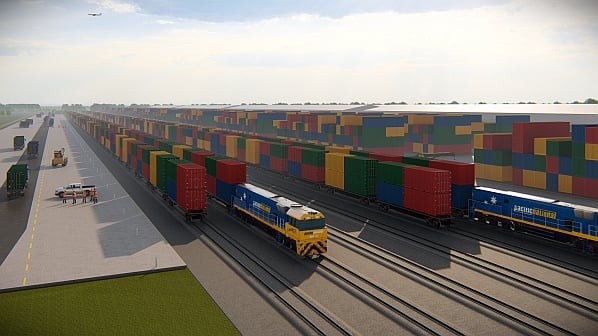
    Mode optimisation involves selecting the most cost-effective and efficient transportation mode for each shipment. Businesses can often reduce costs by using a combination of transportation modes, such as road, rail, and sea freight, depending on the shipment's size, weight, and delivery timeline. Intermodal transport solutions provide flexibility and can significantly reduce costs for long-distance or international shipments.
  5. Technology Integration
    Implementing transportation management systems (TMS) and real-time tracking tools is crucial for optimising transport operations. A TMS can help businesses plan, execute, and monitor their transportation activities, providing visibility into every aspect of the supply chain. Real-time tracking allows companies to monitor shipments, anticipate delays, and make adjustments to minimise disruptions.
  6. Carrier Management and Collaboration
    Businesses often rely on third-party logistics providers or carriers to handle their transportation needs. Effective carrier management involves negotiating favourable contracts, monitoring carrier performance, and fostering collaborative relationships with transport providers. By collaborating with carriers, businesses can achieve more efficient transportation operations, negotiate better rates, and improve service levels.

Cost Reduction Strategies for Transportation

In addition to optimisation, businesses need to implement cost reduction strategies that help them manage transportation expenses more effectively. Some of the most impactful cost reduction strategies include:

  1. Fuel Efficiency Programs
    Fuel is one of the largest expenses in transportation. Implementing fuel efficiency programs, such as optimising driving behaviours (e.g., reducing idling and speeding) and using fuel-efficient vehicles, can lead to significant savings. Investing in alternative fuel vehicles, such as electric trucks, can also help reduce long-term fuel costs and lower carbon emissions.
  2. Supplier and Carrier Negotiations
    Businesses should regularly review and negotiate contracts with their suppliers and carriers to ensure they are getting the best possible rates. By leveraging economies of scale or volume discounts, companies can reduce transportation costs while maintaining high service levels.
  3. Outsourcing vs. In-House Fleet
    Deciding whether to maintain an in-house fleet or outsource transportation to third-party providers is a critical decision for many businesses. Outsourcing can provide access to a wider network of carriers, reduce capital expenses, and increase operational flexibility. On the other hand, in-house fleets offer greater control over operations and service levels.
  4. Dynamic Pricing and Freight Procurement
    Businesses can use dynamic pricing models and freight procurement platforms to secure the most competitive rates for their transportation needs. Dynamic pricing adjusts transport rates based on demand, capacity, and other factors, allowing businesses to take advantage of cost savings during off-peak times or when carriers have excess capacity.
  5. Reducing Return Logistics
    Reverse logistics—managing returns, repairs, or recycling—can be costly and complex. Businesses can reduce reverse logistics costs by improving order accuracy, minimising returns, and streamlining the process for handling returned goods.
  6. Optimising Delivery Schedules
    By optimising delivery schedules and consolidating shipments, businesses can reduce the frequency of trips and the associated transportation costs. Businesses should also consider using fewer, but larger, shipments to reduce transportation expenses.

Challenges in Transport Optimisation and Cost Reduction

Although transport optimisation and cost reduction deliver significant benefits, businesses may face challenges in implementing these strategies:

  1. Complex Supply Chains
    Businesses with complex or global supply chains often face challenges in managing multiple carriers, transportation modes, and regulatory requirements. Coordinating transportation across borders or different regions requires advanced planning and specialised tools.
  2. Rising Fuel Prices
    Volatile fuel prices can impact transportation costs and make it difficult for businesses to predict and manage expenses. Businesses must develop strategies for dealing with fluctuating fuel costs, such as hedging fuel or investing in fuel-efficient technologies.
  3. Technology Integration
    Many organisations struggle to implement or integrate advanced transportation management technologies into their existing operations. The cost of technology, coupled with the need for staff training, can create barriers to optimisation.
  4. Environmental Regulations
    As governments introduce stricter environmental regulations, businesses must adapt their transportation strategies to comply with emissions standards and reduce their carbon footprint. Meeting these requirements while maintaining cost-effectiveness can be challenging.

The Role of Supply Chain Consultants in Transport Optimisation

Supply chain consultants bring valuable expertise and advanced tools to help businesses optimise their transportation operations and reduce logistics costs. Here’s how consultants can assist with transport optimisation projects:

  • Route and Load Optimisation: Consultants analyse current transport operations to identify inefficiencies and develop strategies for optimising routes, consolidating shipments, and reducing empty miles.
  • Fleet and Carrier Management: Consultants evaluate whether in-house fleets or third-party carriers are more cost-effective for the organisation’s needs. They also help negotiate contracts with carriers and monitor performance to ensure service quality and cost efficiency.
  • Technology Implementation: Consultants assist with the implementation of transportation management systems (TMS) and other advanced tools to improve visibility, streamline operations, and enable real-time tracking of shipments.
  • Cost Analysis and ROI: Consultants provide cost-benefit analyses for various transport optimisation strategies, ensuring that investments in new technologies or processes deliver a strong return on investment (ROI).
  • Sustainability Initiatives: Consultants work with businesses to reduce their environmental impact by adopting green transportation practices, such as using alternative fuel vehicles, reducing emissions, and improving fuel efficiency.

How Trace Consultants Can Help with Transport Optimisation and Cost Reduction

At Trace Consultants, we understand that transport optimisation is essential for maintaining supply chain efficiency and driving business profitability. Our team of experts specialises in helping organisations reduce logistics costs, improve transport efficiency, and meet customer demands.

We offer a wide range of services to support transport optimisation and cost reduction, including:

  • Route and Load Optimisation: We develop tailored strategies to streamline your transportation routes, reduce fuel consumption, and maximise vehicle utilisation.
  • Technology Integration: Our consultants help implement advanced transportation management systems (TMS) and real-time tracking tools that provide visibility into your logistics operations and ensure timely deliveries.
  • Carrier Management: We work with your team to select and manage carriers, negotiate better contracts, and optimise freight rates to reduce costs while maintaining service levels.
  • Sustainability in Transportation: We assist in integrating sustainability initiatives into your transport strategy, helping your business reduce emissions and meet environmental goals while improving operational efficiency.

With Trace Consultants as your partner, your organisation can achieve significant cost savings, improved service levels, and enhanced sustainability through optimised transportation operations.

Warehousing & Distribution

How Warehouse Design and Operations Optimisation Can Transform Supply Chain Efficiency

September 2024
Discover how optimising warehouse design and operations can streamline your supply chain, reduce costs, and enhance efficiency, while meeting customer expectations in real-time.

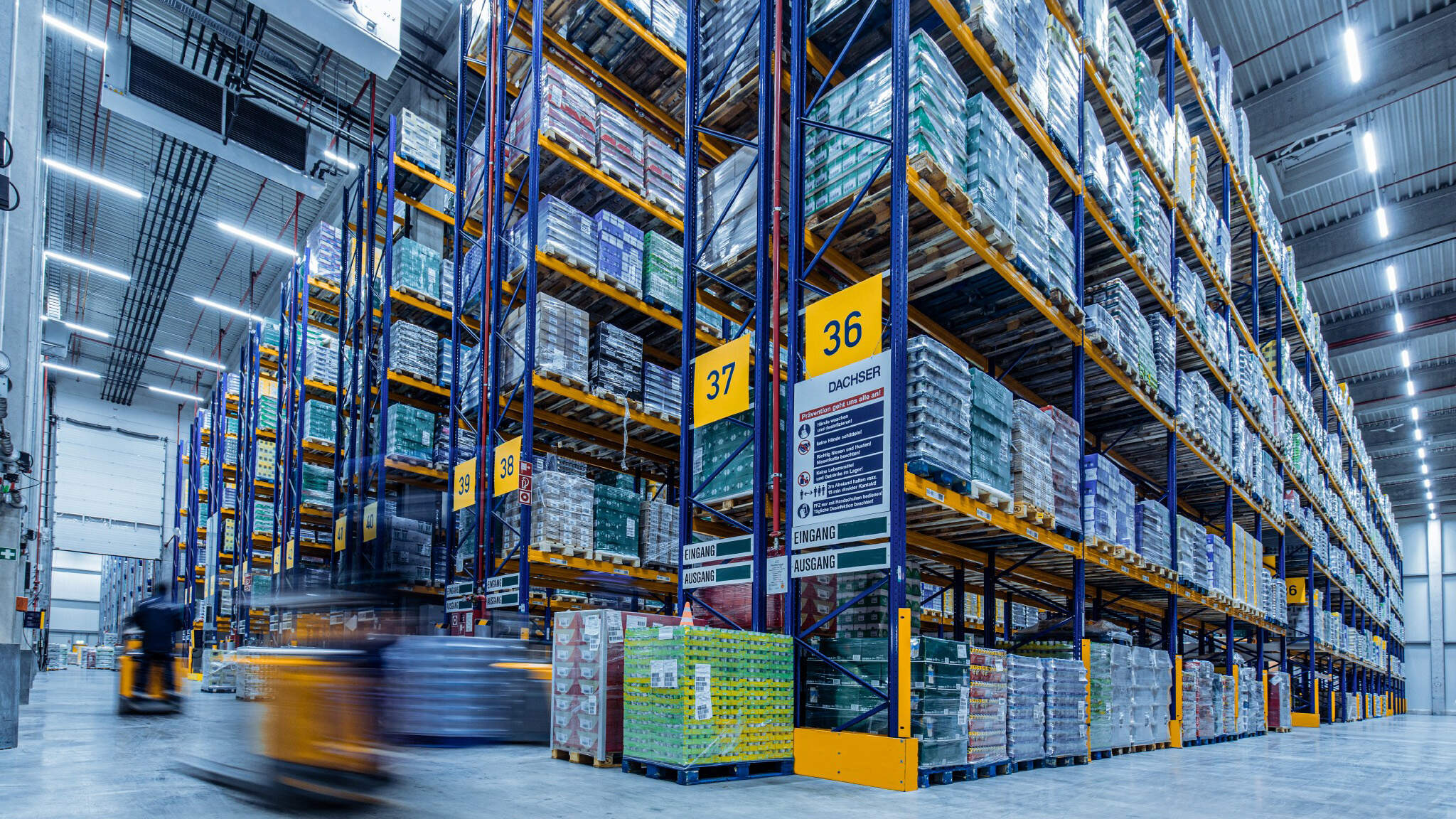
Warehouses are a critical component of the modern supply chain, serving as the hubs where products are stored, processed, and shipped to customers. As customer expectations for faster deliveries continue to rise, and businesses look to reduce operational costs, optimising warehouse design and operations has become more important than ever.

The layout and processes within a warehouse can significantly impact operational efficiency, costs, and overall service levels. A well-designed warehouse reduces handling time, increases storage capacity, and ensures that goods flow through the facility with minimal disruption. Operations optimisation focuses on streamlining workflows, adopting new technologies, and ensuring that resources are allocated effectively.

In this article, we will explore the key factors that influence warehouse design and operations optimisation, the benefits of optimising these elements, and how organisations can achieve higher efficiency through expert guidance.

The Importance of Warehouse Design and Operations Optimisation

Warehouse design and operations go hand in hand when it comes to creating an efficient supply chain. Poorly designed or inefficiently managed warehouses can lead to delays, bottlenecks, high labour costs, and wasted space, ultimately affecting the overall performance of the supply chain.

Here are some of the key reasons why warehouse design and operations optimisation are vital:

  1. Cost Reduction
    Effective warehouse design reduces operational costs by minimising wasted space, reducing labour hours, and optimising material handling processes. Streamlined operations lead to more efficient resource use, lowering costs across the board.
  2. Improved Order Fulfillment
    Customers today expect faster and more accurate deliveries. Optimised warehouse operations improve order accuracy, reduce picking times, and enhance overall fulfillment speed, helping businesses meet growing customer demands.
  3. Maximised Space Utilisation
    Warehouses with optimised layouts use available space more effectively, which reduces the need for costly expansions or offsite storage. Efficient use of vertical and horizontal space also allows for better inventory management and higher throughput.
  4. Enhanced Safety
    Proper warehouse design and operations planning not only improve efficiency but also enhance worker safety. Clear pathways, well-organised storage areas, and automated systems reduce the risk of accidents and injuries.
  5. Scalability
    As businesses grow, their warehousing needs may change. A well-designed warehouse and optimised operations are more adaptable to changes in demand, allowing the facility to scale up or down without major disruptions.

Key Components of Effective Warehouse Design

Warehouse design plays a crucial role in determining how efficiently operations will be carried out. The following components are key to creating an efficient warehouse layout that meets the organisation’s needs:

  1. Storage Layout and Racking Systems
    The layout of a warehouse determines how goods are stored and accessed. Implementing the right racking systems, such as selective pallet racks, drive-in racks, or mezzanine floors, allows for better space utilisation and easy access to products. The layout should prioritise high-demand products, placing them closer to packing and shipping areas to reduce travel time.
  2. Receiving and Shipping Areas
    The design of the receiving and shipping areas plays a critical role in determining the efficiency of material handling processes. Separate, well-organised areas for incoming and outgoing goods reduce bottlenecks and improve overall flow.
  3. Material Handling Equipment (MHE)
    Choosing the right material handling equipment, such as forklifts, conveyors, or automated guided vehicles (AGVs), ensures that goods are moved quickly and safely throughout the warehouse. The type of equipment used should align with the warehouse’s operational needs, layout, and space constraints.
  4. Flow of Goods
    The movement of goods through the warehouse, from receiving to storage and shipping, should be carefully planned to minimise unnecessary movement and delays. A streamlined flow reduces handling times and improves overall productivity.
  5. Technology Integration
    Incorporating technology into warehouse design can improve accuracy and efficiency. Implementing warehouse management systems (WMS), barcode scanning, and automated picking systems can optimise inventory control and reduce manual errors.
  6. Safety Considerations
    Warehouse design should prioritise safety by ensuring clear walkways, adequate lighting, proper signage, and designated zones for material handling equipment. Implementing safety features helps protect workers and equipment while maintaining operational efficiency.

Warehouse Operations Optimisation

Once a warehouse is designed to meet the organisation’s space and functional needs, optimising operations ensures that processes within the facility run smoothly and efficiently. Key areas of focus for warehouse operations optimisation include:

  1. Inventory Management
    Optimising inventory management ensures that stock levels are accurately monitored, reducing the risk of overstocking or stockouts. Advanced inventory tracking technologies, such as RFID or barcode systems, provide real-time visibility into stock levels and locations.
  2. Order Picking Strategies
    The speed and accuracy of order fulfillment depend heavily on the picking process. Optimising order picking by using techniques such as batch picking, zone picking, or wave picking can significantly reduce labour time and improve order accuracy.
  3. Automation and Robotics
    Introducing automation into warehouse operations can streamline repetitive tasks, reduce labour costs, and increase efficiency. Automated storage and retrieval systems (AS/RS), conveyor belts, and robotic picking systems can handle tasks more quickly and accurately than manual processes.
  4. Labour Management
    Labour is often one of the most significant costs in warehouse operations. Optimising labour management through efficient workforce scheduling, task prioritisation, and performance tracking helps reduce idle time and ensures that staff resources are allocated where they are needed most.
  5. Continuous Improvement
    Warehouse operations should be continuously monitored and evaluated for improvement opportunities. Regular performance reviews, key performance indicators (KPIs), and employee feedback can help identify bottlenecks, inefficiencies, and areas for improvement.
  6. Sustainability Initiatives
    Incorporating sustainability practices into warehouse operations, such as energy-efficient lighting, waste reduction programs, and green packaging solutions, can help reduce the environmental impact of the facility while potentially lowering operating costs.

Challenges in Warehouse Design and Operations Optimisation

Although the benefits of optimising warehouse design and operations are clear, many organisations face challenges when trying to implement these changes. Common challenges include:

  1. Legacy Infrastructure
    Many organisations operate in older warehouses that may not have been designed for modern supply chain needs. Retrofitting these facilities with new layouts, technologies, or automation solutions can be costly and complex.
  2. High Labour Costs
    Warehouses often rely on a significant workforce to handle picking, packing, and shipping tasks. Labour shortages, rising wages, and high turnover rates can create challenges for maintaining operational efficiency.
  3. Lack of Real-Time Data
    Without accurate and up-to-date data on inventory levels, order status, and operational performance, it is difficult to make informed decisions and optimise processes effectively.
  4. Technology Integration
    Implementing new technologies, such as warehouse management systems (WMS) or automation solutions, often requires significant upfront investment and integration with existing systems. The transition to new technology can be disruptive if not managed properly.
  5. Seasonal Demand Variability
    Many industries experience seasonal demand fluctuations that require warehouses to ramp up or down quickly. Adapting to these changes without overextending resources or creating inefficiencies can be challenging.

The Role of Supply Chain Consultants in Warehouse Design and Optimisation

Engaging supply chain consultants can provide the expertise and external perspective needed to optimise warehouse design and operations. Consultants bring industry knowledge, advanced tools, and best practices to help organisations overcome challenges and achieve their operational goals.

Here’s how supply chain consultants typically assist with warehouse design and operations optimisation:

  • Warehouse Layout Design: Consultants conduct detailed analyses of space requirements, material flow, and storage needs to design a layout that maximises efficiency and minimises handling time.
  • Technology Recommendations: Consultants evaluate the organisation’s needs and recommend the most appropriate technologies, such as warehouse management systems (WMS), automation solutions, or material handling equipment.
  • Process Improvement: Consultants identify bottlenecks and inefficiencies in current operations and develop strategies to streamline workflows, reduce costs, and improve order fulfillment times.
  • Cost Analysis and ROI Assessment: Consultants provide a cost-benefit analysis to help organisations understand the financial impact of proposed changes and ensure that investments in new technologies or processes deliver a positive return on investment (ROI).
  • Change Management: Implementing changes in warehouse design and operations requires careful management to avoid disruption. Consultants provide support with change management, workforce training, and performance monitoring to ensure a smooth transition.

How Trace Consultants Can Help with Warehouse Design and Operations Optimisation

At Trace Consultants, we specialise in helping organisations design and optimise their warehouse operations to enhance efficiency, reduce costs, and improve service levels. Our team of experts works closely with clients to assess their unique needs and develop tailored solutions that meet operational goals while supporting long-term business success.

We offer a comprehensive suite of services to support warehouse design and optimisation, including:

  • Warehouse Layout Design: We design warehouse layouts that maximise space utilisation, improve material flow, and enhance operational efficiency.
  • Technology Integration: Our consultants help implement advanced technologies, such as warehouse management systems (WMS) and automation solutions, to optimise inventory management and order fulfillment processes.
  • Operations Optimisation: We conduct detailed analyses of your current operations and develop strategies to streamline processes, reduce labour costs, and improve order accuracy and speed.
  • Continuous Improvement: We work with your team to establish continuous improvement initiatives, ensuring that your warehouse remains efficient and adaptable to changing business needs.

Whether your organisation is looking to redesign an existing warehouse or optimise operations for greater efficiency, Trace Consultants has the expertise and tools to help you achieve your goals. Let us partner with you to transform your warehouse into a high-performance, cost-effective facility that drives supply chain success.

Sustainability

How Sustainability and Carbon Reduction in Supply Chains Drive Business Success

September 2024
Learn how supply chain sustainability and carbon reduction efforts can help businesses improve efficiency, reduce costs, and meet regulatory demands, while contributing to environmental goals.

Sustainability has become a key priority for businesses worldwide as environmental concerns grow and regulatory pressures intensify. For many organisations, the supply chain represents one of the largest contributors to their carbon footprint. From transportation emissions to energy-intensive manufacturing processes, every aspect of the supply chain offers opportunities to reduce environmental impact.

Transitioning to sustainable supply chain practices is no longer just a regulatory requirement or a moral responsibility—it’s a strategic imperative that can deliver substantial business benefits. Companies that embrace sustainable supply chain management can reduce operational costs, enhance brand reputation, and mitigate risks related to climate change, resource scarcity, and changing consumer preferences.

In this article, we explore how sustainability and carbon reduction in supply chains drive business success, the challenges organisations face, and the strategic steps they can take to achieve their sustainability goals.

The Growing Importance of Sustainability in Supply Chains

Sustainable supply chains are designed to minimise environmental impact by reducing greenhouse gas emissions, conserving natural resources, and optimising energy use. Sustainability extends across every stage of the supply chain, from raw material sourcing to manufacturing, transportation, warehousing, and disposal or recycling at the end of a product’s lifecycle.

Here are several key reasons why sustainability is becoming increasingly important for supply chains:

  1. Regulatory Pressures
    Governments worldwide are introducing more stringent environmental regulations, such as carbon taxes, emissions caps, and modern slavery laws, that directly impact supply chain operations. Organisations need to comply with these regulations or face potential fines, reputational damage, and restricted market access.
  2. Consumer Demand for Green Products
    Today’s consumers are more environmentally conscious than ever. They expect businesses to operate sustainably and often prefer to buy products from companies that prioritise environmental responsibility. Meeting consumer demand for sustainable products can provide a significant competitive advantage.
  3. Risk Mitigation
    Climate change, resource depletion, and environmental degradation can create significant risks for businesses. Disruptions in raw material supplies, increased energy costs, and damage to critical infrastructure are just a few examples of how environmental challenges can affect supply chain operations. By adopting sustainable practices, organisations can mitigate these risks.
  4. Cost Reduction
    Sustainable supply chain practices often lead to cost savings. By optimising energy usage, reducing waste, and improving resource efficiency, companies can cut operating costs while reducing their carbon footprint.
  5. Brand Reputation and Investor Expectations
    Organisations that demonstrate a commitment to sustainability can enhance their brand reputation and attract environmentally conscious consumers. Additionally, investors are increasingly factoring environmental, social, and governance (ESG) criteria into their investment decisions, making sustainability a key factor in attracting capital.

Challenges in Achieving Supply Chain Sustainability

Despite the clear benefits, many organisations face challenges in transitioning to more sustainable supply chain practices. Some of the most common challenges include:

  1. Lack of Visibility Across the Supply Chain
    Many businesses lack visibility into the environmental impact of their entire supply chain. Tracking and measuring emissions, energy consumption, and waste throughout the supply chain can be difficult, especially when working with multiple suppliers in different regions.
  2. Balancing Sustainability with Profitability
    Achieving sustainability goals can sometimes conflict with traditional cost-cutting measures. For example, transitioning to renewable energy sources or investing in sustainable technologies may require upfront capital that some organisations struggle to justify without clear, short-term financial returns.
  3. Supplier Compliance
    Many companies rely on a complex network of suppliers, often spanning multiple countries with varying environmental standards. Ensuring that all suppliers comply with sustainability initiatives and environmental regulations can be a significant challenge.
  4. Technology Gaps
    Implementing the technology needed to monitor and improve supply chain sustainability, such as carbon tracking tools or energy-efficient manufacturing systems, can be complex and costly. Many organisations lack the infrastructure to support these changes.
  5. Changing Consumer Preferences
    Consumer demand for sustainable products is growing, but it can also be unpredictable. Balancing the cost of sustainable practices with fluctuating demand requires careful planning and forecasting.

Steps to Achieve Supply Chain Sustainability

Organisations that prioritise sustainability in their supply chains can achieve long-term benefits for both the environment and their bottom line. Below are several key steps businesses can take to improve sustainability and reduce carbon emissions throughout their supply chain:

  1. Implement Sustainable Sourcing Practices
    One of the most impactful steps a company can take is to ensure that raw materials are sourced from sustainable suppliers. This includes working with suppliers who adhere to ethical labour practices, conserve natural resources, and minimise their environmental footprint. Many organisations are now using sustainability certifications, such as Fair Trade or FSC (Forest Stewardship Council), to validate their suppliers’ practices.
  2. Optimise Transportation and Logistics
    Transportation is one of the largest contributors to supply chain emissions. Organisations can reduce their carbon footprint by optimising transportation routes, consolidating shipments, and investing in fuel-efficient or electric vehicles. Additionally, transitioning to intermodal transport solutions—such as combining road, rail, and sea transport—can significantly reduce emissions.
  3. Invest in Energy-Efficient Technologies
    Improving energy efficiency in manufacturing, warehousing, and logistics can lead to substantial reductions in carbon emissions. This can be achieved by upgrading equipment, transitioning to renewable energy sources, and implementing energy management systems that monitor and optimise energy use across the supply chain.
  4. Reduce Waste and Embrace Circular Economy Principles
    Reducing waste throughout the supply chain—whether through lean manufacturing, optimised packaging, or recycling programs—can significantly reduce environmental impact. Circular economy principles, such as designing products for reuse or recycling, can extend the lifecycle of products and minimise waste.
  5. Monitor and Measure Carbon Emissions
    To achieve carbon reduction goals, businesses must first measure their current emissions. Implementing carbon tracking tools and sustainability metrics can help organisations identify high-impact areas and develop strategies to reduce emissions. Regularly reporting on sustainability progress ensures transparency and accountability.
  6. Collaborate with Suppliers on Sustainability Goals
    Achieving supply chain sustainability requires collaboration with suppliers. Organisations should work closely with suppliers to set shared sustainability goals, provide training on sustainable practices, and ensure compliance with environmental regulations. Long-term partnerships with suppliers can foster innovation and drive mutual benefits.
  7. Leverage Technology for Sustainability
    Technology is key to enabling sustainable supply chains. Advanced technologies, such as Internet of Things (IoT) sensors, blockchain, and AI-driven analytics, can provide real-time visibility into the environmental impact of supply chain operations. These tools can help businesses monitor energy use, track carbon emissions, and optimise resource efficiency.

The Role of Supply Chain Consultants in Sustainability and Carbon Reduction

Many organisations face challenges in implementing sustainable supply chain practices due to a lack of internal expertise, resources, or technology. Engaging a supply chain consultant can help businesses overcome these challenges and achieve their sustainability goals more effectively.

Here’s how supply chain consultants can support sustainability and carbon reduction initiatives:

  • Sustainability Audits: Consultants conduct comprehensive audits of the supply chain to assess energy usage, emissions, and waste across each stage of the supply chain. This provides a clear baseline from which to measure improvements.
  • Carbon Footprint Reduction Strategies: Consultants help organisations develop and implement strategies to reduce their carbon footprint, such as optimising transportation routes, transitioning to renewable energy sources, or improving energy efficiency in manufacturing processes.
  • Supplier Collaboration: Consultants work with businesses to engage suppliers in sustainability initiatives, helping to set sustainability targets, track compliance, and build long-term partnerships focused on environmental responsibility.
  • Technology Integration: Consultants assist organisations in selecting and implementing the technologies needed to monitor, measure, and improve sustainability performance. This includes carbon tracking tools, energy management systems, and supply chain visibility platforms.
  • Regulatory Compliance: Supply chain consultants help businesses navigate complex environmental regulations, ensuring compliance with emissions caps, carbon taxes, and sustainability reporting requirements.

How Trace Consultants Can Help with Supply Chain Sustainability

At Trace Consultants, we understand that achieving sustainability in supply chains is a complex but critical undertaking. Our team of experts is dedicated to helping organisations reduce their environmental impact while driving business performance.

We offer a comprehensive suite of sustainability services, including:

  • Sustainability Audits: Our consultants perform in-depth audits of your supply chain to identify areas for improvement in energy use, emissions, and waste management.
  • Carbon Reduction Strategies: We help businesses develop tailored carbon reduction plans that align with their environmental goals, regulatory requirements, and business objectives.
  • Supplier Engagement: We work closely with your suppliers to build collaborative relationships that drive sustainability and ensure compliance with ethical sourcing and environmental standards.
  • Technology Solutions: We assist in implementing the latest technologies to monitor and optimise supply chain sustainability, providing you with real-time insights and the tools to drive continuous improvement.

By partnering with Trace Consultants, your organisation can take meaningful steps toward achieving supply chain sustainability while reducing costs, improving efficiency, and enhancing your brand reputation. Together, we can create a supply chain that’s not only environmentally responsible but also a source of competitive advantage.

Planning, Forecasting, S&OP and IBP

How Sales & Operations Planning (S&OP) and Integrated Business Planning (IBP) Drive Business Performance

September 2024
Sales & Operations Planning (S&OP) and Integrated Business Planning (IBP) frameworks help organisations align their operations with strategic goals. Learn how these tools improve performance and drive profitability.

In today’s dynamic and competitive markets, businesses must have the ability to align operations with demand, financial goals, and strategic priorities. Sales & Operations Planning (S&OP) and Integrated Business Planning (IBP) frameworks offer organisations a structured approach to achieving this alignment. By facilitating cross-functional collaboration, these processes ensure that sales, marketing, supply chain, finance, and operations teams work together toward shared objectives.

S&OP and IBP frameworks provide a comprehensive view of an organisation’s performance, allowing for better decision-making, improved efficiency, and enhanced profitability. In this article, we explore the importance of these frameworks, their key components, and how they drive success in complex organisations.

The Importance of S&OP and IBP in Modern Business

Both S&OP and IBP are designed to synchronise business functions and drive organisational alignment. While S&OP primarily focuses on aligning sales forecasts with supply chain and operational capabilities, IBP goes a step further by integrating financial planning and strategic business goals into the process.

Here are some of the key benefits that organisations can achieve through effective S&OP and IBP frameworks:

  • Improved Forecast Accuracy: By combining inputs from multiple departments, these processes help businesses generate more accurate demand forecasts, reducing the risk of stockouts, overproduction, and excess inventory.
  • Operational Efficiency: S&OP and IBP frameworks enable companies to optimise their supply chain and operations, ensuring that resources are allocated effectively and that production plans align with real-time demand.
  • Better Financial Performance: Aligning operational plans with financial goals allows organisations to manage costs more effectively, increase profitability, and allocate capital where it will drive the most value.
  • Enhanced Collaboration: These frameworks break down silos between departments, fostering a culture of cross-functional collaboration that drives better decision-making and execution.

In industries such as retail, manufacturing, FMCG, and healthcare, S&OP and IBP frameworks are essential for balancing customer demand with operational capacity while meeting financial objectives.

Key Components of Effective S&OP and IBP Frameworks

An effective S&OP or IBP process relies on several key components that ensure seamless collaboration and decision-making across functions. Here are the critical elements of a successful framework:

  1. Demand Planning and Forecasting
    Accurate demand planning is at the heart of both S&OP and IBP processes. It involves collecting data from sales teams, market analysis, and customer orders to forecast future demand. This allows organisations to plan production schedules, manage inventory, and align their supply chain with expected sales volumes.
  2. Supply Planning
    Supply planning involves aligning the organisation’s production and distribution capabilities with the forecasted demand. This ensures that there are sufficient resources, materials, and capacity to meet customer requirements without overproducing or incurring unnecessary costs.
  3. Financial Integration
    In IBP, the financial planning element is crucial. This component involves aligning operational and supply chain plans with the organisation’s overall financial objectives. By integrating financial forecasts into the process, businesses can ensure that their operational strategies contribute to profitability and long-term growth.
  4. Scenario Planning and Risk Management
    Both S&OP and IBP frameworks rely on scenario planning to prepare for potential disruptions or shifts in market conditions. By modelling different scenarios—such as demand spikes, supply shortages, or cost fluctuations—organisations can create contingency plans and mitigate risks before they impact the business.
  5. Cross-Functional Collaboration
    A successful S&OP or IBP process depends on collaboration between sales, operations, finance, and supply chain teams. Regular cross-functional meetings are held to review performance, discuss challenges, and align plans with strategic objectives. This collaboration ensures that everyone is working toward the same goals and that decisions are made with a holistic view of the business.
  6. Continuous Improvement
    S&OP and IBP frameworks are not one-time projects but ongoing processes that require continuous improvement. Regular reviews, data analysis, and feedback loops are essential to ensure that the plans remain aligned with changing market conditions and business objectives.

Challenges in Implementing S&OP and IBP

Despite the clear benefits of S&OP and IBP frameworks, many organisations face challenges when implementing these processes. Some of the most common obstacles include:

  1. Data Silos and Poor Data Quality
    S&OP and IBP rely heavily on accurate data from various departments. However, many organisations struggle with data silos, where different teams maintain separate databases that are not integrated. Inaccurate or inconsistent data can lead to poor forecasting and decision-making.
  2. Resistance to Change
    Implementing S&OP and IBP often requires significant changes to existing processes and systems. Resistance to change from employees or leadership can slow down the implementation process and hinder its success.
  3. Lack of Collaboration
    Cross-functional collaboration is critical to the success of S&OP and IBP frameworks. However, if departments operate in isolation or fail to communicate effectively, the process can break down, leading to misalignment between sales, operations, and finance.
  4. Technology Integration
    Many organisations lack the technological infrastructure to support S&OP and IBP processes. Without integrated planning tools and advanced analytics platforms, it can be challenging to collect, analyse, and share the data needed for effective decision-making.
  5. Inconsistent Leadership Support
    Successful S&OP and IBP processes require strong leadership support from all levels of the organisation. If executives do not champion the process or fail to engage consistently, it can become difficult to maintain the cross-functional collaboration needed for success.

Effective S&OP and IBP Processes: Best Practices

To overcome these challenges and implement effective S&OP and IBP frameworks, organisations should adopt the following best practices:

  1. Invest in Data Integration and Analytics
    To ensure accurate forecasting and decision-making, businesses should invest in technologies that integrate data from multiple sources, such as demand forecasting tools, enterprise resource planning (ERP) systems, and financial planning platforms. Advanced analytics can help identify trends, uncover opportunities, and improve overall performance.
  2. Promote Cross-Functional Collaboration
    Creating a culture of collaboration across departments is essential for the success of S&OP and IBP. Regular meetings, clear communication channels, and a shared understanding of business goals help ensure that all teams work together effectively.
  3. Leverage Scenario Planning Tools
    Implementing scenario planning tools allows organisations to simulate different market conditions and assess the impact of potential risks or opportunities. By evaluating various scenarios, businesses can make more informed decisions and build resilience in their supply chain and operations.
  4. Align KPIs with Strategic Goals
    Both S&OP and IBP should be driven by clearly defined key performance indicators (KPIs) that align with the organisation’s strategic objectives. These KPIs should be regularly reviewed and adjusted as needed to ensure the process remains aligned with business goals.
  5. Continuous Review and Improvement
    S&OP and IBP are iterative processes that require continuous monitoring and improvement. Regularly reviewing the process, collecting feedback, and adjusting plans based on performance data will help ensure long-term success.

When Should Organisations Engage a Supply Chain Consultant?

Implementing and maintaining effective S&OP and IBP frameworks can be challenging, particularly for organisations with complex supply chains or siloed departments. Engaging a supply chain consultant can provide the expertise and guidance needed to establish or refine these processes.

Consultants can help organisations:

  • Develop Customised S&OP and IBP Frameworks: Consultants design tailored frameworks that align with the organisation’s unique needs, market conditions, and strategic objectives.
  • Implement Data-Driven Tools: Consultants assist in selecting and integrating advanced forecasting, analytics, and scenario planning tools to support S&OP and IBP processes.
  • Facilitate Cross-Functional Collaboration: Consultants ensure that all departments are aligned and working together effectively by facilitating workshops, meetings, and training sessions.
  • Drive Continuous Improvement: Consultants help organisations monitor performance, identify areas for improvement, and implement best practices for ongoing success.

How Trace Consultants Can Help with S&OP and IBP Implementation

Trace Consultants specialises in helping organisations design and implement effective Sales & Operations Planning (S&OP) and Integrated Business Planning (IBP) frameworks that drive business performance. Our team of experts works closely with clients to develop customised planning processes that improve demand forecasting, align operational capacity with sales forecasts, and ensure financial goals are met.

At Trace Consultants, we offer the following services to support S&OP and IBP initiatives:

  • Custom Framework Development: We work with your team to develop an S&OP or IBP framework tailored to your organisation’s needs, industry, and strategic goals.
  • Advanced Analytics and Tools: Our consultants help you implement the latest forecasting, scenario planning, and financial integration tools to support data-driven decision-making.
  • Cross-Functional Alignment: We facilitate collaboration across departments, ensuring that all teams are aligned and working toward shared objectives.
  • Continuous Improvement Support: We help your organisation establish continuous review processes to refine and improve your S&OP and IBP frameworks over time.

With Trace Consultants by your side, your organisation can unlock the full potential of S&OP and IBP to improve efficiency, drive profitability, and achieve long-term success.

Procurement

How Procurement and Supplier Relationship Management Can Unlock Cost Savings and Business Growth

Learn how organisations can improve procurement practices and strengthen supplier relationships to reduce costs, improve quality, and mitigate risk. Trace Consultants offers expert guidance for optimising procurement strategies.

Procurement and supplier relationships play a central role in supply chain efficiency, cost control, and overall business performance. Strategic procurement, coupled with robust supplier relationship management (SRM), can help organisations achieve cost savings, improve product or service quality, reduce risk, and foster innovation. Yet, many organisations struggle to fully capitalise on the potential benefits of an optimised procurement strategy and strong supplier partnerships.

In this article, we explore the importance of procurement and SRM, the challenges businesses face, and how working with supply chain consultants can help unlock value in these areas.

The Role of Procurement in Business Success

Procurement is more than just purchasing goods and services. It involves a strategic approach to managing supplier relationships, negotiating contracts, and ensuring that the organisation’s requirements are met efficiently and cost-effectively. Effective procurement enables companies to:

  • Reduce Costs: Negotiating favourable terms with suppliers can lead to significant cost savings across the organisation.
  • Mitigate Risks: A strong procurement function ensures supply continuity by managing supplier risk, diversifying the supplier base, and creating contingency plans for disruptions.
  • Enhance Quality: Partnering with the right suppliers can lead to better product quality and more consistent service delivery.
  • Drive Innovation: Collaborating with suppliers who are industry leaders can foster innovation and provide access to new technologies, products, or services that give the business a competitive edge.

Supplier Relationship Management (SRM)

SRM is the systematic approach to managing an organisation's interactions with its suppliers. It involves evaluating supplier performance, building long-term relationships, and fostering collaboration. Effective SRM helps organisations optimise supplier performance, reduce supply chain risks, and create value beyond cost savings.

Benefits of strong SRM include:

  • Improved Supplier Performance: Suppliers are more likely to meet or exceed expectations when relationships are managed proactively.
  • Risk Mitigation: Diversifying the supplier base and maintaining open communication can reduce the risk of supply chain disruptions.
  • Cost Reductions: Long-term supplier relationships can lead to negotiated cost reductions, bulk discounts, or better contract terms.
  • Innovation: Strategic suppliers often provide insights into market trends, new technologies, and innovative solutions that can enhance business operations.

Key Challenges in Procurement and SRM

Procurement and SRM present a range of challenges for organisations, especially as supply chains become more complex and global. Here are some common challenges businesses face in these areas:

  1. Supplier Dependency and Risk
    Relying too heavily on a small number of suppliers can create significant risks. If a key supplier fails to deliver due to financial difficulties, natural disasters, or political instability, the entire supply chain can be disrupted.
  2. Balancing Cost and Quality
    While cost savings are a priority in procurement, organisations must also balance these savings with the need for high-quality products and services. Achieving the best value for money without compromising on quality can be difficult.
  3. Managing Supplier Performance
    Many organisations struggle to consistently monitor and manage supplier performance. Without effective performance metrics and regular reviews, suppliers may fail to meet expectations, leading to delays, quality issues, or cost overruns.
  4. Contract Management
    Procurement teams often deal with complex contracts that cover pricing, service levels, delivery schedules, and compliance requirements. Managing these contracts effectively is crucial to ensuring suppliers meet their obligations and that the business is protected from potential risks.
  5. Sustainability and Ethical Sourcing
    Increasingly, organisations are expected to ensure that their suppliers adhere to environmental sustainability and ethical labour practices. Ensuring compliance with modern slavery laws and reducing the environmental footprint of the supply chain are major challenges in procurement today.
  6. Technology Integration
    As procurement becomes more data-driven, organisations must implement and integrate procurement technologies, such as spend analytics tools, e-procurement systems, and supplier performance management software. However, adopting and integrating these technologies can be a complex and costly process.

Effective Procurement Strategies

To overcome these challenges and maximise the benefits of procurement and SRM, organisations should implement several key strategies:

  1. Spend Analysis and Category Management
    Conducting a thorough analysis of spend data allows organisations to identify savings opportunities, consolidate purchasing power, and manage categories more effectively. Grouping purchases into categories based on similar goods or services helps in leveraging volume discounts and negotiating better terms.
  2. Supplier Diversification
    Diversifying the supplier base reduces the risk of supply chain disruptions and enhances competitive pricing. By sourcing from multiple suppliers, organisations can reduce dependency on any single supplier and increase the flexibility of their supply chain.
  3. Supplier Performance Monitoring
    Regular performance reviews ensure that suppliers are meeting contractual obligations and contributing to the organisation's goals. Establishing key performance indicators (KPIs) and service-level agreements (SLAs) provides a framework for evaluating supplier performance and identifying areas for improvement.
  4. Contract Optimisation
    Well-negotiated contracts form the foundation of successful supplier relationships. Optimising contracts to include clear terms around pricing, performance metrics, compliance requirements, and penalties for non-compliance ensures that suppliers are held accountable and risks are minimised.
  5. Sustainable and Ethical Sourcing
    Adopting sustainability and ethical sourcing practices is becoming a requirement for many businesses. Organisations should work with suppliers who share their commitment to reducing environmental impact and ensuring fair labour practices. This may include using renewable energy sources, reducing emissions, and ensuring compliance with ethical sourcing standards.
  6. Supplier Collaboration and Innovation
    Organisations that foster strong collaborative relationships with key suppliers can unlock innovation and improve supply chain performance. By working closely with suppliers, businesses can co-develop new products, improve processes, and gain insights into emerging trends.
  7. Leveraging Technology for Procurement
    The use of advanced procurement technologies, such as e-sourcing platforms, procurement analytics, and supplier management software, can help organisations streamline processes, reduce costs, and enhance visibility. These tools provide data-driven insights that allow procurement teams to make more informed decisions and improve supplier negotiations.

The Role of Supply Chain Consultants in Procurement and SRM

Supply chain consultants offer valuable expertise in optimising procurement strategies and managing supplier relationships. By working with consultants, organisations can access industry best practices, advanced analytics tools, and deep market insights that enable them to achieve cost savings and performance improvements.

Here’s how supply chain consultants can support procurement and SRM initiatives:

  • Spend Analysis and Opportunity Identification: Consultants can analyse an organisation's spend data to identify areas where costs can be reduced, contracts can be renegotiated, or categories can be consolidated to leverage economies of scale.
  • Supplier Performance Management: Consultants can help establish clear KPIs and SLAs for suppliers and implement performance monitoring processes to ensure suppliers meet contractual obligations and deliver high-quality products and services.
  • Risk Mitigation Strategies: Supply chain consultants assist in developing risk management strategies to reduce supplier dependency, diversify the supplier base, and create contingency plans for potential supply chain disruptions.
  • Contract Negotiation and Optimisation: Consultants bring expertise in contract negotiation, ensuring that businesses secure favourable terms while mitigating risks related to non-compliance or poor supplier performance.
  • Sustainable Procurement Practices: Consultants can help organisations develop and implement sustainable procurement policies, ensuring that suppliers meet environmental, social, and governance (ESG) criteria.

When Should Organisations Engage a Supply Chain Consultant?

Organisations should consider engaging a supply chain consultant for procurement and SRM initiatives under the following circumstances:

  • Cost Pressures: Businesses facing pressure to reduce procurement costs while maintaining quality should seek expert guidance to optimise their procurement strategies.
  • Supplier Risks: Organisations that are overly dependent on a few key suppliers or have experienced supply chain disruptions should work with consultants to diversify their supplier base and implement risk mitigation strategies.
  • Contract Complexity: If the business is managing complex supplier contracts or is struggling with non-compliance issues, consultants can assist in contract review, renegotiation, and management.
  • Sustainability Goals: Companies looking to enhance their sustainability and ethical sourcing practices may benefit from external support to implement these initiatives effectively.

How Trace Consultants Can Help with Procurement and SRM

Trace Consultants specialises in helping organisations optimise their procurement strategies and supplier relationships to drive cost savings, improve quality, and mitigate risks. Our expert consultants work closely with clients to implement effective procurement practices and build strong, collaborative relationships with suppliers.

At Trace Consultants, we offer a comprehensive approach to procurement optimisation that includes:

  • Spend Analysis: We use advanced data analytics to conduct a thorough review of your organisation's spend patterns, identifying areas for cost reduction, category consolidation, and supplier optimisation.
  • Supplier Performance Management: We establish clear KPIs and performance monitoring processes to ensure that your suppliers are meeting your expectations and delivering value.
  • Risk Mitigation: Our team helps you diversify your supplier base, reduce dependency on critical suppliers, and develop contingency plans to safeguard your supply chain against disruptions.
  • Contract Optimisation: We assist with contract negotiation and management, ensuring that you secure favourable terms and reduce the risk of non-compliance or supplier failures.
  • Sustainability and Ethical Sourcing: We help your organisation implement sustainable procurement practices, ensuring that your supply chain aligns with your environmental and social responsibility goals.

By partnering with Trace Consultants, your business can unlock the full potential of its procurement function, strengthen supplier relationships, and achieve long-term, sustainable growth.

Warehousing & Distribution

How Inventory Optimisation Can Boost Efficiency and Cut Costs for Organisations

September 2024
Inventory optimisation is crucial for reducing costs and improving service levels in supply chains. Learn how organisations can strike the right balance and enhance efficiency through effective inventory management.

Inventory is a critical element of every supply chain. Businesses rely on maintaining sufficient stock to meet customer demand, but holding too much inventory ties up capital, increases storage costs, and raises the risk of waste or obsolescence. On the other hand, insufficient inventory can lead to stockouts, lost sales, and dissatisfied customers. Striking the right balance between inventory levels and demand is key to optimising supply chain performance and ensuring long-term profitability.

Inventory optimisation is the practice of strategically managing inventory levels to achieve the optimal balance between cost efficiency and service levels. This process involves using data-driven approaches to forecast demand, align stock with consumer needs, and improve the flow of goods across the supply chain. In this article, we will explore why inventory optimisation is essential, the key challenges organisations face, and how engaging supply chain consultants can unlock significant value.

The Importance of Inventory Optimisation in Modern Supply Chains

Inventory optimisation is not just about reducing excess stock; it’s about ensuring that the right amount of product is available at the right time and in the right place. When done correctly, inventory optimisation can deliver several benefits, including:

  • Cost Reduction: Lowering inventory holding costs, reducing the risk of overstocking, and improving cash flow by freeing up capital tied in excess stock.
  • Improved Service Levels: Ensuring customers receive their orders on time by maintaining an appropriate stock of fast-moving items.
  • Risk Mitigation: Reducing the risk of stockouts, spoilage, or obsolescence, particularly for perishable goods or products with short life cycles.
  • Increased Agility: Enabling businesses to respond more quickly to fluctuations in demand or disruptions in the supply chain.

In competitive industries like retail, manufacturing, and FMCG, inventory optimisation can be a powerful driver of profitability and operational excellence.

Key Challenges in Inventory Management

Despite the clear benefits, many organisations struggle with inventory optimisation due to the complexity of balancing supply and demand. Below are some of the key challenges businesses face:

  1. Demand Variability
    Forecasting customer demand accurately is one of the most significant challenges in inventory management. Fluctuations in demand, driven by factors such as seasonality, economic conditions, and changing consumer preferences, can make it difficult to maintain the right level of stock.
  2. Lead Time Uncertainty
    The time it takes for suppliers to deliver goods can vary due to shipping delays, production issues, or geopolitical disruptions. Longer or unpredictable lead times make it difficult to maintain optimal inventory levels and can lead to stockouts or excess inventory.
  3. Complex Supply Chains
    Global supply chains have become more complex, with products being sourced from multiple regions and distributed across various markets. Managing inventory in this environment requires sophisticated tools and processes to ensure stock is available when and where it’s needed.
  4. Balancing Costs with Service Levels
    Organisations need to balance the cost of holding inventory with the need to maintain high service levels. This balancing act is especially difficult in industries with high carrying costs, such as electronics or pharmaceuticals, where stock may become obsolete quickly.
  5. Technology and Data Integration
    Many organisations still rely on outdated systems or manual processes for inventory management, which makes it challenging to achieve visibility across the supply chain. Without real-time data, it’s difficult to make informed decisions about when to replenish stock or adjust safety stock levels.

Techniques for Effective Inventory Optimisation

Achieving the right balance between cost and service levels requires a combination of advanced techniques and tools. Here are some of the most effective approaches to inventory optimisation:

  1. Demand Forecasting
    Accurate demand forecasting is the foundation of inventory optimisation. By leveraging historical data, market trends, and predictive analytics, organisations can forecast demand more accurately and plan inventory levels accordingly. Advanced demand planning tools can automatically adjust forecasts in real time to account for changes in customer behaviour or external factors, such as weather events or economic shifts.
  2. Safety Stock Optimisation
    Safety stock is the buffer inventory kept on hand to prevent stockouts in the event of unforeseen demand spikes or supply chain disruptions. While safety stock is essential for risk mitigation, holding too much can lead to increased carrying costs. Optimising safety stock levels requires balancing the cost of carrying extra inventory with the potential risk of lost sales due to stockouts.
  3. ABC Analysis
    ABC analysis is a technique that categorises inventory items based on their value and turnover rate. High-value, fast-moving items are classified as “A” items, while low-value, slow-moving items are categorised as “C” items. By prioritising resources and attention on “A” items, businesses can optimise their inventory investment while still managing lower-priority items effectively.
  4. Just-in-Time (JIT) Inventory
    The Just-in-Time (JIT) inventory model aims to minimise inventory holding costs by receiving goods only as they are needed in production or sales. While this approach can significantly reduce carrying costs, it requires a highly reliable supply chain and close coordination with suppliers to ensure timely deliveries.
  5. Technology Integration
    Implementing an advanced warehouse management system (WMS) or inventory management system (IMS) can provide organisations with real-time visibility into stock levels, demand forecasts, and lead times. These systems use data analytics to identify trends, automate replenishment processes, and generate alerts when stock levels are too low or too high.
  6. Collaborative Planning with Suppliers
    Supplier collaboration plays a crucial role in inventory optimisation. By sharing demand forecasts, production schedules, and lead time information, businesses can work closely with suppliers to ensure timely deliveries and minimise lead time variability. This collaboration can also help organisations negotiate better terms, such as bulk discounts or shorter lead times.

The Role of Supply Chain Consultants in Inventory Optimisation

Many organisations struggle to implement effective inventory optimisation strategies due to limited internal expertise, lack of advanced tools, or insufficient data visibility. Engaging a supply chain consultant can help businesses overcome these challenges by bringing in external expertise, best practices, and the latest technology solutions.

Here’s how supply chain consultants typically assist with inventory optimisation:

  • Data Analysis and Demand Forecasting: Consultants start by conducting a thorough analysis of the organisation’s historical sales data, market trends, and external factors that influence demand. This helps them develop more accurate demand forecasts and identify the root causes of inventory inefficiencies.
  • Inventory Segmentation: Consultants often recommend segmenting inventory into categories based on factors such as turnover rate, value, and risk. This allows businesses to prioritise resources and make more informed decisions about how to allocate stock.
  • Safety Stock and Replenishment Policies: Consultants help organisations set optimal safety stock levels and develop automated replenishment policies that minimise stockouts without overinvesting in inventory.
  • Technology Recommendations: Consultants evaluate the organisation’s existing technology infrastructure and recommend tools such as advanced planning systems (APS) or integrated business planning (IBP) solutions that can provide greater visibility and control over inventory.
  • Supplier Collaboration: Consultants work with organisations to establish collaborative planning processes with suppliers, ensuring that inventory levels are aligned with real-time demand and supply capabilities.

When Should Organisations Engage a Supply Chain Consultant?

Inventory optimisation is a complex, data-driven process that requires significant expertise and resources. Organisations should consider engaging a supply chain consultant in the following situations:

  • Excess Inventory Holding Costs: Businesses with high carrying costs or excess inventory that is tying up capital may benefit from an external review to identify optimisation opportunities.
  • Frequent Stockouts or Overstocking: If an organisation experiences frequent stockouts or overstock situations, a consultant can help diagnose the problem and implement more effective inventory planning techniques.
  • Supply Chain Disruptions: Companies that have experienced disruptions in their supply chain, such as delayed supplier deliveries or unpredictable demand spikes, may need assistance optimising their inventory levels to improve resilience.
  • Technology Gaps: Organisations that lack the necessary technology to track and manage inventory in real time may require help selecting and implementing the right tools to support optimisation efforts.

How Trace Consultants Can Help with Inventory Optimisation

At Trace Consultants, we understand that inventory optimisation is a delicate balance between managing costs and meeting customer expectations. Our team of supply chain experts can help your organisation implement advanced inventory optimisation strategies that drive real results.

We provide a comprehensive approach to inventory management by:

  • Leveraging Data-Driven Insights: Our consultants analyse your historical data, demand patterns, and external factors to develop accurate forecasts and tailored inventory strategies.
  • Implementing Advanced Technologies: We help you choose and implement the right tools, such as inventory management systems (IMS) or integrated business planning (IBP) solutions, to gain better control over your inventory.
  • Reducing Holding Costs: By optimising your inventory levels and streamlining your replenishment processes, we help you reduce carrying costs while maintaining high service levels.
  • Improving Supplier Collaboration: We work with your team to establish stronger supplier relationships and implement collaborative planning processes that improve lead time reliability and minimise disruptions.

Whether you’re looking to reduce costs, improve service levels, or enhance agility in your supply chain, Trace Consultants has the expertise and tools to help you achieve your goals. Let us partner with you to unlock the full potential of your inventory management strategy and drive lasting value for your business.

Strategy & Design

How Network Optimisation and Design Can Boost Efficiency and Cut Costs for Organisations

September 2024
Network optimisation and design play a crucial role in improving supply chain performance. Explore how organisations can cut costs, boost efficiency, and improve service by redesigning their distribution and logistics networks.

In today's fast-paced global economy, supply chains have become the backbone of virtually every industry. Efficient and optimised networks are essential to ensure that products move swiftly from manufacturers to consumers while keeping costs under control. However, with increasing complexity in logistics and rising customer expectations, many organisations face challenges in maintaining cost-effective and resilient networks. This is where supply chain consultants come in, offering valuable expertise in network optimisation and design.

Whether it's optimising warehouse locations, streamlining transport routes, or balancing inventory levels, network design and optimisation are critical projects that directly impact an organisation’s bottom line. In this article, we'll explore how network optimisation can transform supply chain performance and why engaging expert consultants is often the best approach.

The Importance of Network Optimisation in Supply Chains

At its core, network optimisation refers to the strategic design and continuous improvement of an organisation’s logistics and distribution network. This includes the placement of warehouses and distribution centres, the optimisation of transport routes, and the strategic flow of goods and information throughout the supply chain. The goal is to create a cost-effective network that delivers the highest possible service levels to customers.

For organisations looking to stay competitive, a well-optimised network can:

  • Reduce Costs: By placing warehouses closer to high-demand areas, reducing unnecessary transport, and consolidating shipments, companies can significantly lower transportation and warehousing expenses.
  • Improve Service Levels: Faster deliveries and more responsive supply chains lead to improved customer satisfaction and brand loyalty.
  • Enhance Agility: In an unpredictable market, an optimised network can allow companies to adapt more quickly to disruptions, such as shifts in demand, changes in trade regulations, or supply shortages.

Key Elements of Effective Network Optimisation

Network optimisation involves a combination of strategic planning, data analysis, and the integration of cutting-edge technology. Here are some of the critical components that contribute to successful network design and optimisation:

  1. Warehouse Location and Capacity Planning
    One of the most significant factors in network design is determining the optimal locations for warehouses and distribution centres. By strategically placing warehouses closer to major demand centres, organisations can reduce delivery lead times and transportation costs. Consultants typically use data-driven approaches such as geospatial analysis and demand forecasting to determine the best locations for these facilities.
  2. Inventory Flow and Optimisation
    Maintaining the right balance of inventory across the network is essential. Too much stock can lead to high holding costs, while too little can result in stockouts and lost sales. Optimising inventory levels across multiple locations ensures that companies can meet demand efficiently without incurring unnecessary costs. Advanced inventory optimisation tools can help organisations better forecast demand and strategically place stock where it's needed most.
  3. Transport Route Optimisation
    Transport costs often make up a significant portion of overall supply chain expenses. Optimising delivery routes can lead to substantial cost savings, particularly for businesses with large fleets or those reliant on third-party logistics providers. Consultants use technologies such as route planning software, GPS tracking, and predictive analytics to minimise travel times, reduce fuel consumption, and ensure timely deliveries.
  4. Technology Integration
    Advanced technology plays a critical role in the success of network optimisation projects. Organisations increasingly rely on solutions such as transport management systems (TMS), warehouse management systems (WMS), and supply chain visibility platforms to improve decision-making, monitor operations in real-time, and enable better collaboration across the network.
  5. Demand Planning and Forecasting
    Accurate demand forecasting is crucial to network optimisation. Predicting customer demand allows organisations to position inventory strategically, schedule deliveries efficiently, and reduce stockouts or overstocking. Consultants often introduce advanced demand planning tools and algorithms to help companies forecast more accurately, leading to better network performance.
  6. Sustainability Considerations
    As businesses and governments prioritise sustainability, optimising supply chains to reduce carbon emissions has become a key objective. Network design can influence sustainability by reducing transport distances, improving load efficiency, and integrating environmentally friendly transportation options, such as electric or hybrid vehicles.

When Should Organisations Engage a Supply Chain Consultant?

Network optimisation is a complex undertaking that requires a blend of technical expertise, industry knowledge, and data analysis. Many organisations engage consultants when they face the following challenges:

  • Expansion or Consolidation: Companies expanding into new regions, merging operations after an acquisition, or consolidating their supply chain networks may need help designing an optimal structure.
  • Cost Reduction Pressures: Businesses looking to reduce operational costs without compromising service levels often turn to network optimisation to streamline their operations.
  • Supply Chain Disruptions: Natural disasters, global pandemics, or market shifts may prompt organisations to redesign their supply chain networks for better resilience and agility.
  • Sustainability Initiatives: Organisations with goals to reduce carbon emissions and improve sustainability may require assistance with redesigning their networks to reduce their environmental footprint.

Case Study: Retailer's Network Optimisation Project

A leading Australian retailer with a national footprint was facing rising transportation costs and inconsistent delivery times. To address these challenges, the company engaged a supply chain consultant to undertake a comprehensive network review.

After conducting a detailed analysis, the consultant recommended relocating two of the company's distribution centres to be closer to major urban areas. They also optimised the transport routes and integrated a transport management system to track deliveries and ensure route efficiency.

As a result, the retailer reduced transportation costs by 15% and improved delivery times by 20%. Additionally, the move helped the company reduce its carbon emissions, aligning with its sustainability goals.

The Role of Supply Chain Consultants in Network Optimisation

Supply chain consultants bring a wealth of experience and specialised knowledge to network optimisation projects. By leveraging industry best practices, advanced tools, and data-driven insights, consultants can deliver tailored solutions that meet the unique needs of an organisation.

Here’s how consultants typically approach a network optimisation project:

  • Comprehensive Data Analysis: Consultants start by collecting and analysing data on current network performance, transport costs, demand patterns, and service levels. This helps them identify inefficiencies and opportunities for improvement.
  • Scenario Planning: Consultants often develop multiple scenarios to assess the potential impact of different network designs or strategies. This allows organisations to evaluate trade-offs between costs, service levels, and operational complexity.
  • Technology Recommendations: Consultants help organisations choose the right technologies to support their optimised network, such as transport management systems (TMS) or warehouse management systems (WMS).
  • Implementation Support: Once an optimised network design is chosen, consultants work with the organisation to implement the changes, providing ongoing support and monitoring to ensure success.

Future Trends in Network Optimisation

The landscape of supply chain network optimisation is constantly evolving. As technology continues to advance, organisations will see even greater opportunities to optimise their networks in ways that were not possible before. Some of the future trends include:

  • Artificial Intelligence (AI) and Machine Learning: AI will play a critical role in analysing vast amounts of supply chain data, providing real-time insights, and enabling autonomous decision-making to optimise networks on the fly.
  • Blockchain Technology: The use of blockchain for improving transparency and traceability in supply chains will influence how goods flow through networks and may lead to more efficient designs.
  • Sustainability and Green Logistics: As environmental regulations tighten and businesses adopt sustainability as a core value, optimising networks to minimise environmental impact will become a key priority.
Effective network optimisation and design are essential for organisations looking to stay competitive in today's complex and rapidly changing markets. By engaging supply chain consultants, businesses can gain expert insights into their operations, adopt cutting-edge technology, and develop more agile, cost-efficient networks that meet their evolving needs.

In an era of rising customer expectations and increasing cost pressures, network optimisation is not just a one-time project but an ongoing process that ensures the supply chain continues to deliver value. Whether it's reducing costs, improving service levels, or achieving sustainability goals, network optimisation will continue to be a crucial driver of supply chain success.

Warehousing & Distribution

Warehousing and Distribution of High-Risk Inventory: Best Practices for ANZ Organisations

September 2024
Discover how effective warehousing and distribution of high-risk inventory, such as hazardous chemicals, pharmaceuticals, and sensitive electronics, can mitigate risks and improve compliance. Trace Consultants can help ANZ organisations manage these complex supply chains.

The supply chains involving high-risk inventory require specialised handling, storage, and distribution solutions. For organisations across Australia and New Zealand (ANZ), managing such inventory is more than just ensuring smooth operations — it’s about prioritising safety, security, and regulatory compliance. Whether dealing with pharmaceuticals, hazardous chemicals, evidence, or luxury goods, the risks associated with these types of inventory make meticulous management essential.

This article explores the challenges of managing high-risk inventory, the best practices for warehousing and distribution, and how Trace Consultants can assist ANZ organisations in building and optimising their warehouse networks for such sensitive materials.

The Challenges of High-Risk Inventory Supply Chains

Managing high-risk inventory involves handling products that can pose safety, environmental, security, or legal challenges if not properly managed. These products may be prone to theft, degradation, or hazardous incidents, making them significantly more complex to store and transport.

Key Challenges in High-Risk Inventory Management:

  1. Regulatory Compliance
    High-risk inventory is subject to strict regulations, varying depending on the type of product. Pharmaceuticals, for instance, must comply with Good Distribution Practice (GDP) guidelines, while hazardous chemicals must adhere to the Globally Harmonised System of Classification and Labelling of Chemicals (GHS). Non-compliance can lead to legal ramifications, fines, and reputational damage.
  2. Security Risks
    Certain goods, such as firearms, luxury items, or controlled substances, are attractive targets for theft. As such, warehouses handling these products must have robust security measures in place, including surveillance systems, restricted access, and real-time tracking.
  3. Safety and Environmental Concerns
    Hazardous materials like chemicals, explosives, or radioactive materials pose significant safety risks. Any accident in storage or transport can lead to dangerous spills, contamination, or even loss of life. Proper storage conditions, containment protocols, and employee safety training are critical to mitigating these risks.
  4. Inventory Integrity
    Products such as pharmaceuticals, perishable goods, and sensitive electronics require precise environmental controls to maintain integrity. Temperature-sensitive items must be stored in climate-controlled environments, while high-value electronics need protection from dust, moisture, and mechanical damage.
  5. Complex Documentation and Tracking
    High-risk inventory requires accurate, up-to-date documentation to track its movement, condition, and location at all times. This is particularly important for evidence supply chains, where the chain of custody must be meticulously documented to ensure the integrity of legal proceedings.

Key High-Risk Inventory Types in ANZ Supply Chains

  1. Pharmaceuticals and Controlled Substances
    Managing pharmaceutical products requires stringent temperature controls, security measures, and tracking systems to prevent theft, tampering, or product degradation. Controlled substances, including narcotics, must be stored securely in compliance with government regulations.
  2. Perishable Goods
    Items such as fresh food, biological samples, and medical supplies require precise temperature controls. These items must be transported quickly and safely to maintain their integrity, making warehouse distribution speed and reliability essential.
  3. Hazardous Chemicals
    Chemicals used in industrial, agricultural, or medical applications need secure, well-ventilated storage with clear labelling and safety precautions. Staff handling these materials must be trained in proper handling, and warehouses must adhere to strict environmental and safety regulations.
  4. Firearms and Ammunition
    The storage and transportation of firearms and ammunition are tightly regulated in ANZ, requiring secure facilities, limited access, and meticulous record-keeping. Warehouses handling these items must meet government standards and enforce rigorous security protocols.
  5. Luxury Goods and High-Value Electronics
    High-value items like jewellery, luxury watches, and sensitive electronics face significant theft risk. Warehouses must employ advanced security measures such as surveillance, restricted access, and tamper-proof packaging to protect these items from loss or damage.
  6. Radioactive Materials
    Handling and storing radioactive materials, often used in medical or scientific applications, demands stringent safety measures, including lead-lined storage, radiation shielding, and the use of specialised transport containers. Compliance with international safety standards is critical to prevent accidents.
  7. Evidence Supply Chains
    Evidence in criminal investigations must be stored securely with full documentation to maintain its integrity for legal proceedings. Evidence handling facilities must ensure the chain of custody is tracked from collection to courtroom, preventing tampering or loss.

Best Practices for Warehousing and Distribution of High-Risk Inventory

Successfully managing high-risk inventory supply chains requires a combination of technology, strategic warehouse design, robust processes, and comprehensive training for staff.

1. Warehouse Design for High-Risk Inventory

When storing hazardous materials or sensitive goods, the design of the warehouse plays a crucial role in ensuring safety and efficiency.

  • Temperature and Climate Control
    For perishable goods, pharmaceuticals, and sensitive electronics, temperature-controlled zones and humidity monitoring are vital. These controlled environments prevent spoilage or damage, ensuring that products maintain their quality throughout their lifecycle in the warehouse.
  • Segregation of Hazardous Materials
    Dangerous goods should be stored separately based on their classification and hazard level. Flammable, corrosive, and toxic substances must be segregated in compliance with regulatory requirements to prevent dangerous chemical reactions.
  • Security Systems
    Warehouses handling high-value or regulated items such as firearms, controlled substances, and luxury goods should implement advanced security measures. This includes 24/7 surveillance, motion detectors, and controlled access points to prevent theft or tampering.

2. Inventory Management Systems (IMS)

The complexity of high-risk inventory necessitates advanced inventory management systems (IMS) to ensure traceability and compliance.

  • Real-Time Tracking
    For evidence supply chains or pharmaceuticals, real-time tracking systems are critical to maintaining the chain of custody or verifying the integrity of temperature-sensitive shipments. IMS provides up-to-date information on the location and condition of goods, ensuring full visibility and accountability.
  • Regulatory Documentation
    High-risk inventory must be accompanied by extensive documentation, including compliance certificates, safety data sheets (SDS), and proof of handling. An IMS can automatically generate and store these documents, simplifying compliance and reducing human error.

3. Compliance and Safety Training

Warehouse staff must be properly trained in handling hazardous materials and high-risk goods.

  • Regulatory Compliance Training
    Staff must be knowledgeable about relevant regulations, including safe handling practices, reporting requirements, and emergency response protocols. This is especially important for those handling hazardous chemicals or radioactive materials.
  • Safety Procedures and Protocols
    Regular safety drills, use of personal protective equipment (PPE), and clear labelling of hazardous areas reduce the risk of accidents. Ensuring that all employees are familiar with the latest safety protocols protects both personnel and the surrounding environment.

4. Specialised Packaging and Transportation

Transporting high-risk inventory is often as challenging as warehousing it.

  • Tamper-Proof Packaging
    For items such as luxury goods or controlled substances, tamper-proof packaging and RFID tags add an extra layer of security during transport. This reduces the risk of theft or product loss during transit.
  • Regulated Transport Containers
    Dangerous goods, perishable items, and radioactive materials must be shipped in specially regulated containers. These containers provide insulation, shock protection, or radiation shielding, ensuring that the product arrives safely at its destination.

How Trace Consultants Can Support ANZ Organisations

Managing high-risk inventory requires a deep understanding of regulations, safety, and security protocols. Trace Consultants bring expertise to help ANZ organisations implement best practices for warehousing and distribution, tailored to their specific high-risk supply chain needs.

1. Warehouse Design and Optimisation

We help organisations design warehouse facilities that meet the safety, security, and compliance needs of high-risk inventory. Whether it's creating temperature-controlled zones or securing storage for hazardous materials, our team ensures your warehouse is optimised for both efficiency and safety.

2. Technology Integration and Inventory Management

Trace Consultants work with businesses to integrate advanced IMS and tracking systems, enabling real-time monitoring of high-risk inventory. This ensures full visibility and traceability, reducing the risk of compliance violations or safety incidents.

3. Compliance and Training Programs

We assist organisations in developing robust compliance strategies, offering staff training programs tailored to regulatory requirements. From hazardous materials handling to evidence chain-of-custody protocols, we ensure your teams are prepared to manage high-risk inventory safely and efficiently.

4. Distribution and Logistics Support

Our experts help streamline the distribution of high-risk inventory, ensuring that products are securely and safely transported. Whether it's packaging solutions, route optimisation, or regulatory compliance, Trace Consultants provide end-to-end logistics support.

The warehousing and distribution of high-risk inventory, whether it be hazardous chemicals, pharmaceuticals, or evidence in criminal investigations, requires meticulous planning, robust safety measures, and unwavering compliance with regulations. By partnering with Trace Consultants, organisations in Australia and New Zealand can effectively manage these complex supply chains, ensuring safety, security, and efficiency at every stage.

Contact Trace Consultants today to learn how we can help your organisation manage its high-risk inventory supply chains and optimise your warehouse and distribution networks.

Contact us today, trace. your supply chain and procurement consulting partner.

Planning, Forecasting, S&OP and IBP

Demand Planning, Forecasting, and S&OP: Boosting Supply Chain Efficiency for ANZ Organisations

September 2024
Learn how demand planning, forecasting, inventory optimisation, and S&OP drive operational efficiency. Discover how Trace Consultants can support ANZ organisations in achieving these objectives.

For businesses across Australia and New Zealand (ANZ), managing the supply chain efficiently has become more crucial than ever. The ability to predict customer demand accurately, balance inventory levels, and align operations with broader business goals can significantly enhance performance and competitiveness. Demand planning, forecasting, and inventory optimisation are at the heart of this success, enabling organisations to streamline operations, reduce costs, and improve customer satisfaction.

In this article, we’ll explore the importance of demand planning, forecasting, and inventory optimisation, and discuss the benefits of integrating Sales and Operations Planning (S&OP) and Integrated Business Planning (IBP) into an organisation’s strategic framework. We will also highlight how Trace Consultants can assist ANZ organisations in optimising these processes for better efficiency and overall business success.

The Role of Demand Planning and Forecasting in Supply Chain Efficiency

Demand planning and forecasting are essential components of any supply chain strategy. They ensure that businesses can predict customer demand, align supply with demand, and avoid the common pitfalls of overstocking or stockouts.

Key Factors in Demand Planning

  1. Data-Driven Insights
    Demand planning starts with reliable data. Organisations need accurate historical data, market trends, and insights into consumer behaviour to develop forecasts that reflect the future demand. For ANZ businesses, this means accounting for seasonal fluctuations, market dynamics, and external factors such as economic changes and consumer trends.
  2. Cross-Functional Collaboration
    Demand planning is not just a supply chain function; it requires input from sales, marketing, finance, and operations to ensure a holistic approach. Cross-functional collaboration ensures all parts of the business are aligned and working towards common goals.
  3. Advanced Forecasting Tools
    The use of technology is critical in improving forecast accuracy. Advanced planning systems that integrate artificial intelligence (AI) and machine learning (ML) can analyse large datasets and predict future demand with greater precision. For ANZ organisations, these tools are becoming increasingly essential to stay competitive in dynamic markets.

Benefits of Accurate Forecasting

  • Improved Customer Service
    Meeting customer demand on time is critical in today’s competitive environment. Accurate forecasting ensures the right products are available, reducing the risk of stockouts and improving customer satisfaction.
  • Cost Management
    Holding excess inventory ties up capital and increases storage costs, while underestimating demand can result in stockouts and lost sales. Effective forecasting helps businesses strike the right balance, reducing unnecessary costs and improving profitability.
  • Supply Chain Agility
    Forecasting allows organisations to be more responsive to changes in demand or disruptions in the supply chain. By predicting demand shifts, businesses can adjust production and procurement plans accordingly, improving overall flexibility.

Inventory Optimisation: Balancing Cost and Availability

Inventory optimisation is about maintaining the right balance between inventory levels and demand to minimise costs while ensuring service levels are met. Organisations that optimise their inventory are better equipped to respond to market changes, improve cash flow, and enhance overall supply chain performance.

Strategies for Effective Inventory Optimisation

  1. Safety Stock Management
    Safety stock is essential to guard against demand fluctuations or supply chain disruptions. However, carrying too much safety stock can tie up valuable resources. Optimising safety stock levels ensures organisations are prepared for demand variability without incurring unnecessary costs.
  2. Inventory Segmentation (ABC Analysis)
    Not all products require the same level of inventory management. ABC analysis helps businesses categorise products based on their value and frequency of movement. High-value items with fast turnover should be managed more closely, while low-value or slower-moving items can be handled with a different approach.
  3. Efficient Replenishment Models
    Replenishment strategies, such as Just-in-Time (JIT) or Economic Order Quantity (EOQ), ensure that inventory is restocked in the right quantities and at the right time. For ANZ businesses, where seasonal demand shifts are common, these models help avoid overproduction and ensure goods are available when needed.
  4. Technology and Automation
    Advanced inventory management systems (IMS) and automation tools help track inventory levels in real-time, automate replenishment processes, and generate insights to optimise inventory policies. Automation reduces human error, enhances accuracy, and allows businesses to operate more efficiently.

Sales and Operations Planning (S&OP): Aligning Demand with Supply

Sales and Operations Planning (S&OP) is a cross-functional process that helps businesses align their demand forecasts with their supply chain capabilities. It ensures that sales targets, production schedules, and financial plans are integrated and in sync, creating a unified strategy that improves decision-making and performance.

Elements of Effective S&OP

  1. Cross-Departmental Collaboration
    S&OP brings together stakeholders from various departments—sales, marketing, supply chain, operations, and finance—to develop a single, cohesive plan. This ensures all departments are working from the same data and forecasts, leading to more informed decisions.
  2. Scenario Planning
    One of the strengths of S&OP is its ability to model different scenarios. By evaluating different demand, supply, and financial scenarios, businesses can better understand the potential impacts of various decisions and choose the most effective course of action.
  3. Performance Monitoring
    S&OP requires constant monitoring and adjustment. Key performance indicators (KPIs), such as forecast accuracy, inventory turnover, and order fulfilment rates, help businesses measure the success of their S&OP process and make necessary adjustments in real-time.
  4. Risk Management
    By integrating demand forecasts with supply chain capabilities, S&OP helps businesses identify and mitigate risks related to stockouts, overproduction, and supply chain disruptions. Proactive risk management reduces costs and enhances service levels, which are critical for success in ANZ markets.

Integrated Business Planning (IBP): A Strategic Approach

While S&OP focuses on aligning demand with supply, Integrated Business Planning (IBP) takes this alignment further by integrating financial and strategic plans into the decision-making process. IBP connects every aspect of the business—demand, supply, finance, marketing, and strategy—into one cohesive planning framework.

Key Benefits of IBP

  1. Financial and Operational Alignment
    IBP ensures that financial objectives and operational capabilities are aligned, allowing businesses to plan and allocate resources more effectively. This leads to better decision-making and ensures that operational plans are in sync with broader business goals.
  2. Long-Term Strategic Planning
    Unlike S&OP, which focuses on short- to mid-term planning, IBP provides a long-term view, allowing businesses to plan for growth, product development, and market expansion. This long-term perspective is essential for ANZ businesses looking to expand or diversify their operations.
  3. Enhanced Decision-Making
    IBP integrates data from across the business, providing a holistic view of the organisation’s performance and potential future outcomes. This comprehensive perspective enables businesses to make better, faster decisions that drive growth and profitability.
  4. Agility and Resilience
    With a unified plan across all departments, businesses can respond more quickly to changes in the market, customer demand, or supply chain disruptions. IBP provides the flexibility needed to adapt to changes while maintaining alignment across all business functions.

Common Challenges in Demand Planning, Forecasting, and S&OP

Despite the benefits of demand planning, forecasting, and S&OP, many ANZ organisations face challenges in optimising these processes:

  1. Data Silos
    Data fragmentation across departments can lead to misaligned forecasts and plans. Businesses need integrated systems and processes to ensure all teams are working from the same data set.
  2. Legacy Systems
    Many organisations rely on outdated systems that cannot support advanced forecasting, inventory optimisation, or S&OP processes. Implementing modern technology can be a significant barrier, but it is essential for improving supply chain efficiency.
  3. Resistance to Change
    Implementing new processes like S&OP and IBP often requires significant organisational change. Without proper change management and training, these initiatives can face internal resistance.

How Trace Consultants Can Help ANZ Organisations

Trace Consultants offer expertise in optimising demand planning, forecasting, inventory optimisation, and implementing S&OP and IBP processes for ANZ businesses. We provide tailored solutions to help organisations enhance their supply chain operations, improve decision-making, and achieve better financial outcomes.

1. Demand Planning and Forecasting

We assist businesses in developing accurate demand forecasts by leveraging data analytics and advanced forecasting tools. Our approach helps organisations anticipate demand fluctuations and improve service levels, ensuring they meet customer needs without incurring unnecessary costs.

2. Inventory Optimisation

Trace Consultants work with organisations to implement best practices in inventory management, balancing the need to maintain service levels with cost control. We help businesses develop safety stock policies, optimise replenishment processes, and integrate automation tools to enhance efficiency.

3. S&OP Implementation

We support ANZ organisations in establishing and refining S&OP processes, facilitating cross-functional collaboration and scenario planning. Our experts help businesses align their sales, supply chain, and financial plans, ensuring operational and financial objectives are met.

4. Integrated Business Planning (IBP)

Trace Consultants help organisations move beyond S&OP to fully integrated business planning. By aligning financial and operational strategies, we ensure businesses have a comprehensive, long-term plan that drives growth, profitability, and resilience.

Optimising demand planning, forecasting, inventory management, and S&OP processes are critical for businesses in Australia and New Zealand looking to improve supply chain efficiency and maintain a competitive edge. By partnering with Trace Consultants, organisations can overcome the challenges of these processes and unlock the full potential of their supply chain operations.

Contact Trace Consultants today to learn how we can help your organisation enhance its supply chain and planning processes, ensuring long-term success in a competitive market.

Contact us today, trace. your supply chain and procurement consulting partner.

Warehousing & Distribution

Effective Warehouse Design and Operations: Key Considerations for ANZ Organisations

September 2024
Discover how effective warehouse design and operations can improve service and efficiency. Learn how Trace Consultants assists ANZ organisations in warehouse expansion, consolidation, and optimisation.

Effective Warehouse Design and Operations: Optimising for Efficiency and Growth

In today’s fast-paced, highly competitive marketplace, warehousing operations play a critical role in the overall success of businesses in Australia and New Zealand (ANZ). Whether you're managing a retail chain, a fast-moving consumer goods (FMCG) company, or a logistics provider, the efficiency and effectiveness of your warehouse operations can determine your ability to meet customer expectations, control costs, and maintain service quality.

This article explores the essential elements of effective warehouse design and operations, delving into the aspects of layout planning, automation, safety, and performance metrics. Additionally, we highlight how Trace Consultants can support organisations looking to expand, consolidate, or drive greater efficiency from their warehouse network, enabling them to achieve long-term competitive advantage.

The Importance of Effective Warehouse Design

A well-designed warehouse is the foundation of efficient operations, particularly for organisations experiencing growth, managing multiple locations, or seeking to streamline their supply chains. The design of a warehouse should take into account not only current needs but also future growth and the potential for adopting new technologies. Poorly planned warehouses often result in inefficiencies, such as wasted space, excessive travel times for workers, and underutilised storage systems.

Key Considerations in Warehouse Design:

  1. Space Optimisation
    The primary goal in warehouse design is to maximise the use of available space while ensuring that workflows remain efficient. The layout should be based on product flow, where the highest-moving items are stored closest to the shipping area. Vertical space should be leveraged effectively, especially for operations handling large volumes of inventory.
  2. Flow and Accessibility
    The flow of goods within a warehouse should minimise unnecessary handling and movement. Efficient access to inventory reduces picking times and increases throughput. The placement of receiving, storage, and dispatch areas should follow a logical sequence, improving productivity and reducing worker fatigue.
  3. Technology Integration
    Automation and warehouse management systems (WMS) can significantly improve the efficiency of warehousing operations. From automated picking systems to real-time inventory tracking, modern warehouses should integrate technology to boost accuracy, reduce errors, and enhance overall productivity. For ANZ organisations, the integration of advanced planning systems can also help synchronise warehouse operations with broader supply chain activities, enabling better demand forecasting and inventory management.
  4. Scalability
    As businesses grow, their warehousing needs evolve. It’s important to design warehouses that can accommodate future growth, whether through expansion, the introduction of new technologies, or operational changes. Flexible designs that allow for scaling up without disrupting current operations are crucial for maintaining competitiveness in the ANZ market.

The Role of Effective Warehouse Operations

While design is critical, day-to-day operations determine how effectively a warehouse runs. Operations should focus on improving speed, accuracy, and efficiency to meet growing demands and customer expectations.

Key Components of Warehouse Operations:

  1. Order Fulfilment and Picking
    Efficient order fulfilment depends on how effectively picking processes are structured. Implementing systems such as zone picking, wave picking, or batch picking can reduce time spent on retrieving items and enhance the throughput of the warehouse. For ANZ retailers, where delivery times are increasingly a competitive factor, fast and accurate order fulfilment is paramount.
  2. Inventory Management
    Effective inventory management ensures the right stock levels are maintained to meet demand without overstocking, which ties up capital. Cycle counting and other inventory control measures should be in place to ensure high accuracy in stock levels. With advanced WMS, organisations can achieve real-time visibility into their inventory, streamlining replenishment and improving overall service levels.
  3. Labour Management
    Optimising labour in the warehouse can significantly reduce operating costs. This includes having clear KPIs for workers, such as picking accuracy, picking speed, and order cycle time. Using labour management systems (LMS) integrated with WMS can improve workforce efficiency, and enhance overall productivity. In addition, flexible staffing models, such as cross-training workers for different tasks, can improve operational resilience, especially during peak periods.
  4. Safety and Compliance
    Safety is a crucial aspect of warehouse operations. All ANZ warehouses should comply with local health and safety regulations, and proactive measures should be taken to prevent accidents. This includes the use of safe handling practices, regular maintenance of equipment, and clear signage. A safe warehouse is also an efficient one; when workers feel safe, they are more productive, and accidents that disrupt operations are minimised.
  5. Sustainability
    Increasingly, ANZ businesses are adopting sustainability as a core component of their operations. Warehouse operations can contribute to sustainability goals by optimising energy use, reducing waste, and adopting green logistics practices. For instance, LED lighting systems, energy-efficient forklifts, and recycling initiatives are ways warehouses can become more eco-friendly.

Common Challenges in Warehouse Design and Operations

Despite the benefits of an optimised warehouse, many organisations face challenges in achieving efficiency and scalability. Understanding these challenges is key to overcoming them:

  1. Capacity Constraints
    As businesses expand, they often find that their warehouse space no longer meets operational needs. Whether due to an increase in SKUs or changes in order volumes, businesses may need to consider expanding or consolidating their warehouse network to remain competitive.
  2. Technology Gaps
    Many ANZ businesses still rely on outdated technology, such as manual tracking systems or disjointed software platforms. These gaps hinder operational efficiency and prevent real-time decision-making, leading to inventory inaccuracies and delayed order processing.
  3. High Operating Costs
    Warehouses are expensive to operate, with costs driven by labour, energy consumption, and inventory holding. Without optimised operations, these costs can spiral, negatively impacting the bottom line.
  4. Meeting Changing Customer Demands
    Customer expectations for fast, accurate, and cost-effective delivery have never been higher. Warehouse operations that are not aligned with these expectations can lose out on valuable business opportunities, especially as more organisations in ANZ shift to e-commerce models.

How Trace Consultants Can Help ANZ Organisations

Whether you’re looking to expand your warehouse network, consolidate operations, or improve service and efficiency, Trace Consultants offer expert support in helping organisations achieve their goals.

1. Warehouse Network Expansion

If your organisation is expanding its operations, it’s essential to design and build warehouses that meet current and future needs. Trace Consultants work with organisations across ANZ to assess business growth, develop scalable warehouse solutions, and implement advanced technologies that enhance efficiency. From planning the location and size of new facilities to overseeing construction and operational setup, Trace Consultants can provide end-to-end support.

2. Warehouse Consolidation

Organisations facing excess capacity, high operating costs, or a fragmented warehouse network may benefit from consolidating their operations. Trace Consultants conduct comprehensive assessments to identify where consolidation can save costs and improve operational performance. Our team helps businesses optimise space utilisation, streamline logistics flows, and improve service levels while reducing overall footprint.

3. Driving Greater Service and Efficiency

Optimising service and efficiency within your existing warehouse network can significantly improve overall business performance. Trace Consultants provide strategic insights into warehouse operations, from picking strategies and inventory management to integrating automation and performance monitoring systems. We focus on delivering tangible improvements in service levels, accuracy, and speed while reducing operating costs.

4. Technology and Automation Implementation

Integrating the latest technology into warehouse operations is crucial for driving performance improvements. Trace Consultants help businesses implement WMS, automated picking systems, and other technologies that streamline operations and reduce manual errors. By leveraging data and real-time insights, organisations can make smarter decisions and increase the efficiency of their warehouse network.

5. Sustainability Initiatives

Trace Consultants also specialise in helping organisations incorporate sustainability into their warehouse operations. Whether through energy-efficient designs, waste reduction strategies, or green logistics solutions, we can help you achieve sustainability goals while maintaining high levels of service and efficiency.

The Future of Warehouse Design and Operations in ANZ

As businesses in Australia and New Zealand face evolving market conditions, effective warehouse design and operations will continue to be a key differentiator. The adoption of automation, technology integration, and sustainable practices will drive the future of warehousing, enabling organisations to scale efficiently and remain competitive.

Investing in modern, flexible, and efficient warehouse solutions is no longer a choice but a necessity for businesses that want to thrive in the long term. By working with expert partners like Trace Consultants, ANZ organisations can ensure their warehouse operations are not only efficient today but also prepared for the demands of tomorrow.

Whether you are looking to expand your warehouse network, consolidate operations, or simply drive greater service and efficiency, effective warehouse design and operations are critical for success. Trace Consultants is here to help your organisation navigate the complexities of modern warehousing, ensuring that your operations are optimised for growth, sustainability, and long-term competitiveness.

With the right design, technology, and operational strategies in place, your warehouse can become a key driver of business performance. Contact Trace Consultants today to learn how we can assist your business in achieving world-class warehouse operations.

Contact us today, trace. your supply chain and procurement consulting partner.

Warehousing & Distribution

How Supply Chain Benchmarks Help CFOs Manage and Allocate Spend Effectively

September 2024
Discover how supply chain benchmarks can help CFOs make informed decisions, optimise spending, and improve performance in key areas such as warehousing, transport, and inventory management with Trace Consultants’ expertise.

How Supply Chain Benchmarks from Trace Consultants Can Help CFOs Manage and Allocate Operating Spend More Effectively

For Chief Financial Officers (CFOs), managing the financial health of an organisation requires constant scrutiny of where resources are being allocated, how operational budgets are being spent, and where opportunities for cost savings exist. In the world of supply chain management, this is particularly crucial as warehousing, transport, and inventory management can account for a significant portion of a company’s operating expenses.

Supply chain benchmarks offer CFOs a powerful tool to manage and allocate spend more effectively. By leveraging detailed performance metrics across supply chain activities, CFOs can gain insights into inefficiencies, compare their organisation’s performance to industry standards, and make informed decisions that drive cost savings. This is where Trace Consultants excels, providing comprehensive benchmarking services to optimise key areas like warehousing, transportation, and inventory management, helping businesses become more cost-efficient and competitive.

Understanding Supply Chain Benchmarks

Supply chain benchmarks are comparative performance metrics that assess how a company’s supply chain processes stack up against industry standards or best practices. Benchmarks can cover a range of areas, including:

  • Warehousing: Measuring operational efficiency in terms of storage utilisation, throughput, labour productivity, and costs per square metre.
  • Transport: Analysing freight costs, delivery times, fuel efficiency, and overall transport spend.
  • Inventory Management: Examining stock turnover, carrying costs, demand forecasting accuracy, and inventory write-offs.

For CFOs, these benchmarks are invaluable because they provide a clear, data-driven picture of where the organisation’s supply chain is performing well and where there is room for improvement.

Why Supply Chain Benchmarks Matter for CFOs

CFOs are increasingly playing a strategic role in managing not just financial performance but also operational efficiency. The supply chain, as a critical component of a company’s operations, offers numerous areas for optimisation, cost savings, and performance improvements. Supply chain benchmarks provide CFOs with the insights they need to allocate resources efficiently and invest in areas that offer the highest return on investment.

Here are several key reasons why benchmarks are essential for CFOs:

  1. Data-Driven Decision Making: Benchmarks allow CFOs to make decisions based on accurate, comparable data rather than assumptions. This helps eliminate guesswork when making budget allocations or deciding where to cut costs.
  2. Identify Cost Savings Opportunities: By comparing internal performance with industry benchmarks, CFOs can quickly identify areas where costs are out of line with best practices, enabling them to focus on improvement initiatives.
  3. Improve Resource Allocation: Benchmarks highlight which areas of the supply chain are performing efficiently and which require additional investment or improvement. This helps CFOs allocate resources more effectively to optimise overall supply chain performance.
  4. Performance Visibility: Benchmarks provide CFOs with a comprehensive view of supply chain performance across warehousing, transport, and inventory. This allows for better oversight and more informed financial planning.
  5. Drive Strategic Initiatives: CFOs can use benchmark data to advocate for changes in supply chain processes, such as implementing new technology, restructuring logistics, or renegotiating transport contracts, all with the goal of improving the bottom line.

How Trace Consultants Can Help CFOs Manage Supply Chain Spend

At Trace Consultants, we specialise in supply chain benchmarking services that provide CFOs with the insights they need to manage their operating spend more effectively. Our tailored approach ensures that benchmarks are aligned with industry standards and adapted to the specific needs of each organisation. Let’s explore how our benchmarking expertise can drive improvements in three key areas: warehousing, transport, and inventory management.

1. Warehousing Benchmarks: Maximising Efficiency in Storage and Operations

Warehousing represents a significant portion of supply chain costs, from real estate expenses to labour, equipment, and utilities. By benchmarking warehousing performance, CFOs can assess how efficiently their facilities are operating in terms of space utilisation, throughput, and labour productivity.

At Trace Consultants, we help CFOs optimise their warehousing spend by providing benchmarks on:

  • Cost per Square Metre: How much is being spent on warehousing space relative to industry standards?
  • Labour Productivity: Are employees performing tasks efficiently, and is staffing aligned with demand?
  • Throughput Rates: How well is the warehouse managing incoming and outgoing goods?
  • Storage Utilisation: Are storage systems maximising the use of available space?

With these benchmarks, CFOs can identify areas where costs can be reduced, such as by improving labour efficiency, investing in automation, or better utilising existing space. Trace Consultants can also help CFOs decide when to invest in new warehousing technology or when to renegotiate contracts with third-party logistics providers to reduce costs.

2. Transport Benchmarks: Reducing Freight and Delivery Costs

Transportation is one of the most costly aspects of the supply chain. However, transport costs are highly variable, influenced by fuel prices, delivery routes, and freight provider contracts. Benchmarks offer CFOs a clear comparison of their transport spend relative to industry standards, helping identify inefficiencies or opportunities to renegotiate freight contracts.

Our transport benchmarking services include metrics such as:

  • Cost per Kilometre: How much is being spent on transporting goods per kilometre, and how does this compare to industry averages?
  • Delivery Times: Are deliveries being made on time and within service level agreements?
  • Fuel Efficiency: How does the company’s fuel usage compare to best practices in the industry?
  • Freight Costs: Are transport providers charging competitive rates, or are there opportunities to negotiate better deals?

Trace Consultants’ transport benchmarking enables CFOs to reduce costs by highlighting opportunities to improve fuel efficiency, optimise delivery routes, and renegotiate with transport providers. This leads to more effective use of transport budgets and helps reduce unnecessary expenses, allowing funds to be allocated to other high-impact areas.

3. Inventory Management Benchmarks: Minimising Holding Costs and Maximising Stock Turnover

For many organisations, inventory is one of the largest assets on the balance sheet, and it can also be one of the most significant drivers of costs. Inventory benchmarks help CFOs understand whether their company is holding too much stock, leading to high carrying costs, or if they are risking stockouts, which can harm customer satisfaction and revenue.

Trace Consultants offers benchmarking insights in inventory management, including:

  • Stock Turnover Ratios: How quickly is inventory being sold or used relative to industry standards?
  • Carrying Costs: What percentage of total inventory costs are tied up in holding stock, including storage, insurance, and depreciation?
  • Demand Forecasting Accuracy: How accurately is demand being forecasted, and how does this compare to leading practices in the industry?
  • Inventory Write-offs: Are high levels of inventory write-offs affecting profitability, and how does this compare to industry norms?

By benchmarking these metrics, CFOs can better allocate resources to optimise inventory management. For example, if stock turnover is low compared to industry benchmarks, it may indicate overstocking or inefficient inventory management practices. On the other hand, if demand forecasting accuracy is low, CFOs can prioritise investments in forecasting technologies to improve overall performance and reduce carrying costs.

How Trace Consultants Supports Strategic Decision Making

At Trace Consultants, we don’t just provide the data—we work with CFOs to interpret the benchmarks and implement strategies to optimise supply chain spend. Our tailored consulting services go beyond just providing numbers; we collaborate with businesses to develop actionable plans that drive real cost savings and performance improvements.

Here’s how our approach supports CFOs:

  • Customised Benchmarking: We customise our benchmarks to align with your organisation’s goals, industry, and operational challenges, ensuring that you’re comparing performance with the most relevant metrics.
  • Actionable Insights: We translate benchmarking data into actionable insights that can inform budget reallocations, cost-cutting initiatives, and process improvements.
  • Continuous Improvement: We help CFOs establish ongoing benchmarking processes, allowing them to continually measure performance and make adjustments as needed to maximise efficiency.
  • Strategic Guidance: We provide CFOs with strategic advice on where to invest in supply chain improvements, whether it’s in technology upgrades, contract renegotiations, or workforce optimisation.

Leveraging Supply Chain Benchmarks for Effective Spend Management

In today’s competitive business environment, CFOs play a crucial role in not only managing the organisation’s finances but also driving operational improvements. Supply chain benchmarks offer CFOs the insights they need to optimise operating spend across key areas such as warehousing, transport, and inventory management.

By partnering with Trace Consultants, CFOs gain access to tailored benchmarking services that provide a clear picture of supply chain performance, highlight opportunities for cost savings, and guide strategic investment decisions. With our expertise in benchmarking and supply chain optimisation, Trace Consultants helps businesses reduce costs, improve efficiency, and enhance their competitive advantage.

If you’re a CFO looking to take control of your supply chain spend and drive greater value for your business, contact Trace Consultants today to learn how our benchmarking services can support your financial and operational goals.

Contact us today, trace. your supply chain and procurement consulting partner.

Strategy & Design

What Makes a Management Consultant Great vs. Good: The Shift Towards Specialisation

September 2024
The difference between good and great management consultants lies in their ability to offer specialised, tailored solutions. Discover how Trace Consultants helps businesses succeed with a specialised approach across supply chain strategy, forecasting, warehouse design, and more.

What Makes a Management Consultant Great vs. Good: The Shift Towards Specialisation

In an era of increasingly complex business environments, organisations often rely on management consultants to steer them through critical challenges. But not all consultants are created equal. While a good consultant may help an organisation address current problems, a great consultant can guide it towards future success through deep industry knowledge and tailored strategies.

This distinction between good and great consultants is more critical than ever, as industries become more specialised and business challenges more intricate. Clients today are looking for more than just problem solvers; they seek specialised expertise. As management consulting evolves, the trend towards specialisation is reshaping how consultants deliver value.

In this article, we will explore the key characteristics that distinguish great consultants from good ones, discuss the growing need for specialisation in management consulting, and highlight how Trace Consultants stands out by offering tailored expertise across a range of critical business functions, including supply chain network strategy, warehouse design, demand planning, and more.

Characteristics of a Good Consultant

Before diving into what makes a consultant great, it's important to recognise the skills and attributes of a good management consultant. Good consultants offer a solid foundation of knowledge and expertise that can benefit businesses in various ways. Here are the core qualities of a good consultant:

  1. Analytical Skills: Good consultants possess strong analytical capabilities. They can break down complex problems into manageable parts, interpret data accurately, and develop logical, fact-based solutions.
  2. Effective Communication: Communication is a cornerstone of consulting. Good consultants convey ideas clearly, ensuring that their clients fully understand the recommendations and strategies being presented.
  3. Adaptability: Good consultants are flexible, able to work across industries and adjust their approach based on the unique needs of different clients. Their ability to adapt makes them versatile and valuable in a variety of business contexts.
  4. Project Management: Good consultants effectively manage timelines, resources, and deliverables. They are organised, keep projects on track, and ensure that milestones are met within agreed-upon deadlines.
  5. Problem Solving: The ability to solve problems is fundamental. Good consultants are skilled at diagnosing issues, identifying root causes, and proposing viable solutions that lead to business improvements.

While these qualities form the foundation of effective consulting, they often represent the baseline expectations that clients have. To truly stand out, consultants must go beyond these core competencies.

Characteristics of a Great Consultant

A great management consultant takes these qualities to the next level, offering a unique blend of specialised expertise, strategic thinking, and long-term vision. Here’s what sets great consultants apart:

  1. Deep Specialised Expertise: While good consultants are generalists, great consultants bring specialised knowledge. They have a deep understanding of their client's industry, allowing them to address complex challenges with precision. At Trace Consultants, for example, our expertise in supply chain management allows us to provide targeted strategies tailored to the unique needs of each client.
  2. Innovative Solutions: Great consultants look beyond immediate problems. They anticipate future challenges and deliver innovative solutions that not only resolve current issues but also create opportunities for long-term growth. They challenge conventional thinking and offer fresh perspectives that can significantly transform a business.
  3. Proven Results: Great consultants have a track record of success. They bring not only experience but also measurable results. Clients can see how the consultant's work has led to increased efficiency, reduced costs, or improved performance.
  4. Client-Centric Approach: While good consultants offer solutions, great consultants tailor those solutions to the specific needs of each client. They take the time to understand their client's business goals, challenges, and culture, delivering bespoke strategies that are both practical and achievable.
  5. Leadership and Influence: Great consultants are more than just advisors—they are leaders. They inspire teams, influence decision-makers, and drive change. They help organisations implement solutions and build the internal capabilities needed to sustain improvements.
  6. Holistic Viewpoint: Great consultants take a holistic approach. They don’t focus on one area in isolation but instead consider how changes in one part of the business will impact other areas. This systems-thinking approach ensures that the solutions they provide are fully integrated and sustainable.

The Shift Toward Specialisation in Consulting

The world of management consulting is changing. As industries become more complex and the challenges businesses face grow more nuanced, there is an increasing demand for specialised consultants who can offer deep insights into specific areas.

In the past, many consulting firms employed a broad, generalist approach, where consultants could work across a range of industries. However, today’s businesses need more than just generic advice—they require tailored expertise that directly addresses their unique challenges.

This is where specialisation becomes essential. Specialised consultants bring industry-specific knowledge and a deep understanding of best practices, emerging trends, and potential pitfalls. This allows them to provide far more value to their clients in a shorter timeframe. They don’t need to spend time learning the basics of the industry because they are already experts.

Trace Consultants: Leading the Way in Specialised Consulting

At Trace Consultants, we have embraced the trend towards specialisation, offering a wide range of tailored consulting services designed to meet the unique needs of our clients. Our team consists of industry experts who bring deep insights and a proven track record of success across key areas like supply chain management, demand forecasting, and warehouse optimisation.

Here are some of the ways Trace Consultants delivers specialised expertise:

1. Supply Chain Network Strategy

A well-designed supply chain is crucial to operational efficiency. At Trace Consultants, we specialise in helping businesses optimise their supply chain networks by identifying the best distribution strategies, warehouse locations, and transport routes. Our supply chain network strategies are data-driven and tailored to improve both cost efficiency and service levels.

2. Demand Planning & Forecasting

Accurate demand forecasting is critical for businesses looking to maintain optimal inventory levels, avoid stockouts, and minimise excess inventory. We use advanced tools and methodologies to help our clients forecast demand with precision, ensuring they are prepared to meet market needs.

3. Sales and Operations Planning (S&OP) & Integrated Business Planning (IBP)

Aligning operational plans with business goals is essential for achieving success. We help businesses develop robust S&OP and IBP processes, ensuring that sales, operations, and finance teams are fully aligned. Our expertise helps clients streamline their operations, maximise profitability, and minimise waste.

4. Warehousing Strategy, Design & Construction

A well-designed warehouse can significantly improve efficiency and reduce costs. We specialise in creating warehouse strategies that optimise layout, flow, and capacity. Whether designing new facilities or improving existing ones, we guide clients through every stage of the process, from strategy to construction.

5. Workforce Planning, Rostering & Scheduling

Effective workforce management is essential for driving both operational efficiency and employee satisfaction. We help businesses forecast workforce requirements, optimise staffing levels, and streamline rostering and scheduling. This ensures that the right resources are in place at the right time, helping businesses maximise productivity.

6. Supply Chain Risk Management

Supply chain disruptions can have a significant impact on a business's operations and bottom line. We specialise in identifying and mitigating risks, helping businesses build resilient supply chains that can withstand external shocks.

7. Sustainability in the Supply Chain

Sustainability has become a priority for many organisations. We help businesses develop and implement sustainable supply chain practices that reduce their environmental footprint while improving operational efficiency and profitability.

8. Transport Benchmarking & Tender Support

Transport costs are a major expense for many businesses. We provide benchmarking services to help businesses assess their transport operations and ensure they are getting the best service at the most competitive price. We also offer support through the tendering process, helping clients select the right service providers.

9. Project and Change Management

Large-scale changes require effective project management and change management. We guide organisations through these changes, ensuring that projects are delivered on time, within budget, and with minimal disruption to the business.

10. Supply Chain IT Transformation

Technology plays a critical role in modern supply chains. We help businesses adopt advanced technology solutions that improve visibility, efficiency, and decision-making. Our expertise in IT transformation ensures that clients can stay ahead of the competition by leveraging the latest innovations.

Delivering Measurable Results

At Trace Consultants, we don’t just provide advice—we deliver real, measurable results. Our focus is on creating long-term value for our clients through practical solutions that are tailored to their specific needs. Whether it’s reducing operational costs, improving supply chain efficiency, or driving sustainability initiatives, we work alongside our clients to implement the solutions we recommend.

Our results speak for themselves. Clients who have partnered with us have seen improvements in operational efficiency, cost reductions, and greater alignment between their strategic objectives and day-to-day operations.

Specialisation as the Key to Success

The future of management consulting is increasingly specialised. As businesses face more complex challenges, they will continue to seek out consultants with deep industry expertise and the ability to provide tailored, practical solutions.

At Trace Consultants, we are at the forefront of this shift. By focusing on specialisation and delivering tailored strategies, we help our clients navigate today’s complex business environment and position themselves for long-term success. Whether it's optimising supply chain operations, improving workforce efficiency, or driving sustainability initiatives, our team of experts delivers real value that makes a lasting impact.

For organisations looking to gain a competitive edge, the choice is clear: work with a team of specialists who bring deep expertise, innovative thinking, and tailored solutions. At Trace Consultants, we are here to help you succeed.


Contact us
today, trace. your supply chain and procurement consulting partner.

Strategy & Design

Supply Chain Organisational Design Options: Finding the Best Fit for Your Business

September 2024
Choosing the right supply chain organisational model is critical for business success. Explore key supply chain design options with insights from Trace Consultants to optimise operations and drive strategic growth.

In a rapidly evolving business environment, organisations across Australia and New Zealand are continually reassessing their supply chain models to stay competitive and resilient. With increasing complexity in global supply chains and pressure to maintain efficiency, the need for a structured and integrated supply chain framework has never been more critical. Understanding where your business fits on the supply chain organisational design matrix can unlock significant operational improvements and long-term success.

In this article, we will explore a framework that categorises supply chain models based on two key dimensions: Differentiated Operations and Differentiated Design. We'll dive deep into each quadrant, outlining the characteristics of these models and the strategic opportunities they present for businesses. With tailored solutions from Trace Consultants, organisations can align their operations with the most suitable supply chain strategy to drive sustained competitive advantage.

Introduction to the Supply Chain Organisational Design Matrix

The supply chain matrix provides a comprehensive model for companies to position their supply chain strategies across two key factors:

  1. Supply Chain Integrated Design (SC Integrated Design) – This represents the degree of customisation and innovation applied to the design of the supply chain. Businesses can either opt for a standardised or differentiated design approach depending on their product offerings and customer needs.
  2. Supply Chain Integrated Operations (SC Integrated Operations) – This dimension focuses on how well-integrated a company’s supply chain operations are. It measures the extent to which a company operates with uniform processes across business units or whether they require more flexible, business-specific approaches.

With these two axes in mind, the matrix categorises organisations into four quadrants:

  1. Vertical Supply Chain
  2. Service Provider
  3. Strategy Shaper
  4. Supply Chain Optimisation

We will now explore each of these quadrants in detail, providing actionable insights for businesses aiming to optimise their supply chains.

1. Vertical Supply Chain: Business Unit Optimisation

In the Vertical Supply Chain quadrant, businesses adopt a highly differentiated approach to operations but maintain a standard design. This model is most applicable to companies that operate within a specific business unit, focusing on vertical integration. It is particularly common in industries like FMCG, agriculture, and resources, where supply chain processes are heavily tied to specific business needs.

Characteristics of a Vertical Supply Chain:

  • Focuses on optimising individual business units, often prioritising efficiency within specific departments.
  • Minimal integration across different business units; operations are siloed but tailored to fit specific needs.
  • Typically, these organisations require flexibility in their processes and supply chain strategies to meet industry-specific challenges.

Key Benefits:

  • Enhanced flexibility to respond to changes in individual business units.
  • Ability to implement industry-specific best practices tailored to operational requirements.
  • Streamlined decision-making processes at the business unit level.

How Trace Consultants Can Help:

For businesses operating within a Vertical Supply Chain model, Trace Consultants can assist in enhancing the operational efficiency of each unit by analysing existing workflows, identifying bottlenecks, and implementing process optimisation strategies. We also help businesses explore opportunities for automation and technology integration to streamline operations further, improving responsiveness without sacrificing differentiation.

2. Service Provider: Business Unit Optimisation with Enterprise Shared Services

The Service Provider quadrant represents businesses that focus on optimising their individual business units while integrating shared services at the enterprise level. In this model, the supply chain design remains differentiated, but operations benefit from some level of integration, typically through enterprise-wide services like IT, finance, or human resources.

Characteristics of a Service Provider Supply Chain:

  • Combines business unit optimisation with the efficiency of shared enterprise services.
  • Greater degree of collaboration and shared infrastructure across business units.
  • While the operational model may remain somewhat differentiated, businesses seek to standardise processes where possible to reduce redundancy.

Key Benefits:

  • Enhanced operational efficiency by reducing duplication of services across business units.
  • Cost savings through shared services, particularly in non-core functions like IT, procurement, or HR.
  • Improved collaboration across departments, leading to better overall performance and resource utilisation.

How Trace Consultants Can Help:

Organisations operating in this quadrant can benefit from Trace Consultants' expertise in implementing shared services models, identifying which parts of the supply chain can be centralised for greater efficiency. Our team works closely with businesses to streamline operations without compromising the unique needs of individual business units. We also help assess technology needs, ensuring shared services are supported by integrated digital solutions.

3. Strategy Shaper: Supply Chain Capability Building

In the Strategy Shaper quadrant, businesses focus on building their overall supply chain capabilities. This model features a highly integrated design across the organisation but keeps operations differentiated. Companies that adopt this model typically aim to become industry leaders by continually refining their supply chain processes and enhancing their adaptability to changing market conditions.

Characteristics of a Strategy Shaper Supply Chain:

  • Focuses on capability building rather than immediate operational efficiency.
  • Differentiated operations allow flexibility and customisation at various levels of the supply chain.
  • Often involves long-term investments in supply chain infrastructure, talent, and processes to drive competitive advantage.

Key Benefits:

  • Long-term agility and the ability to quickly respond to changes in customer demand or market conditions.
  • Continuous improvement in supply chain capabilities, resulting in industry leadership.
  • Differentiated operations that allow for more innovative supply chain solutions.

How Trace Consultants Can Help:

Trace Consultants helps businesses operating in the Strategy Shaper quadrant by guiding them through long-term supply chain capability building. We assist with talent development, infrastructure investment, and continuous process improvement, all designed to future-proof your business. Our consultants also help design bespoke supply chain strategies that position your business as an industry leader while maintaining operational flexibility.

4. Supply Chain Optimisation: Integrated Design and Operations

Supply Chain Optimisation represents the most advanced quadrant in the matrix, where businesses have both fully integrated supply chain operations and design. Organisations in this model adopt standardised processes across all business units and invest in supply chain optimisation at every level. Companies that operate in this quadrant often prioritise efficiency, scalability, and cost reduction, using technology to maintain seamless integration.

Characteristics of a Supply Chain Optimisation Model:

  • High degree of integration across both design and operations.
  • Focus on achieving operational excellence through technology, process automation, and lean methodologies.
  • Organisations in this quadrant typically lead in cost-efficiency, scalability, and standardisation.

Key Benefits:

  • Significant cost savings through process optimisation and integrated systems.
  • Scalability that allows businesses to expand rapidly without major disruptions to supply chain operations.
  • Enhanced visibility across the supply chain, leading to better decision-making and risk management.

How Trace Consultants Can Help:

Businesses in the Supply Chain Optimisation quadrant can leverage Trace Consultants’ expertise in technology integration, process optimisation, and lean methodologies. Our team helps organisations implement advanced supply chain solutions, such as Enterprise Resource Planning (ERP) systems, Supply Chain Management (SCM) software, and Artificial Intelligence (AI)-driven analytics to ensure complete operational integration. We also focus on creating a sustainable supply chain strategy that allows for seamless scaling while maintaining cost-efficiency.

Strategic Recommendations for Australian and New Zealand Businesses

As businesses in Australia and New Zealand face increased pressure to optimise their supply chains, understanding the most suitable quadrant of the supply chain matrix is crucial for success. Each quadrant presents unique challenges and opportunities, and the key to effective supply chain management is recognising where your organisation currently stands and where it needs to go.

For example:

  • SMEs and start-ups may initially find themselves in the Vertical Supply Chain quadrant, focusing on business unit optimisation. As they scale, transitioning towards Service Provider or Supply Chain Optimisation models could yield long-term benefits.
  • Large enterprises looking to maintain their competitive edge may focus on becoming Strategy Shapers, continually refining their supply chain capabilities to adapt to market trends.

Trace Consultants works alongside businesses in every stage of this journey, providing tailored solutions that help organisations move across quadrants as their supply chain needs evolve.

Supply chain organisational design is not a one-size-fits-all solution. By understanding where your business fits within the supply chain matrix, you can adopt the most appropriate strategies to unlock operational efficiencies, reduce costs, and drive growth.

Trace Consultants has extensive experience helping businesses across Australia and New Zealand align their supply chain strategy with their operational goals. Whether your organisation is seeking to optimise individual business units or create an integrated supply chain framework, our expert team is ready to help you take the next step.

Are you ready to optimise your supply chain? Contact Trace Consultants today to start your journey toward operational excellence.

Contact us today, trace. your supply chain and procurement consulting partner.

Warehousing & Distribution

Warehouse and Store Network Optimisation for Retailers in Australia and New Zealand

September 2024
In this article, we explore how retailers in Australia and New Zealand can achieve network optimisation by leveraging advanced technology, digital twin representations, and scenario modelling. Learn how Trace Consultants can help improve your store and warehouse network for better efficiency and growth.

In today’s rapidly evolving retail landscape, achieving operational efficiency and meeting customer expectations have never been more critical. Retailers across Australia and New Zealand face increasing pressure to streamline their supply chains while also maintaining flexibility to respond to changing market conditions. A key aspect of this effort is optimising warehouse and store networks to align with demand, cost pressures, and resource availability.

Warehouse and store network optimisation allows businesses to not only meet operational needs but also to drive profitable growth. In this article, we’ll dive into the primary drivers of a network review, explore diagnostic technology options available, and discuss the importance of creating a digital twin for your network. We’ll also touch on scenario modelling, inventory assessment, and planning implications, all of which are integral to achieving optimal performance. Lastly, we’ll discuss how Trace Consultants can guide your business through this complex journey.

Drivers of a Network Review

Retailers in Australia and New Zealand must contend with various external and internal factors that necessitate a review of their warehouse and store networks. The drivers of a network review may include:

  1. Business Growth and Expansion
    As companies expand into new regions or markets, the existing network configuration may no longer be adequate. New distribution points may be required to support faster delivery times and lower transportation costs. Additionally, entering new markets brings new customer expectations, which need to be factored into the network design.
  2. Customer Expectations and Omnichannel Fulfilment
    The rise of e-commerce and omnichannel retailing has transformed customer expectations. Today’s consumers demand fast, flexible delivery options, such as click-and-collect, next-day delivery, and same-day fulfilment. To meet these expectations, retailers must optimise their store and warehouse networks to ensure inventory is located close to the customer.
  3. Supply Chain Disruptions and Volatility
    Recent years have demonstrated the importance of a resilient supply chain. Retailers face increasing challenges from global supply chain disruptions, labour shortages, and resource constraints. These disruptions highlight the need for a flexible and adaptive network that can withstand external shocks while continuing to meet business and customer demands.
  4. Rising Operational and Transportation Costs
    Cost pressures are another driver of network optimisation. Rising fuel prices, labour costs, and transportation expenses all contribute to an increase in operational overhead. Optimising the placement and size of warehouses, as well as recalibrating delivery routes, can mitigate these costs and improve profitability.
  5. Sustainability and Environmental Goals
    Sustainability is increasingly important to consumers and stakeholders alike. Retailers must optimise their networks not only to meet operational goals but also to reduce carbon emissions and promote sustainable practices. Strategic warehouse placement and optimised transportation routes contribute to reducing environmental impact.

Diagnostics Technology for Network Optimisation

Once the need for a network review has been identified, retailers can utilise advanced diagnostics technologies to evaluate and redesign their supply chain networks. These technologies allow businesses to assess their current configuration and explore opportunities for improvement.

  1. Constraint-Based Linear Programming Tools
    Linear programming tools, such as Trace Consultants' in-house development of constraint-based optimisation software, are vital for network diagnostics. These tools allow retailers to model their existing network configuration, taking into account key constraints such as capacity, resource availability, transportation costs, and delivery timeframes. By simulating various scenarios, the tool can identify inefficiencies and provide data-driven recommendations for improvement.
  2. Digital Twin Representation
    A critical aspect of effective network optimisation is establishing a digital twin—a virtual replica of the existing supply chain network. This digital twin allows retailers to accurately model their warehouse and store network, capturing everything from inventory levels to transportation routes. A true baseline network must be established and calibrated against real-world data to ensure that any proposed changes align with operational realities.
  3. By creating a digital twin, retailers can simulate different scenarios and explore the impact of potential changes before making decisions. The digital twin also enables continuous monitoring of network performance, allowing for proactive adjustments when disruptions occur.
  4. Scenario Modelling Capabilities
    Scenario modelling is essential for evaluating the impact of different network optimisation strategies. Retailers can use scenario modelling to test various configurations, such as opening or closing warehouses, consolidating distribution centres, or reallocating inventory to specific locations. Each scenario can be assessed for its effect on cost, efficiency, and service levels, helping retailers make informed decisions.
  5. Advanced scenario modelling tools, such as those offered by Trace Consultants, allow retailers to factor in variables like resource constraints, margin targets, demand fluctuations, and operational disruptions. By comparing different options, businesses can identify the optimal strategy that balances profitability with operational efficiency.
  6. Inventory and Planning Implications
    Network optimisation also has direct implications for inventory management and planning. As networks become more efficient, retailers can reduce the amount of inventory required to meet customer demand while maintaining service levels. Optimised warehouse placement allows for faster replenishment times and more precise inventory allocation, reducing stockouts and excess inventory.
  7. Advanced planning systems (APS) are often integrated with the network optimisation process to ensure that inventory levels are aligned with real-time demand signals. This results in improved inventory turnover, reduced carrying costs, and enhanced customer satisfaction.

Establishing a True Baseline Network

Before embarking on the journey of network optimisation, it is critical to establish a true baseline for your current network. This baseline provides a starting point for evaluating performance and identifying areas for improvement. Key steps in establishing a baseline include:

  1. Data Collection
    Collect comprehensive data on all aspects of your network, including inventory levels, warehouse capacity, transportation routes, customer demand, and operational costs. This data forms the foundation for creating a digital twin of your network.
  2. Calibration of the Digital Twin
    The digital twin must be calibrated to reflect real-world conditions accurately. This includes factoring in external variables like lead times, market conditions, and supplier constraints. Calibration ensures that the digital twin provides an accurate representation of your network’s performance and allows for effective scenario modelling.
  3. Network Performance Analysis
    Once the digital twin is calibrated, perform a detailed analysis of network performance against key KPIs, such as transportation costs, service levels, and inventory turnover. Identify bottlenecks and inefficiencies that can be addressed through optimisation.

How Trace Consultants Can Help

Warehouse and store network optimisation is a complex, multi-faceted process, but it offers substantial benefits in terms of cost savings, operational efficiency, and customer satisfaction. Trace Consultants specialises in guiding retailers in Australia and New Zealand through this journey by providing:

  • Advanced Diagnostic Tools: Our in-house constraint-based, linear programming tool provides a powerful diagnostic capability, enabling us to model your existing network, assess constraints, and simulate optimal solutions.
  • Scenario Modelling Expertise: We help retailers explore various network configurations through scenario modelling, comparing the costs and benefits of each option to identify the best strategy for optimisation.
  • Digital Twin Creation and Calibration: Trace Consultants helps you establish a true baseline for your network by creating and calibrating a digital twin. This virtual representation allows you to test changes and optimise your network with precision.
  • End-to-End Optimisation: From data collection to scenario modelling and implementation, Trace Consultants provides end-to-end support for your network optimisation journey. Our team of experts ensures that all changes are aligned with your strategic objectives, improving both operational performance and profitability.

Example Outcomes of Network Optimisation

When warehouse and store networks are effectively optimised, retailers can expect the following outcomes:

  1. Cost Reduction
    By strategically placing warehouses and optimising transportation routes, retailers can reduce transportation costs and minimise fuel consumption. Additionally, optimised inventory management leads to lower carrying costs and reduced risk of stock obsolescence.
  2. Improved Customer Service
    An optimised network ensures that products are available when and where customers need them, leading to faster fulfilment times and enhanced customer satisfaction. Retailers can offer more flexible delivery options, such as same-day or next-day delivery, to stay competitive.
  3. Increased Agility
    A flexible and efficient network allows retailers to respond quickly to changes in demand, disruptions, or market conditions. This agility ensures that your business remains resilient and capable of adapting to new challenges.
  4. Sustainability
    Network optimisation can help retailers meet their sustainability goals by reducing carbon emissions through optimised delivery routes and reduced fuel consumption. Additionally, more efficient warehouse operations contribute to less waste and improved energy efficiency.

Optimising warehouse and store networks is a critical lever for achieving operational excellence and maintaining profitability in the retail sector. Retailers in Australia and New Zealand must consider a range of factors when undertaking a network review, from customer demand and cost pressures to supply chain disruptions and sustainability goals.

Advanced diagnostic technologies, such as constraint-based linear programming tools and digital twin representations, enable retailers to model their existing networks and explore optimal solutions through scenario modelling. By partnering with Trace Consultants, you can ensure that your network optimisation journey is data-driven, strategically aligned, and designed to deliver long-term success.

Are you ready to transform your warehouse and store network? Contact Trace Consultants today to discover how we can help you achieve operational efficiency, cost savings, and customer satisfaction through effective network optimisation.

Contact us today, trace. your supply chain and procurement consulting partner.

Planning, Forecasting, S&OP and IBP

Achieving Best-in-Class Sales & Operations Planning (S&OP) in Australia & New Zealand Manufacturing

September 2024
In this article, we explore how manufacturers in Australia and New Zealand can implement or enhance an effective S&OP framework by leveraging critical enablers such as technology, planning capabilities, data-driven KPIs, and strong organisational alignment. Learn how Trace Consultants can guide your S&OP journey.

The competitive landscape for manufacturing in Australia and New Zealand is rapidly evolving. In this dynamic environment, operational alignment and agility are essential to success, and Sales & Operations Planning (S&OP) serves as the central nervous system for effective supply chain management. At its core, S&OP ensures that demand, supply, and financial planning are continuously aligned, enabling manufacturers to make informed decisions, reduce costs, and enhance customer satisfaction.

But what separates the best from the rest? Best-in-class S&OP is enabled by a combination of robust technology, advanced planning capabilities, data-driven KPIs, and an organisational structure that fosters collaboration across departments. In this article, we’ll dive deep into the critical enablers of an effective S&OP framework, explore the key outcomes that manufacturers can expect, and outline how organisations can implement or refresh their S&OP process to maximise success.

Key Components of a Best-in-Class S&OP Framework

  1. Portfolio Planning
    Portfolio planning is the first step in a successful S&OP process. It involves reviewing the current and future state of the product portfolio to ensure alignment with business goals. This step requires careful consideration of product lifecycle management and market trends, balancing growth opportunities with risk.
  2. Demand Planning
    Accurate demand planning is the foundation for aligning supply with market needs. This process involves forecasting demand by integrating historical data, market intelligence, and sales input to predict future customer requirements. A best-in-class approach uses sophisticated demand sensing tools to refine these forecasts, reducing the risk of overproduction or stockouts.
  3. Supply Planning
    Supply planning follows demand planning and focuses on aligning production capabilities with forecasted demand. Manufacturers must factor in constraints such as production capacity, raw material availability, and lead times. Best-in-class supply planning requires an agile approach, where companies can quickly adjust production plans based on real-time data and unforeseen disruptions.
  4. Pre-S&OP
    This step involves refining the alignment between demand, supply, and financial plans. Pre-S&OP brings together cross-functional teams to resolve discrepancies, balance trade-offs, and finalise a plan that will maximise customer satisfaction while controlling costs.
  5. Executive S&OP
    The executive S&OP step formalises the plan, with senior leadership reviewing and approving the final proposal. This stage ensures that the organisation’s strategic objectives are met and that the plan is financially viable.
  6. Financial Alignment
    Central to the entire process is financial alignment. Every step in S&OP must tie back to financial goals, ensuring that the business remains profitable and sustainable.

Critical Enablers for Effective S&OP

To build a best-in-class S&OP process, manufacturers must invest in several critical enablers that drive success across all planning stages:

  1. Advanced Technology and Tools
    Technology is a game-changer in enabling seamless S&OP processes. Cloud-based planning systems and advanced analytics tools enable real-time visibility across the supply chain, enhancing the ability to make informed decisions quickly. Machine learning algorithms can predict market shifts, while automation reduces manual intervention, freeing teams to focus on strategic decision-making. Manufacturers in Australia and New Zealand should consider integrating technologies such as demand sensing, scenario planning, and inventory optimisation tools into their S&OP processes. These technologies not only improve forecast accuracy but also enable better contingency planning for supply chain disruptions.
  2. Enhanced Planning Capability
    S&OP is only as strong as the teams that execute it. Therefore, building internal planning capabilities is crucial. This includes developing competencies in demand forecasting, supply chain optimisation, and financial planning. Regular training and cross-functional collaboration are key to ensuring that planners can effectively leverage data and technology in their decision-making. Manufacturers should foster a culture where planners understand not only their area of expertise but also how their decisions impact other parts of the business. For example, demand planners need to be aware of the constraints in supply planning, while supply planners should understand the financial implications of their decisions.
  3. KPIs and Data-Driven Insights
    Key Performance Indicators (KPIs) are essential for tracking the effectiveness of S&OP. Leading manufacturers use data-driven insights to inform their planning processes and monitor performance against established goals. Common KPIs for S&OP include forecast accuracy, inventory turns, service levels, and lead times. Best-in-class S&OP frameworks use real-time data to adjust plans as needed, ensuring that operational goals align with strategic objectives. Dashboards that track these KPIs provide decision-makers with visibility into performance, allowing for proactive adjustments.
  4. Organisational Structure and Alignment
    S&OP thrives in organisations that break down silos and foster collaboration between functions such as sales, operations, finance, and supply chain. An effective organisational structure for S&OP involves clear roles and responsibilities, with a centralised planning team responsible for coordination and execution. Cross-functional meetings, where data is shared openly, help align the objectives of different departments. Furthermore, ensuring executive buy-in is critical to achieving S&OP success. The C-suite must champion the process, providing strategic direction and ensuring that plans are aligned with long-term business goals.

Implementing or Refreshing Your S&OP Framework

If your organisation is embarking on an S&OP journey or refreshing an existing framework, several steps can ensure a smooth implementation:

  1. Assess Current Capabilities
    Before embarking on an S&OP transformation, it’s essential to conduct a thorough assessment of your current capabilities. This includes evaluating technology systems, planning processes, organisational structure, and the skills of your planning team. The goal is to identify gaps and prioritise areas for improvement.
  2. Set Clear Objectives and Outcomes
    Define the outcomes you hope to achieve with S&OP. These objectives should be specific, measurable, and aligned with overall business goals. For example, you might aim to improve forecast accuracy by 10%, reduce stockouts, or optimise working capital by reducing excess inventory.
  3. Pilot the Process
    Piloting the S&OP process on a smaller scale allows organisations to test new approaches and tools before rolling them out across the entire business. Choose a specific product line or market segment as the pilot area, and involve cross-functional teams in the process to ensure buy-in from all stakeholders.
  4. Leverage Technology
    Integrating technology is not a one-time investment. Organisations should continuously evaluate new tools and systems to ensure that they’re leveraging the latest capabilities. Consider implementing advanced planning systems (APS) that offer scenario planning, demand sensing, and real-time analytics.
  5. Establish a Governance Model
    A well-structured governance model ensures that the S&OP process runs smoothly. This includes defining roles and responsibilities, setting meeting cadences, and ensuring that decision-making authority is clear. Governance also extends to ensuring that data is accurate, complete, and available to all stakeholders involved in the S&OP process.

Outcomes of Best-in-Class S&OP

When properly implemented, a best-in-class S&OP framework offers numerous benefits to manufacturing organisations:

  • Improved Forecast Accuracy: Advanced demand planning tools enhance the accuracy of forecasts, reducing the likelihood of stockouts or overproduction.
  • Optimised Inventory Levels: By aligning supply with demand, manufacturers can reduce excess inventory, freeing up working capital while ensuring service levels are maintained.
  • Increased Agility: With real-time data and scenario planning, organisations can quickly adapt to changes in demand or supply disruptions, minimising the impact on operations.
  • Financial Alignment: Effective S&OP ensures that operational plans are closely aligned with financial objectives, helping organisations meet revenue and profitability goals.
  • Enhanced Cross-Functional Collaboration: S&OP fosters collaboration between departments, breaking down silos and ensuring that all functions work towards a common goal.

How Trace Consultants Can Help

At Trace Consultants, we understand that implementing or refreshing an S&OP framework is a complex journey. We offer a comprehensive range of supply chain advisory services to guide organisations through every step of the process. From assessing current capabilities to recommending the latest technology solutions, our team of experts helps businesses in Australia and New Zealand realise the full potential of their S&OP frameworks.

By partnering with Trace Consultants, manufacturers can benefit from:

  • Tailored Assessments: Our team conducts in-depth assessments of your current S&OP process, identifying gaps and areas for improvement.
  • Technology Implementation: We recommend and implement the best technology solutions for demand planning, supply optimisation, and inventory management.
  • Planning Capability Development: We work closely with your teams to enhance planning capabilities, ensuring that your organisation can make data-driven decisions at every stage of the S&OP process.
  • Continuous Improvement: S&OP is not a static process. We help organisations build a culture of continuous improvement, ensuring that the framework evolves alongside business needs.

For manufacturers in Australia and New Zealand, a well-executed S&OP process is a critical enabler of operational excellence. By leveraging advanced technology, building strong planning capabilities, and fostering cross-functional collaboration, organisations can achieve significant improvements in forecast accuracy, inventory optimisation, and financial performance. Whether you're looking to implement a new S&OP framework or refresh an existing one, Trace Consultants is here to help guide you on the journey to supply chain success.

Is your organisation ready to unlock the full potential of S&OP? Reach out to Trace Consultants today to learn how we can help transform your supply chain operations.

Contact us today, trace. your supply chain and procurement consulting partner.

Workforce Planning & Scheduling

Achieving Operational Excellence in Aged Care: Workforce Planning, Rostering, and Technology Solutions

September 2024
As workforce control shifts in Australia's health and aged care services, aged care providers must adapt to new dynamics. Trace Consultants offers expertise in workforce planning, rostering & scheduling, and technology reviews, helping providers optimise staffing, reduce costs, and enhance care quality.

How Trace Consultants Can Help Aged Care Providers Achieve Operational Excellence

In Australia's health and aged care sector, shifting workforce dynamics, driven by government funding constraints and the rising influence of external workforce agencies, are placing new pressures on aged care providers. The growing reliance on external staffing solutions, coupled with technological advancements, means providers are now rethinking their operational strategies to maintain service quality and remain financially sustainable. The key to navigating these challenges lies in robust workforce planning, efficient rostering and scheduling processes, and adopting cutting-edge workforce management technologies.

How Trace Consultants Can Help:

At Trace Consultants, we specialise in helping aged care providers achieve operational excellence through tailored solutions designed to meet their unique challenges. With our deep experience in workforce optimisation, we provide the following services to support aged care organisations:

Workforce Planning for Aged Care

Effective workforce planning is crucial to ensure aged care providers have the right staff in the right roles at the right time. By leveraging data-driven insights, providers can optimise staff allocation based on patient needs, service demands, and workforce availability.

How Trace Helps:

  • We offer comprehensive workforce planning services, helping providers forecast staffing needs through data analytics, including staff availability, patient care requirements, and service fluctuations.
  • We develop long-term strategies that focus on workforce attraction, retention, and professional development to ensure a sustainable and skilled workforce.

Rostering and Scheduling Optimisation

Efficient rostering and scheduling are essential for maintaining care quality while minimising overtime, preventing staff burnout, and optimising costs. Automated rostering systems allow providers to match staff availability with care needs, but the implementation of such systems requires careful planning and review.

How Trace Helps:

  • We assist providers in reviewing and implementing advanced rostering and scheduling technologies, ensuring they align with organisational needs and regulatory requirements.
  • Our team helps aged care providers implement real-time adjustments to schedules, ensuring that short-notice changes are handled smoothly, preventing service disruptions.

Rostering Technology Reviews

The selection and implementation of rostering technology can make or break an aged care provider’s operational efficiency. It is critical that providers choose a system that integrates seamlessly with their existing processes and addresses specific challenges like staff shortages, compliance with industry standards, and budget constraints.

How Trace Helps:

  • We conduct thorough technology reviews, helping organisations assess their current systems, identify gaps, and select the most appropriate rostering technology solutions.
  • Our expertise in procurement projects ensures that aged care providers not only select the right systems but also negotiate favourable contracts, keeping costs under control while achieving operational goals.

Procurement Projects

Procurement plays a pivotal role in the overall efficiency of aged care operations, especially when it comes to workforce management technologies. Selecting the right tools, negotiating contracts, and ensuring seamless integration with existing systems are critical to improving operational performance and care outcomes.

How Trace Helps:

  • We manage procurement projects from start to finish, ensuring that aged care providers receive the best value for their technology investments.
  • We provide ongoing support in vendor negotiations and project management, ensuring that new systems are implemented smoothly, with minimal disruption to operations.

Case Study: Driving Operational Excellence in Aged Care

Consider the journey of a hypothetical aged care provider, "CareWell Aged Services," which faced funding cuts and increasing reliance on external staffing agencies. They turned to Trace Consultants to optimise their workforce operations and reduce costs.

Key Outcomes:

  • By implementing advanced workforce planning tools, CareWell was able to forecast staffing needs more accurately, reducing overstaffing while ensuring that all shifts were covered.
  • Our rostering technology review led to the adoption of an automated system that reduced scheduling conflicts, minimised overtime, and improved staff satisfaction.
  • As a result, CareWell saw significant improvements in both cost savings and care quality, with higher patient satisfaction scores and lower staff turnover rates.

The Future of Workforce Control in Aged Care

As Australia’s health and aged care sectors continue to evolve, aged care providers must be agile and proactive in addressing workforce control challenges. The right combination of workforce planning, advanced rostering technologies, and strategic procurement will enable providers to deliver high-quality care while managing costs effectively.

How will your aged care organisation adapt to the shifting dynamics of workforce control? Let Trace Consultants help you navigate these complexities, ensuring operational excellence and long-term sustainability. Contact us today to learn more about our tailored solutions for aged care providers.

Navigating the Future of Workforce Control with Trace Consultants

The shifting dynamics of workforce control in Australia’s aged care sector require providers to adopt innovative solutions to maintain high-quality care while managing financial and operational pressures. By investing in advanced workforce planning, rostering and scheduling optimisation, and procurement strategies, aged care providers can future-proof their operations and ensure they continue to meet regulatory standards, enhance staff satisfaction, and deliver exceptional care to residents.

Why Choose Trace Consultants for Your Operational Excellence Projects?

Proven Expertise: With extensive experience working with leading health and aged care organisations, Trace Consultants is uniquely positioned to provide expert guidance in workforce management and operational efficiency. We understand the specific challenges that aged care providers face, including regulatory compliance, funding constraints, and the complexities of managing both permanent and agency staff.

Tailored Solutions: We recognise that every aged care provider has unique needs. Our approach is customised to your organisation, ensuring that the solutions we recommend are designed to address your specific challenges and objectives. Whether you’re looking to implement a new rostering system, optimise workforce planning, or improve procurement processes, we provide practical, actionable strategies that drive results.

Data-Driven Insights: Our advanced data analytics capabilities allow us to help aged care providers make informed decisions. From forecasting staffing needs based on historical data to analysing the effectiveness of current workforce management systems, our insights enable providers to optimise staffing levels, reduce costs, and enhance care delivery.

End-to-End Support: At Trace Consultants, we don’t just provide recommendations—we partner with you throughout the implementation process. From conducting needs assessments and technology reviews to overseeing procurement and system rollouts, we ensure that your projects are completed on time and within budget, with minimal disruption to day-to-day operations.

Future-Ready Workforce Solutions: The aged care sector is constantly evolving, with new technologies, regulations, and workforce challenges emerging regularly. Our solutions are designed with scalability and flexibility in mind, ensuring that your organisation can adapt to changing conditions and continue to deliver high-quality care as the sector evolves.

How Will Your Aged Care Organisation Stay Ahead?

As aged care providers face increasing pressure to optimise operations while managing workforce challenges, those that invest in innovative workforce management practices and technologies will be well-positioned to thrive in this dynamic environment.

With Trace Consultants’ expertise in workforce planning, rostering and scheduling optimisation, and procurement, aged care providers can streamline their operations, reduce reliance on external agencies, and improve both staff and patient satisfaction.

Take the next step towards operational excellence with Trace Consultants by your side. Contact us today to learn how we can help your aged care organisation navigate the complexities of workforce control and achieve sustainable success.

Contact us today, trace. your supply chain and procurement consulting partner.

Asset Management and MRO

The Critical Role of MRO Supply Chains in Australia and New Zealand

September 2024
MRO supply chains in Australia and New Zealand are vital for operational efficiency across industries. Learn how centralised procurement, inventory optimisation, and advanced technology can reduce costs and enhance service levels. Trace Consultants is here to help your organisation take on MRO optimisation projects and realise lasting improvements.

In Australia and New Zealand (ANZ), Maintenance, Repair, and Operations (MRO) supply chains are vital to the smooth functioning of many sectors, including manufacturing, mining, healthcare, and infrastructure. Ensuring that equipment is well-maintained, reliable, and ready for use is key to keeping operations running efficiently. However, MRO supply chains can also present significant challenges, including unpredictable demand, high operating costs, and fragmented supplier bases.

For organisations in ANZ, optimising MRO supply chains is not just about reducing costs but also improving service delivery, sustainability, and overall operational resilience. This article explores the unique aspects of MRO supply chains in ANZ and identifies opportunities for improvement in procurement and supply chain management. We will also discuss how Trace Consultants can assist organisations looking to take on MRO optimisation projects, helping them realise tangible cost savings and performance improvements.

Overview of MRO Supply Chains in ANZ

MRO supply chains ensure that organisations have the essential spare parts, tools, equipment, and services needed for maintenance and operations. While MRO goods are not directly part of the final product, they are indispensable for keeping equipment and facilities running smoothly. Key categories within MRO include:

  • Spare Parts and Consumables: Bearings, gaskets, belts, filters, and fasteners.
  • Tools and Equipment: Hand tools, power tools, welding machines.
  • Maintenance Services: Regular inspections, repairs, and installations.
  • Facilities Management: Electrical components, cleaning supplies, HVAC systems.
  • Personal Protective Equipment (PPE): Helmets, gloves, safety glasses, and boots.

Unique Challenges of MRO Supply Chains in ANZ

  1. Geographical Complexity:The geographical spread of industries in ANZ, particularly in mining and agriculture, presents a unique logistical challenge. Many operations are located in remote or regional areas, making it difficult to secure timely deliveries of MRO supplies. Dependence on international suppliers further complicates logistics and introduces risks around long lead times and supply chain disruptions.
  2. Supplier Fragmentation:MRO supply chains in ANZ are often characterised by a fragmented supplier base, with many organisations managing relationships with hundreds of suppliers for various MRO items. This complexity leads to inefficiencies, inconsistent service levels, and difficulties in obtaining economies of scale.
  3. High Inventory Costs:Carrying large inventories to mitigate the risk of stockouts is common practice in MRO supply chains. However, this approach ties up capital and results in high carrying costs, especially for parts that may only be required infrequently. Balancing stock availability with cost containment is a major challenge for many organisations.
  4. Unpredictable Demand:The need for MRO items can be highly variable, depending on factors such as equipment breakdowns, seasonal operations, or unexpected maintenance requirements. The unpredictability of demand makes inventory management difficult and increases the likelihood of either excess stock or stockouts, both of which impact operational efficiency.
  5. Sustainability Pressures:Increasingly, companies in ANZ are being held accountable for the environmental impact of their operations. This is placing pressure on MRO supply chains to adopt sustainable procurement practices, reduce waste, and find more eco-friendly solutions for maintenance and repairs.

Opportunities for Improvement in MRO Supply Chains

  1. Centralised Procurement and Supplier Rationalisation:
  2. One of the most effective ways to reduce complexity in MRO supply chains is through centralised procurement and supplier rationalisation. By consolidating the supplier base and centralising procurement functions, organisations can negotiate better pricing, standardise products, and improve service levels.
    • How Trace Consultants Can Help: Trace Consultants specialises in helping organisations centralise procurement operations, rationalise suppliers, and establish long-term strategic partnerships with high-performing vendors. This results in lower administrative costs, better pricing, and more reliable service delivery.
  3. Data-Driven Demand Planning and Inventory Optimisation:
  4. Leveraging advanced data analytics and predictive modelling is essential for better forecasting of MRO needs. By analysing historical data, equipment maintenance schedules, and usage patterns, organisations can optimise their inventory levels, reducing excess stock while ensuring critical parts are always available.
    • How Trace Consultants Can Help: Trace can implement advanced demand planning tools that integrate historical usage data and maintenance schedules. By optimising inventory, organisations reduce holding costs and improve working capital without sacrificing service levels.
  5. Cost-Out Programs and Strategic Sourcing:
  6. Implementing cost-out programs and strategic sourcing initiatives can drive significant cost savings in MRO supply chains. A thorough spend analysis can uncover opportunities for supplier consolidation, alternative sourcing, and cost negotiation, ultimately reducing the total cost of ownership.
    • How Trace Consultants Can Help: Trace Consultants offers deep expertise in spend analysis and category management, identifying areas where cost savings can be achieved. We assist organisations in negotiating better contracts with suppliers, leveraging volume purchases, and reducing the overall cost of MRO goods and services.
  7. Automation and Digital Procurement Solutions:
  8. Automating the procurement process through digital platforms not only reduces manual workloads but also enhances visibility and control over spending. Automating procure-to-pay (P2P) processes and using e-procurement platforms allow organisations to streamline their purchasing, improve accuracy, and reduce administrative overheads.
    • How Trace Consultants Can Help: Trace Consultants can support the implementation of digital procurement solutions tailored to MRO needs. We work with organisations to automate their procurement workflows, improve data accuracy, and enhance compliance across the purchasing process.
  9. Vendor-Managed Inventory (VMI) and Supplier Collaboration:
  10. Vendor-Managed Inventory (VMI) programs are an effective way to reduce inventory holding costs and improve service reliability. By shifting inventory management responsibility to suppliers, organisations can ensure they always have the right parts on hand without the need for excessive stock.
    • How Trace Consultants Can Help: Trace helps organisations set up VMI arrangements with key suppliers. We facilitate the negotiation of service agreements, ensuring that suppliers are responsible for maintaining stock levels and ensuring timely replenishment, which frees up capital for the business.
  11. Sustainability in MRO Supply Chains:
  12. As sustainability becomes an increasing priority for organisations in ANZ, MRO supply chains must adopt more eco-friendly practices. This includes sourcing sustainable materials, reducing waste, and exploring circular economy initiatives such as refurbishing or recycling equipment.
    • How Trace Consultants Can Help: Trace is at the forefront of sustainable supply chain practices. We work with businesses to integrate sustainability into their MRO procurement processes, identifying opportunities to reduce their environmental impact while still maintaining cost efficiencies.

Case Study: Transforming an MRO Supply Chain in the Mining Sector

A major mining company in Queensland faced considerable challenges with its MRO supply chain due to the remote location of its operations, unpredictable demand for spare parts, and a fragmented supplier base. With high inventory costs and inconsistent service levels affecting operational efficiency, the company sought help from Trace Consultants to optimise its MRO processes.

Solution and Results:

  • Supplier Rationalisation: Trace Consultants worked with the company to reduce its supplier base from over 120 to just 15 strategic partners. This consolidation resulted in improved pricing, stronger supplier relationships, and better service levels.
  • Inventory Optimisation: By integrating predictive maintenance systems with their MRO supply chain, Trace enabled the company to reduce excess inventory by 25%. Predictive analytics helped forecast spare part requirements more accurately, leading to a more efficient use of working capital.
  • Vendor-Managed Inventory (VMI): Trace facilitated a VMI program with key suppliers, ensuring that critical spare parts were always available on-site, reducing the need for costly express shipments.
  • Sustainability Initiatives: Trace assisted the company in implementing sustainability initiatives, including refurbishing worn parts instead of replacing them and sourcing energy-efficient equipment, contributing to both cost savings and reduced environmental impact.

Through these initiatives, the mining company reduced its overall MRO costs by 20% while improving service levels and ensuring operational continuity in its remote locations.

The Role of Technology in MRO Optimisation

Looking ahead, technology will continue to play a transformative role in MRO supply chains across ANZ. Advancements in automation, artificial intelligence (AI), and 3D printing offer new ways to improve efficiency, reduce costs, and enhance the service delivery of MRO operations.

  1. AI and Machine Learning for Predictive Maintenance:AI-driven predictive maintenance systems can anticipate equipment failures before they occur, allowing organisations to schedule repairs and order spare parts in advance. This reduces unplanned downtime and ensures that the necessary MRO items are on hand when needed.
  2. 3D Printing for On-Demand Spare Parts:Additive manufacturing (3D printing) can be used to produce customised MRO parts on demand, particularly in industries such as mining and manufacturing where certain parts are difficult to source. This capability reduces reliance on external suppliers and long lead times, enabling faster repairs and less downtime.

Optimising MRO supply chains in Australia and New Zealand offers significant opportunities for organisations to reduce costs, improve service delivery, and enhance operational resilience. Centralised procurement, inventory optimisation, strategic sourcing, and digital solutions are key strategies that can drive improvements in MRO supply chains. Moreover, adopting sustainable practices and leveraging advanced technologies such as AI and 3D printing will be critical to future-proofing MRO operations.

How Trace Consultants Can Help:

At Trace Consultants, we specialise in helping organisations across ANZ transform their MRO supply chains. Our experts provide tailored solutions in procurement, supplier management, and inventory optimisation, while integrating cutting-edge technology and sustainability initiatives to drive lasting improvements. Whether you're looking to reduce costs, improve service levels, or enhance your sustainability credentials, Trace Consultants can guide you through every step of your MRO optimisation journey.

Through our collaborative approach and deep expertise, we ensure that your MRO supply chain becomes a source of competitive advantage, delivering the reliability and efficiency your business needs to thrive in the ANZ market.

Contact us today, trace. your supply chain and procurement consulting partner.

Planning, Forecasting, S&OP and IBP

Effective Supply Chain Management for Convenience Stores in Australia and New Zealand

September 2024
Discover the critical role that supply chain management plays in the success of convenience stores in Australia. From demand planning to logistics, learn how effective strategies and expert consulting from Trace Consultants can optimise operations, reduce costs, and improve service levels.

Australia’s convenience store market is one of the most dynamic and fast-paced retail environments. With the need to stock a wide variety of products, from groceries to household items and personal care products, convenience stores must strike a delicate balance between availability, pricing, and efficiency. To achieve this, robust supply chain management is critical.

Effective supply chain management helps convenience stores remain competitive, respond to customer demand fluctuations, manage inventory effectively, and maintain profitability. In this article, we’ll explore various elements of supply chain management for convenience stores in Australia, including demand planning, inventory management, warehousing networks, procurement, distributor networks, transport, and logistics. We’ll also discuss how Trace Consultants can help convenience store operators optimise their supply chains through technology solutions, benchmarking, strategic design, and transformation programs.

Understanding the Convenience Store Supply Chain

Convenience stores in Australia operate within a complex and fast-moving supply chain. The nature of the business, characterised by high product turnover and customer expectations for variety and availability, demands precision in managing procurement, inventory, and logistics.

Key factors that shape the supply chain include:

  1. Demand Planning
  2. Inventory Management
  3. Warehousing Networks
  4. Procurement and Distributor Networks
  5. Transport and Logistics

Let’s break down each element and its importance to the convenience store sector.

1. Demand Planning

Demand planning is crucial for any retail business, but for convenience stores, it is particularly challenging due to the wide product range and the volatility in customer purchasing patterns. Predicting demand accurately allows stores to stock the right products in the right quantities without tying up capital in excess inventory or suffering from stockouts.

An effective demand planning system helps stores analyse past sales data, monitor market trends, and forecast future demand. However, the complexity comes from dealing with multiple product categories, each with its own unique supply chain requirements. Perishable items like fresh food and beverages require shorter lead times, while non-perishable goods can be stocked for longer.

Convenience store operators can benefit greatly from investing in demand planning technologies that leverage artificial intelligence and machine learning algorithms to improve forecasting accuracy. Trace Consultants provides tailored solutions in this area by helping businesses implement advanced planning systems that can accurately predict demand fluctuations and adapt quickly to changing customer behaviours.

2. Inventory Management

Managing inventory is one of the most critical aspects of supply chain management for convenience stores. Effective inventory management ensures that stock is available when needed, reducing the risk of stockouts and lost sales. At the same time, it prevents the accumulation of excess inventory, which can lead to waste, especially for perishable goods.

The goal for convenience stores is to optimise inventory turnover while maintaining a balance between demand and supply. This is particularly difficult due to the narrow shelf space and the vast array of products that need to be stocked. Managing fast-moving items alongside slow-moving items requires precision, as does managing the seasonal or promotional peaks common in this sector.

Innovative technologies such as inventory management systems (IMS) can assist convenience stores in tracking inventory levels, identifying slow-moving products, and ensuring optimal reorder points. With Trace Consultants' expertise, stores can implement best-in-class IMS technologies that provide real-time data on stock levels, enabling quick responses to demand changes. Furthermore, Trace can help develop strategies for reducing working capital tied up in inventory without sacrificing service levels.

3. Warehousing Networks

Convenience stores typically rely on centralised or decentralised warehousing networks to ensure that products are available when needed. Efficient warehousing is vital in ensuring fast replenishment and minimising transportation costs. The choice between using a centralised versus decentralised warehousing model depends on a store's location, size, and the range of products it offers.

A centralised warehouse model allows for better control over inventory and procurement processes, while decentralised warehousing, often closer to the point of sale, allows for faster restocking and improved customer service. For convenience stores spread across large geographic areas, finding the right balance between centralisation and decentralisation is crucial.

Effective warehouse management systems (WMS) can improve picking, packing, and shipping processes within the warehouse, helping to reduce operational costs while improving service levels. Trace Consultants specialises in warehouse network optimisation, ensuring that convenience stores can streamline their warehousing processes and choose the best model based on their operational requirements. Their services include not only the strategic design of warehouse networks but also cost-out programs aimed at enhancing overall efficiency.

4. Procurement and Distributor Networks

Procurement is the lifeblood of any retail business, and convenience stores are no exception. Managing procurement relationships with suppliers and distributors is essential to maintaining a steady supply of products. Convenience stores often source goods from multiple suppliers, both local and international, and this complexity makes procurement a critical aspect of their operations.

In addition, forming strong relationships with distributor networks helps convenience stores access products at competitive prices and maintain flexibility in response to supply chain disruptions. The recent COVID-19 pandemic and geopolitical events have underscored the importance of a resilient and flexible supply chain, highlighting the need for alternative sourcing strategies when traditional supply routes are disrupted.

Trace Consultants can help convenience stores optimise their procurement and distributor networks by offering supplier benchmarking services, cost reduction strategies, and solutions for improving supplier relationships. By applying rigorous analysis and strategic design, Trace helps convenience store operators reduce procurement costs while maintaining the flexibility needed to navigate supply chain risks.

5. Transport and Logistics

The final link in the supply chain is transport and logistics, which play a crucial role in ensuring that products are delivered to convenience stores in a timely manner. Efficient logistics operations help to minimise costs, reduce lead times, and improve product availability.

In the context of convenience stores, transportation is often decentralised due to the vast number of stores across different locations. As a result, the cost and efficiency of transportation become even more important, as delays or high transport costs can erode profitability.

Effective transport management includes route optimisation, carrier selection, and fleet management. By leveraging technology solutions such as transport management systems (TMS), convenience store operators can optimise delivery routes, reduce fuel consumption, and ensure timely deliveries.

Trace Consultants provides tailored solutions to help stores optimise their transport and logistics operations. Their expertise in transport benchmarking and strategic reviews ensures that businesses can continuously improve their logistics processes, reducing costs while improving service levels.

How Trace Consultants Can Help Convenience Stores

Convenience stores face unique challenges when it comes to supply chain management, but with the right strategies and tools, they can optimise their operations and maintain competitiveness. Trace Consultants offers a wide range of supply chain solutions that are tailored to the specific needs of convenience store operators in Australia.

  1. Technology Solutions
    Trace Consultants provides access to cutting-edge technology solutions that help stores optimise demand planning, inventory management, and transport operations. Their advanced planning systems, WMS, IMS, and TMS solutions are designed to give stores real-time visibility into their supply chains, enabling quick responses to market changes.
  2. Benchmarking
    Benchmarking is an essential component of supply chain optimisation. Trace Consultants offers benchmarking services that allow convenience stores to compare their supply chain performance with industry standards. Through this process, they identify inefficiencies and provide recommendations for improvement.
  3. Strategic Design
    Effective supply chain management requires a clear and strategic approach to design. Trace Consultants specialises in the strategic design of supply chain networks, including warehousing, procurement, and transport. Their focus is on ensuring that convenience stores have a robust supply chain that supports growth and profitability.
  4. Cost-Out Programs
    Cost reduction is a key priority for many convenience store operators, especially in today’s competitive market. Trace Consultants offers cost-out programs that help stores identify opportunities for cost savings across procurement, warehousing, and logistics operations. These programs are designed to improve operational efficiency without sacrificing service levels.
  5. Transformation Programs
    Supply chain transformation is often necessary to keep pace with changing customer demands and market conditions. Trace Consultants offers end-to-end transformation programs that enable convenience stores to re-engineer their supply chain processes and adopt new technologies. These programs focus on driving long-term improvements in supply chain performance and profitability.

The Role of Sustainability in Convenience Store Supply Chains

Sustainability is becoming an increasingly important aspect of supply chain management, and convenience stores are no exception. Customers are now more conscious of environmental issues and expect businesses to act responsibly in terms of sourcing, packaging, and logistics.

Sustainable supply chain practices include reducing carbon emissions in transport, minimising waste in procurement and packaging, and sourcing goods ethically. Convenience store operators that adopt sustainable supply chain practices can improve their brand image, attract eco-conscious customers, and often reduce costs by eliminating waste.

Trace Consultants is at the forefront of helping convenience stores integrate sustainability into their supply chains. From optimising transport routes to implementing sustainable procurement practices, Trace provides the expertise needed to transition towards a more environmentally responsible supply chain model.

Effective supply chain management is crucial to the success of convenience stores in Australia. From demand planning to procurement, warehousing, and logistics, each element plays a vital role in ensuring that products are available to customers at the right time and price.

With the complexity of managing a diverse product range and responding to market changes, convenience stores must invest in advanced supply chain technologies and strategies to remain competitive. Trace Consultants provides the expertise and solutions needed to optimise supply chain performance across all areas, including technology implementation, benchmarking, strategic design, and cost reduction.

As convenience store operators continue to navigate an ever-changing market, working with experienced supply chain consultants like Trace can help them drive operational efficiency, reduce costs, and improve service levels—ultimately supporting long-term success in the retail space.

Contact us today, trace. your supply chain and procurement consulting partner.

Strategy & Design

Critical Role of Back-of-House (BOH) Logistics

September 2024
Uncover the critical role of BOH supply chains and how managing their complexities can enhance efficiency and operational success.

Back-of-house (BOH) supply chains are the invisible driving force behind many industries, including integrated resorts, food and beverage (F&B), retail, hospitals, and more. While customers rarely see BOH operations, their impact on the efficiency, safety, and profitability of front-end operations is undeniable. Poorly designed infrastructure in BOH areas often leads to inefficiencies, driving up costs and creating unsafe working environments. To avoid these pitfalls, businesses need to assess and address the complexities within their BOH supply chains, enabling long-term benefits such as scalability and adaptability to evolving organisational needs.

Understanding the Complexities of BOH Supply Chains

BOH logistics are complex and vary depending on the industry, yet certain challenges are universal. For example, hospitals need to manage clinical waste and ensure the timely delivery of critical supplies, while F&B businesses must juggle fresh produce management. These complexities require careful planning and consideration to maintain service levels and operational efficiency.

Here are some common complexities that impact BOH supply chains across industries:

Supplier Relationships and Coordination

Strong supplier relationships are essential for resilient supply chains, especially in BOH operations. Managing multiple vendors, ensuring consistent quality, and maintaining reliability are crucial for minimising disruptions. In industries like hospitality, retail, and healthcare, poor coordination can result in delayed deliveries, quality issues, and service bottlenecks, all of which negatively impact customer-facing operations.

Supply Chain Disruptions

External factors such as global pandemics, natural disasters, or geopolitical events can lead to significant disruptions. These disruptions often result in delays, increased costs, and product shortages, affecting inbound deliveries for hotels, hospitals, and entertainment venues. Without well-planned mitigation strategies, these disruptions can severely impact business continuity.

Sustainability Challenges

Sustainability is becoming a higher priority for organisations, adding another layer of complexity to BOH supply chains. The push to reduce carbon footprints, source locally, and minimise waste has implications for supplier selection, inventory management, and transport logistics. For example, hospitals must balance sustainability with regulatory compliance, while F&B and entertainment venues may need to find ways to reduce packaging waste or energy consumption.

Inventory Management

With a wide range of products stored across multiple locations, managing inventory is a critical challenge in BOH operations. Poor inventory management can lead to overstocking, spoilage, or understocking, all of which negatively affect operations. For example, an overstock of perishable goods in a hotel can lead to waste, while understocking clinical supplies in a hospital could endanger patient care.

Inbound Traffic and Congestion

Coordinating deliveries and outbound logistics across different locations can be a logistical nightmare, particularly in large venues like hospitals or resorts. Congested loading docks, traffic issues, and safety hazards can disrupt the flow of goods and cause delays. This is particularly problematic in high-volume environments where delays can lead to poor service outcomes and safety risks.

Demand Forecasting

Accurate demand forecasting is essential in preventing overstock and shortages, particularly during peak seasons or special events. Without reliable forecasting, F&B venues may find themselves with excess inventory, while hospitals may struggle to manage fluctuating demand for essential medical supplies, especially during critical periods.

Compliance and Regulations

BOH supply chains must navigate a myriad of regulatory challenges, from labour laws to environmental regulations. These regulations vary by industry and can impact everything from supplier selection to product handling and transportation. For example, hospitals face strict regulations around the handling of clinical waste, while F&B venues must comply with food safety standards.

The Risks of Ineffective BOH Supply Chains

When BOH logistics and supply chains are not optimised, the consequences can be severe, impacting financial performance, reputation, and even safety. Outdated infrastructure or poorly designed facilities often lead to operational workarounds that create inefficiencies. These inefficiencies are costly, labour-intensive, and can obscure the underlying problems, allowing them to persist.

Some of the risks of inadequate BOH operations include:

  1. Storage Capacity Issues: When storage areas reach capacity, inventory management becomes compromised, leading to poor stock quality, increased spoilage, and potential safety hazards.
  2. Rising Costs: Inefficiencies in the BOH supply chain often result in higher labour costs, as more staff are needed to manage inventory manually or rectify errors. Additionally, poor inventory practices can lead to wastage and damage, further increasing costs.
  3. Reduced Service Levels: Poor BOH operations can slow down the flow of goods and services to the front-end, causing delays in serving customers, whether it's delivering meals in a hotel or ensuring timely care in a hospital.
  4. Traffic Congestion: Congested BOH areas create inefficiencies in the movement of goods, impacting both inbound and outbound logistics. This can result in delays that disrupt overall operations, particularly during busy periods.

The Opportunities in Optimising BOH Supply Chains

While BOH supply chains are inherently complex, there are substantial opportunities for organisations to improve their operations through thoughtful design and optimisation. By addressing these complexities, businesses can create scalable, adaptable systems that meet their evolving needs while controlling costs and maintaining service levels.

Some key benefits of optimising BOH supply chains include:

  • Scalable Infrastructure: Purpose-built infrastructure allows for flexibility and growth. A well-designed BOH area can support an agile operating model that evolves with the business, ensuring it can handle increases in demand or operational challenges with ease.
  • Cost-Effective Operations: Efficient BOH systems reduce the need for manual workarounds, lowering labour costs and improving inventory management. This results in significant savings, especially in industries like healthcare and hospitality, where the cost of inefficiency can be high.
  • Improved Service Levels: A streamlined BOH supply chain ensures that the flow of goods and services is uninterrupted, leading to faster turnaround times for customers and higher service satisfaction. This is critical in environments like hospitals or F&B establishments, where service quality directly impacts customer outcomes.
  • Enhanced Resilience: By addressing potential disruptions and planning for sustainability, organisations can ensure their BOH operations are resilient, even in the face of challenges like supply chain disruptions or regulatory changes.

Next Steps for Optimising BOH Supply Chains

For organisations looking to address the complexities in their BOH operations, a structured approach is key. The following steps can help organisations begin their journey towards optimised BOH supply chains:

  1. Diagnostic Review: Start with a high-level diagnostic of your current BOH operations to identify key issues and opportunities. Understanding the root causes of inefficiencies is essential for determining where improvements can be made.
  2. Engage Cross-Functional Teams: Involve stakeholders from various departments to ensure that the entire organisation's needs are considered in the redesign of BOH operations. A cross-functional team will bring valuable insights from different areas of the business.
  3. Seek External Expertise: Engaging external consultants like Trace Consultants can provide an objective perspective and bring industry best practices to the table. External experts can help refine the business case for change, identifying the most effective solutions for your specific needs.
  4. Develop a Transition Plan: Create a roadmap that outlines short-, medium-, and long-term improvements. This plan should address key areas such as people, processes, technology, and infrastructure, ensuring that all aspects of the BOH supply chain are aligned with the organisation’s goals.
  5. Execute and Monitor Progress: Build a dedicated team to execute the transition plan, monitoring progress closely and adjusting as needed. Sharing successes along the way will keep momentum going and ensure organisational buy-in.

How Trace Consultants Can Help

Optimising BOH supply chains requires deep expertise and a tailored approach to each organisation’s unique challenges. At Trace, we specialise in helping organisations across various sectors, including hospitals, F&B, and entertainment venues, improve their BOH logistics and supply chains. Our team offers:

  • Comprehensive Diagnostics: We begin by conducting a thorough assessment of your BOH operations, identifying inefficiencies and opportunities for improvement.
  • Bespoke Solutions: Using our extensive industry knowledge, we design solutions that address the specific challenges of your organisation, whether it’s reducing costs, improving service levels, or navigating regulatory requirements.
  • Cross-Functional Support: Our approach integrates people, processes, and technology to ensure that all aspects of the BOH supply chain are optimised.
  • Long-Term Value: We help you develop scalable, future-proofed supply chain solutions that adapt to changes in demand and the broader market environment.

With Trace Consultants by your side, your organisation can transform its BOH operations, delivering cost savings, improved efficiency, and better service outcomes. Contact us today to start your journey toward BOH supply chain optimisation.

Contact us today, trace. your supply chain and procurement consulting partner.

Emma Woodberry

Senior Manager

Prajin Shah

Senior Consultant

Technology

Transforming the Life Sciences Sector Supply Chains

September 2024
Learn how Trace Consultants helps life sciences companies navigate economic pressures, meet regulatory demands, and drive performance through specialised supply chain and procurement advisory services.

The life sciences industry, historically a beacon of profitability, is now at a crossroads of accelerated change. Economic pressures, increasing regulatory demands, and intensifying competition on over-the-counter (OTC) products are reshaping the landscape. At the same time, the rationalisation of public health initiatives and the evolving demands of patients and prescribers are driving the need for innovation and agility. To navigate these challenges, life sciences companies must optimise their supply chains, control costs, and leverage digital capabilities to enhance patient care and streamline operations. Trace Consultants is here to guide these companies through their transformation journey, providing specialised supply chain and procurement advisory services that enable them to thrive in this complex environment.

The Current Landscape: Challenges Facing the Life Sciences Sector

The life sciences sector is experiencing a period of significant transformation. Several key challenges define the current landscape:

  • Economic Pressure: The cost of research and development (R&D) continues to rise, squeezing margins even in historically profitable segments. Companies must find ways to control costs while continuing to invest in innovation.
  • Regulatory Complexity: Increasingly stringent regulatory requirements, coupled with the global nature of the industry, present significant challenges. Companies must navigate a complex web of regulations to bring new products to market and ensure compliance across multiple jurisdictions.
  • Competitive Market: The rise of generics and OTC products has intensified competition, putting pressure on pricing and service levels. Companies need to differentiate themselves through innovation, quality, and customer service.
  • Digital Transformation: The adoption of digital technologies is both an opportunity and a challenge. While digitalisation can enhance efficiency and patient care, it requires significant investment and a shift in traditional operating models.
  • Rationalisation of Public Health Devices: Governments and public health bodies are increasingly focused on cost control, leading to the rationalisation of public health devices and services. This trend requires life sciences companies to adapt their strategies to align with changing public health priorities.

The Importance of Supply Chain and Procurement in Addressing Sector Challenges

Supply chain and procurement functions are critical to the success of life sciences companies in this evolving landscape. These functions directly impact the ability to control costs, ensure regulatory compliance, and respond to market demands. A well-optimised supply chain can provide a competitive edge, enabling companies to bring new products to market faster, manage costs effectively, and deliver high-quality care to patients.

How Trace Consultants Supports the Life Sciences Sector

At Trace Consultants, we understand the unique challenges faced by the life sciences sector. Our supply chain and procurement advisory services are designed to help companies navigate economic pressures, meet regulatory requirements, and drive operational excellence. Here’s how we do it:

1. Operations Strategy and Transformation

In the life sciences sector, an effective operations strategy is essential for maintaining competitiveness and ensuring long-term success. Companies must continuously assess and refine their operations to meet evolving market demands and regulatory requirements.

How Trace Consultants Can Help:

  • Operations Assessment: We conduct comprehensive assessments of our clients’ operations, identifying inefficiencies, bottlenecks, and areas for improvement. This includes evaluating supply chain processes, production planning, and distribution strategies to ensure alignment with business objectives.
  • Strategy Development: We work with companies to develop and implement robust operations strategies that enhance efficiency, reduce costs, and improve service levels. This includes defining key performance indicators (KPIs), setting targets, and developing action plans to achieve operational excellence.
  • Transformation Initiatives: We support the implementation of transformation initiatives that drive operational improvements across the supply chain. This includes process reengineering, technology integration, and organisational restructuring to enhance agility and responsiveness.

2. Operations Digitalisation

Digital transformation is reshaping the life sciences sector, offering new opportunities to enhance efficiency, improve patient care, and drive innovation. However, digitalisation also presents challenges, including the need for significant investment and the integration of new technologies into existing operations.

How Trace Consultants Can Help:

  • Digital Strategy Development: We help companies develop and implement digital strategies that align with their business goals. This includes identifying digital technologies that can enhance supply chain visibility, improve decision-making, and streamline operations.
  • Technology Integration: We support the integration of digital technologies into existing operations, ensuring seamless adoption and minimal disruption. This includes implementing advanced planning systems, real-time data analytics, and automation technologies that enhance supply chain efficiency and responsiveness.
  • Data Analytics and Insights: We leverage advanced data analytics to provide actionable insights that drive better decision-making. This includes predictive analytics for demand forecasting, inventory optimisation, and supply chain risk management.
  • Patient-Centric Innovation: We help companies leverage digital technologies to enhance patient care and service delivery. This includes developing digital health solutions, improving patient engagement, and enabling remote monitoring and telemedicine.

3. Economic Performance and Cost Control

In an environment of rising costs and economic pressure, life sciences companies must find ways to control expenses while continuing to invest in innovation and growth. Effective cost management is critical to maintaining profitability and competitiveness.

How Trace Consultants Can Help:

  • Cost Reduction Initiatives: We identify and implement cost reduction initiatives across the supply chain and procurement functions. This includes optimising sourcing strategies, renegotiating supplier contracts, and improving inventory management to reduce costs and free up capital.
  • Lean Manufacturing and Process Improvement: We apply lean manufacturing principles to eliminate waste, streamline operations, and improve efficiency. This not only reduces costs but also enhances product quality and accelerates time to market.
  • Optimising R&D Spend: We help companies optimise their R&D investments by identifying opportunities for cost savings and improving the efficiency of the R&D process. This includes exploring synergies between R&D and manufacturing, improving project management, and enhancing collaboration between teams.
  • Working Capital Management: We work with companies to optimise working capital by improving cash flow management, reducing lead times, and enhancing receivables and payables management. This ensures that companies have the liquidity needed to fund operations and invest in growth.

4. Agility and Flexibility

In the fast-paced life sciences sector, agility is essential for responding to market changes, regulatory shifts, and evolving customer demands. Companies must be able to adapt quickly while maintaining operational efficiency and compliance.

How Trace Consultants Can Help:

  • Supply Chain Agility: We help companies develop more agile supply chains that can quickly respond to changes in demand, regulatory requirements, and market conditions. This includes implementing flexible manufacturing processes, enhancing supplier collaboration, and improving demand forecasting.
  • Adaptive Distribution Strategies: We work with companies to develop adaptive distribution strategies that align with market dynamics and customer needs. This includes optimising distribution networks, improving logistics management, and enhancing last-mile delivery capabilities.
  • Industrial Model Evolution: We support the evolution of industrial models to enhance flexibility and reduce costs. This includes exploring decoupling points, delayed differentiation, and optimising campaign sizes to improve production efficiency and meet market demands.
  • Change Management: We provide change management support to ensure successful implementation of new processes, technologies, and strategies. This includes training and upskilling employees, fostering a culture of continuous improvement, and ensuring buy-in across the organisation.

5. Compliance and Regulatory Alignment

Compliance with regulatory requirements is non-negotiable in the life sciences sector. Companies must navigate a complex and ever-changing regulatory landscape to bring new products to market and ensure ongoing compliance.

How Trace Consultants Can Help:

  • Regulatory Compliance Strategy: We help companies develop and implement strategies to ensure compliance with local and global regulations. This includes identifying regulatory risks, implementing compliance frameworks, and conducting regular audits to ensure adherence to standards.
  • Quality Management Systems (QMS): We assist in the development and optimisation of Quality Management Systems to ensure consistent product quality and regulatory compliance. This includes implementing best practices for quality control, risk management, and continuous improvement.
  • Supply Chain Compliance: We ensure that the entire supply chain is aligned with regulatory requirements, from sourcing to distribution. This includes auditing suppliers, ensuring traceability, and implementing processes to manage regulatory changes effectively.
  • Product Lifecycle Management (PLM): We support companies in managing the entire product lifecycle, from development to market launch and post-market surveillance. This includes ensuring compliance at every stage of the product lifecycle and managing changes effectively.

6. Collaboration and Ecosystem Integration

The life sciences sector is increasingly interconnected, with collaboration between companies, suppliers, and other stakeholders playing a crucial role in driving innovation and improving patient outcomes.

How Trace Consultants Can Help:

  • Supplier Collaboration: We help companies enhance collaboration with suppliers to improve quality, reduce costs, and accelerate innovation. This includes developing strategic partnerships, improving communication, and implementing joint innovation initiatives.
  • Ecosystem Integration: We support companies in integrating with the broader life sciences ecosystem, including healthcare providers, regulators, and technology partners. This includes developing collaborative platforms, sharing best practices, and participating in industry initiatives.
  • Innovation Ecosystems: We facilitate the creation of innovation ecosystems that bring together stakeholders from across the value chain to drive collaborative innovation. This includes co-development projects, open innovation platforms, and cross-industry partnerships.
  • Patient and Prescriber Engagement: We help companies improve engagement with patients and prescribers by developing patient-centric solutions, enhancing communication, and leveraging digital tools to improve service delivery and outcomes.

Case Studies: Driving Performance through Supply Chain and Procurement Advisory

To illustrate the impact of Trace Consultants’ services in the life sciences sector, here are a few case studies showcasing how we have helped companies overcome challenges and achieve operational excellence.

Case Study 1: Operations Transformation for a Pharmaceutical Manufacturer

A global pharmaceutical manufacturer was facing rising costs and inefficiencies in its supply chain and production processes. The company engaged Trace Consultants to transform its operations and improve overall performance.

Challenge: The company’s supply chain was highly complex, with multiple production sites and a fragmented supplier base. Inefficiencies in production planning and logistics were driving up costs and impacting service levels.

Solution: Trace Consultants conducted a comprehensive assessment of the company’s operations, identifying key areas for improvement. We implemented a lean manufacturing program to streamline production processes, reduce waste, and improve efficiency. We also optimised the company’s supply chain by consolidating suppliers, renegotiating contracts, and improving logistics management. Additionally, we integrated advanced planning systems to enhance production scheduling and demand forecasting.

Outcome: The pharmaceutical manufacturer achieved a 20% reduction in production costs and a 15% improvement in supply chain efficiency. These improvements not only enhanced the company’s profitability but also improved its ability to meet regulatory requirements and customer demands. The company was able to bring new products to market faster and more cost-effectively, reinforcing its competitive position in the industry.

Case Study 2: Digital Transformation for a Life Sciences Company

A leading life sciences company was seeking to leverage digital technologies to enhance patient care and improve operational efficiency. The company turned to Trace Consultants for guidance on its digital transformation journey.

Challenge: The company faced challenges in integrating digital technologies into its existing operations. There were concerns about the potential disruption to existing processes, as well as the significant investment required for digitalisation. Additionally, the company needed to ensure that any digital solutions implemented were compliant with regulatory requirements.

Solution: Trace Consultants worked with the company to develop a comprehensive digital transformation strategy. We identified key areas where digital technologies could deliver the most value, such as enhancing supply chain visibility, improving patient engagement, and automating key processes. We supported the integration of advanced analytics, real-time data monitoring, and digital health solutions into the company’s operations. Throughout the process, we ensured that all digital initiatives were aligned with regulatory standards and industry best practices.

Outcome: The digital transformation led to a 30% improvement in supply chain transparency and a 25% increase in patient engagement. The company also saw a significant reduction in operational costs due to automation and improved decision-making capabilities. By embracing digitalisation, the life sciences company was able to enhance its service delivery, comply with regulatory requirements, and maintain its leadership position in the industry.

Case Study 3: Compliance Optimisation for a Biotech Firm

A biotech firm was struggling to keep up with the increasing complexity of global regulatory requirements. The firm engaged Trace Consultants to optimise its compliance processes and ensure adherence to all necessary regulations.

Challenge: The biotech firm operated in multiple countries, each with its own set of regulatory requirements. The complexity of managing compliance across different jurisdictions was overwhelming, leading to delays in product approvals and potential risks of non-compliance.

Solution: Trace Consultants conducted a thorough review of the firm’s compliance processes and systems. We developed a unified compliance framework that integrated global regulatory requirements into a single, streamlined process. We also implemented a robust Quality Management System (QMS) that ensured consistent product quality and compliance across all markets. Additionally, we provided training and support to the firm’s compliance teams to enhance their ability to manage regulatory changes effectively.

Outcome: The biotech firm achieved full compliance with all regulatory requirements across its markets, reducing the risk of fines, delays, and product recalls. The streamlined compliance processes also led to faster product approvals, allowing the firm to bring its innovations to market more quickly. As a result, the firm strengthened its reputation for quality and reliability in the highly competitive biotech industry.

Why Choose Trace Consultants?

Trace Consultants brings a deep understanding of the life sciences sector's unique challenges and opportunities. Our supply chain and procurement advisory services are designed to help life sciences companies navigate economic pressures, meet regulatory demands, and drive operational excellence. Here’s why life sciences companies choose to partner with us:

  • Sector-Specific Expertise: Our team has extensive experience in the life sciences industry, providing insights and solutions tailored to the sector's specific needs.
  • Comprehensive Approach: We offer end-to-end support, from strategy development to implementation, ensuring that our clients achieve lasting results.
  • Regulatory Knowledge: We stay ahead of regulatory changes and ensure that our clients' operations remain compliant with the latest standards and requirements.
  • Innovation Focus: We help companies leverage digital technologies and innovative practices to enhance patient care, improve efficiency, and maintain competitiveness.
  • Proven Results: Our track record of successful projects in the life sciences sector demonstrates our ability to deliver tangible value and drive transformation.

Partnering for Success in the Life Sciences Sector

The life sciences industry is undergoing rapid change, with companies facing increasing economic pressure, regulatory complexity, and market competition. In this challenging environment, effective supply chain and procurement strategies are essential for maintaining profitability, ensuring compliance, and driving innovation.

At Trace Consultants, we are dedicated to helping life sciences companies navigate these challenges and achieve their strategic goals. Whether it's optimising operations, embracing digital transformation, controlling costs, or ensuring regulatory compliance, our tailored advisory services provide the expertise and support needed to succeed.

As your partner, we work with you to develop and implement solutions that address your unique challenges and deliver lasting results. In a world where adaptability and resilience are key to success, Trace Consultants is the trusted partner that life sciences companies can rely on to navigate uncertainty and thrive in the market.

Contact us today, trace. your supply chain and procurement consulting partner.

Procurement

ANZ Industrial and Chemicals Sector - Enhacing Performance in Supply Chain & Procurement

September 2024
Discover how Trace Consultants empowers the Industrial and Chemicals sector to navigate uncertainty and drive performance through tailored supply chain and procurement advisory services.

Navigating Uncertainty in the Industrial and Chemicals Sector: How Trace Consultants Drives Performance through Supply Chain and Procurement Advisory Services

The industrial and chemicals sector is navigating a period of unprecedented uncertainty. From international trade tensions and geopolitical instability to evolving consumer expectations and stringent regulatory requirements, the industry is under pressure from multiple angles. Globalisation and digitalisation are reshaping the landscape, pushing companies to innovate, optimise, and differentiate themselves to maintain competitive advantage. Amidst these challenges, effective supply chain and procurement strategies are critical to ensuring operational efficiency, financial performance, and long-term sustainability. This is where Trace Consultants steps in, offering specialised advisory services that help industrial and chemicals companies not only cope with these uncertainties but thrive in them.

The Current Landscape: Challenges Facing the Industrial and Chemicals Sector

The industrial and chemicals sector is grappling with a complex and evolving environment. Several key challenges define the current landscape:

  • Global Economic Uncertainty: Ongoing trade tensions, particularly between major economies, have created a volatile market environment. Geopolitical instability further exacerbates these uncertainties, affecting supply chains and market access. For companies in this sector, navigating these uncertainties requires agility and resilience.
  • Regulatory Pressures: As governments around the world tighten environmental and safety regulations, industrial and chemicals companies must adapt their operations to meet increasingly stringent standards. Compliance is not only a legal obligation but also a critical factor in maintaining market access and consumer trust.
  • Evolving Consumer Expectations: Consumers are demanding more from the products they purchase, with a growing emphasis on sustainability, quality, and availability. Companies in the industrial and chemicals sector must innovate continuously to meet these expectations while balancing cost and operational efficiency.
  • Digitalisation and Globalisation: The rise of digital technologies and the increasing interconnectedness of global markets have heightened competition. Companies must innovate to stay ahead of both traditional competitors and new entrants. This often requires significant investment in technology and infrastructure, as well as the ability to rapidly scale operations.
  • Consolidation and Growth: In response to these challenges, many companies in the sector are pursuing consolidation strategies to achieve critical size, allowing them to finance larger investments and enhance their competitive positioning. However, this also increases the complexity of their supply chains and procurement functions.

The Importance of Supply Chain and Procurement in Addressing Sector Challenges

In this context, supply chain and procurement functions are more critical than ever. These areas are not just about cost management; they are strategic levers that can drive operational efficiency, innovation, and competitive advantage. Companies that excel in these functions can better navigate the complexities of the current environment, respond to market demands more effectively, and ultimately achieve better financial performance.

How Trace Consultants Supports the Industrial and Chemicals Sector

At Trace Consultants, we understand the unique challenges faced by the industrial and chemicals sector. Our supply chain and procurement advisory services are designed to help companies in this sector enhance their operational performance, reduce costs, and accelerate time to market, all while navigating the uncertainties of the global economic landscape. Here’s how we do it:

1. Optimisation of Customer Processes and Strategy

Understanding and meeting customer needs is at the heart of any successful business strategy. In the industrial and chemicals sector, this often involves complex supply chains and the need to deliver high-quality products on time and at competitive prices.

How Trace Consultants Can Help:

  • Customer Segmentation and Strategy Development: We help companies develop a deep understanding of their customer base through advanced segmentation techniques. This allows for the creation of tailored strategies that align with the specific needs and expectations of different customer groups.
  • Process Optimisation: We work with companies to streamline their customer-facing processes, from order management to after-sales service. By optimising these processes, we help ensure that companies can meet customer demands more efficiently and consistently.
  • Supply Chain Alignment: We ensure that the supply chain is fully aligned with the customer strategy, enabling companies to deliver the right products to the right customers at the right time. This includes optimising inventory levels, improving demand forecasting, and enhancing distribution networks.

2. Cost Reduction and Operational Efficiency

Cost management is a perennial challenge in the industrial and chemicals sector, particularly in an environment of economic uncertainty. However, cost reduction should not come at the expense of operational efficiency or product quality.

How Trace Consultants Can Help:

  • Procurement Optimisation: Our procurement experts work with companies to identify cost-saving opportunities across the entire procurement function. This includes renegotiating supplier contracts, consolidating suppliers, and leveraging economies of scale to achieve better pricing.
  • Lean Manufacturing and Process Improvement: We apply lean manufacturing principles to help companies eliminate waste, streamline operations, and improve overall efficiency. This can result in significant cost savings while also enhancing product quality and time to market.
  • Energy and Resource Efficiency: In response to increasing regulatory pressures and consumer demand for sustainability, we help companies optimise their use of energy and resources. This not only reduces costs but also supports compliance with environmental regulations and enhances the company’s reputation.
  • Supply Chain Optimisation: We assist companies in identifying and eliminating inefficiencies in their supply chains, from raw material sourcing to final product delivery. By optimising logistics, inventory management, and production planning, we help companies reduce costs and improve service levels.

3. Time to Market Acceleration

In a fast-paced and highly competitive environment, the ability to bring products to market quickly is a significant advantage. However, this requires a well-coordinated and agile supply chain.

How Trace Consultants Can Help:

  • Product Development and Launch Planning: We work with companies to streamline their product development processes and accelerate time to market. This includes optimising the entire supply chain to support rapid product launches, from sourcing materials to scaling production.
  • Agile Supply Chain Management: We help companies develop more agile supply chains that can quickly respond to changes in demand and market conditions. This includes implementing flexible manufacturing processes, improving supplier collaboration, and enhancing demand forecasting capabilities.
  • Technology Integration: We assist companies in leveraging digital technologies to accelerate time to market. This includes the implementation of advanced planning systems, real-time data analytics, and automation technologies that enhance supply chain visibility and responsiveness.

4. Optimisation of Working Capital and Flows

Effective working capital management is crucial for maintaining financial stability and funding growth initiatives. In the industrial and chemicals sector, this often involves balancing the need for inventory with the need to free up cash for other investments.

How Trace Consultants Can Help:

  • Inventory Optimisation: We help companies optimise their inventory levels to ensure they have the right amount of stock at the right time, without tying up unnecessary capital. This includes improving demand forecasting, implementing just-in-time inventory practices, and enhancing supplier collaboration.
  • Cash Flow Management: We work with companies to improve their cash flow by optimising payment terms, reducing lead times, and improving receivables management. This ensures that companies have the liquidity needed to finance operations and invest in growth.
  • Supply Chain Financing: We assist companies in exploring innovative supply chain financing options that can free up working capital and reduce financial risk. This includes working with financial institutions to develop tailored financing solutions that align with the company’s supply chain strategy.
  • Process Automation: We help companies implement automation technologies that streamline financial processes, reduce manual errors, and improve overall efficiency. This includes automating invoicing, payment processing, and financial reporting.

5. Innovation and Differentiation

In a competitive market, innovation is key to staying ahead of the competition. However, innovation is not just about product development; it also involves rethinking supply chain and procurement strategies to support new business models and customer expectations.

How Trace Consultants Can Help:

  • Innovation Strategy Development: We work with companies to develop and implement innovation strategies that align with their business objectives. This includes identifying emerging trends, exploring new market opportunities, and developing new products and services that differentiate the company from its competitors.
  • Supply Chain Innovation: We help companies innovate their supply chains by exploring new technologies, processes, and business models. This includes leveraging digital technologies such as the Internet of Things (IoT), blockchain, and artificial intelligence to enhance supply chain visibility, traceability, and efficiency.
  • Collaborative Innovation: We facilitate collaboration between companies and their suppliers, customers, and other stakeholders to drive innovation across the entire value chain. This includes developing joint innovation projects, sharing best practices, and creating a culture of continuous improvement.
  • Sustainability and Circular Economy: We assist companies in integrating sustainability into their innovation strategies by exploring circular economy models, sustainable sourcing practices, and environmentally friendly production processes. This not only supports compliance with regulations but also enhances the company’s brand and market positioning.

Case Studies: Driving Performance through Supply Chain and Procurement Advisory

To illustrate the impact of Trace Consultants’ services in the industrial and chemicals sector, here are a few case studies showcasing how we have helped companies overcome challenges and achieve operational excellence.

Case Study 1: Cost Reduction and Operational Efficiency for a Chemicals Manufacturer

A mid-sized chemicals manufacturer was facing rising costs due to inefficiencies in its procurement and supply chain functions. The company engaged Trace Consultants to identify cost-saving opportunities and improve operational efficiency.

Challenge: The company had a fragmented supplier base, with inconsistent pricing and terms across different regions. Additionally, inefficiencies in inventory management and logistics were driving up costs and impacting service levels.

Solution: Trace Consultants conducted a comprehensive assessment of the company’s procurement and supply chain operations. We identified opportunities for supplier consolidation, renegotiated contracts to achieve better pricing, and implemented just-in-time inventory practices to reduce excess stock. We also optimised the company’s logistics network to improve delivery times and reduce transportation costs.

Outcome: The company achieved a 15% reduction in procurement costs, a 10% improvement in inventory turnover, and a 20% reduction in transportation costs. These improvements not only enhanced the company’s profitability but also improved its ability to meet customer demands.

Case Study 2: Time to Market Acceleration for an Industrial Equipment Manufacturer

A leading industrial equipment manufacturer was struggling to bring new products to market quickly due to bottlenecks in its supply chain and procurement processes. The company engaged Trace Consultants to streamline its operations and accelerate its time to market.

Challenge: The manufacturer was experiencing delays in product launches due to lengthy lead times for critical components and inefficiencies in its production planning processes. These delays were impacting the company’s ability to compete in a fast-paced market.

Solution: Trace Consultants conducted a thorough analysis of the company’s supply chain and procurement functions. We identified key bottlenecks in the sourcing and production processes and worked with the company to implement agile supply chain management practices. This included diversifying the supplier base to reduce lead times, improving demand forecasting accuracy, and integrating advanced planning systems to enhance production scheduling.

Outcome: The company successfully reduced its lead times by 30%, enabling it to bring new products to market faster. Additionally, the improved supply chain agility allowed the company to respond more quickly to changes in customer demand, resulting in a 15% increase in market share.

Case Study 3: Working Capital Optimisation for a Global Industrial Corporation

A global industrial corporation was facing challenges in managing its working capital, with significant amounts of cash tied up in inventory and receivables. The company turned to Trace Consultants for help in optimising its working capital management.

Challenge: The corporation’s inventory levels were excessively high, leading to cash flow constraints. Additionally, the company’s receivables management was inefficient, resulting in delayed payments and reduced liquidity.

Solution: Trace Consultants worked with the corporation to optimise its inventory management processes, including implementing demand-driven inventory practices and improving supplier collaboration to reduce lead times. We also streamlined the receivables management process by automating invoicing and payment follow-up, and renegotiating payment terms with key customers.

Outcome: The corporation was able to reduce its inventory levels by 25%, freeing up significant amounts of cash that could be reinvested in the business. The improvements in receivables management also led to a 20% reduction in days sales outstanding (DSO), further enhancing the company’s liquidity and financial stability.

Case Study 4: Innovation and Sustainability for a Chemicals Company

A chemicals company was looking to differentiate itself in the market by integrating sustainability into its operations and exploring innovative business models. The company engaged Trace Consultants to develop a comprehensive sustainability and innovation strategy.

Challenge: The company faced increasing pressure from regulators and customers to reduce its environmental impact and adopt more sustainable practices. However, the company also needed to maintain its competitive edge by continuing to innovate and bring new products to market.

Solution: Trace Consultants worked with the company to develop a sustainability strategy that aligned with its innovation goals. This included exploring circular economy models, such as recycling and reusing materials, and implementing sustainable sourcing practices. We also helped the company integrate digital technologies into its supply chain to enhance traceability and reduce waste.

Outcome: The company successfully launched a new line of sustainable products that were well-received by the market, leading to a 20% increase in sales. The sustainability initiatives also improved the company’s reputation and compliance with environmental regulations, positioning it as a leader in the industry.

Why Trace Consultants?

At Trace Consultants, we understand the unique challenges faced by companies in the industrial and chemicals sector. Our supply chain and procurement advisory services are tailored to help companies navigate uncertainty, drive operational excellence, and achieve their strategic goals. Here’s why companies choose to partner with us:

  • Deep Industry Expertise: Our team of experts has extensive experience in the industrial and chemicals sector, bringing a deep understanding of the specific challenges and opportunities in this industry.
  • Tailored Solutions: We don’t believe in one-size-fits-all solutions. Our approach is customised to meet the unique needs of each client, ensuring that our recommendations are practical, actionable, and aligned with the company’s strategic objectives.
  • Data-Driven Insights: We leverage advanced analytics and data-driven insights to identify opportunities for improvement and quantify the potential impact on the bottom line. Our approach ensures that companies have a clear understanding of the risks and rewards associated with each initiative.
  • Collaborative Approach: We work closely with our clients to develop and implement strategies that drive operational excellence. Our collaborative approach ensures that our recommendations are embraced at all levels of the organisation and that the desired outcomes are achieved.
  • Proven Track Record: Our track record speaks for itself. We have successfully supported numerous companies in the industrial and chemicals sector in driving value creation through supply chain and procurement improvements, leading to enhanced performance and competitive advantage.
  • Commitment to Sustainability: At Trace Consultants, we are committed to helping our clients integrate sustainability into their operations. We believe that sustainability and profitability go hand in hand, and we work with our clients to develop strategies that deliver both environmental and financial benefits.

Partnering for Success in a Complex Environment

The industrial and chemicals sector is facing a period of significant uncertainty, with challenges ranging from economic volatility to evolving regulatory requirements and changing consumer expectations. In this complex environment, effective supply chain and procurement strategies are critical to maintaining operational efficiency, driving innovation, and achieving long-term success.

At Trace Consultants, we are dedicated to helping companies in the industrial and chemicals sector navigate these challenges and unlock value through our specialised advisory services. Whether it’s optimising customer processes, reducing costs, accelerating time to market, managing working capital, or driving innovation, we provide the expertise and support needed to achieve operational excellence and competitive advantage.

As your partner, we work with you to develop and implement tailored solutions that address your specific needs and deliver measurable results. In a world where adaptability and resilience are key to success, Trace Consultants is the partner you can trust to help you navigate uncertainty and achieve your strategic goals.

Contact us today, trace. your supply chain and procurement consulting partner.

Procurement

How Trace Consultants Empowers Private Equity Firms through Supply Chain and Procurement Advisory Services Across the M&A Lifecycle.

September 2024
Discover how Trace Consultants helps Private Equity firms unlock value across the M&A lifecycle with specialised supply chain and procurement advisory services, from identification to sale.

Unlocking Value Across the M&A Lifecycle: How Trace Consultants Empowers Private Equity Firms through Supply Chain and Procurement Advisory Services

In the highly competitive world of Private Equity (PE), the ability to identify, acquire, transform, and ultimately sell companies at a significant profit is what defines success. However, navigating this complex lifecycle—known as the Mergers and Acquisitions (M&A) process—requires more than just financial acumen. Operational efficiency, cost management, and scalability are key components that can significantly impact the value created at each stage of the process. This is where Trace Consultants plays a pivotal role, offering specialised supply chain and procurement advisory services that guide PE firms through each phase, from identification and due diligence to transformation and sale.

The Critical Role of Supply Chain and Procurement in Private Equity

Supply chain and procurement functions are often underappreciated yet are critical to the operational success of any business. For Private Equity firms, these functions become even more crucial as they directly influence the bottom line, impact scalability, and determine the potential for value creation. A poorly managed supply chain can erode margins, disrupt operations, and diminish the value of an investment, while a well-optimised supply chain can unlock hidden value, drive cost efficiencies, and position a company for growth.

The M&A Lifecycle: Key Phases and Challenges

The M&A lifecycle in Private Equity typically comprises four key phases: identification, due diligence, transformation, and sale. Each phase presents unique challenges and opportunities that can significantly influence the outcome of the investment.

1. Identification: Spotting the Right Opportunities

The first phase of the M&A lifecycle involves identifying potential acquisition targets that align with the investment strategy. This phase requires a keen understanding of market trends, industry dynamics, and the competitive landscape. Supply chain and procurement considerations often play a critical role in this phase, as they can indicate the operational health and scalability of a potential target.

How Trace Consultants Can Help:

  • Market and Supply Chain Analysis: Trace Consultants can conduct in-depth market analysis to identify potential acquisition targets with robust and scalable supply chains. This includes evaluating the target's supply chain infrastructure, procurement practices, and supplier relationships to assess their alignment with the PE firm's investment strategy.
  • Risk Assessment: We provide a comprehensive risk assessment of the target's supply chain, identifying potential vulnerabilities, such as over-reliance on single suppliers, lack of diversification, or outdated procurement practices that could hinder future growth.
  • Value Creation Potential: By analysing the target's supply chain and procurement functions, we help PE firms identify areas where value can be unlocked, such as through cost reduction, process optimisation, or strategic sourcing initiatives.

2. Due Diligence: Uncovering the Hidden Realities

Once a potential target has been identified, the due diligence phase begins. This phase is crucial as it involves a thorough examination of the target's operations to identify risks, uncover hidden liabilities, and validate the business plan. Given the limited access to time and data, this step requires a high level of expertise to ensure nothing is overlooked.

How Trace Consultants Can Help:

  • Operational Due Diligence: Trace Consultants specialises in operational due diligence, providing a deep dive into the target's supply chain and procurement functions. We assess the efficiency and effectiveness of existing operations, identify key risks, and evaluate the potential for operational improvements.
  • Procurement Assessment: We conduct a detailed evaluation of the target's procurement practices, including supplier contracts, pricing models, and sourcing strategies. Our goal is to identify opportunities for cost savings, contract renegotiation, and supplier optimisation that can enhance the target's profitability.
  • Supply Chain Resilience: We assess the resilience of the target's supply chain, focusing on factors such as supplier diversity, inventory management, and risk mitigation strategies. This helps PE firms understand the potential impact of supply chain disruptions on the target's operations and value.
  • Financial Impact Analysis: Our team provides a financial impact analysis that quantifies the potential cost savings and value creation opportunities identified during due diligence. This analysis helps PE firms make informed investment decisions based on a clear understanding of the target's operational potential.

3. Transformation: Driving Operational Excellence

After the acquisition is complete, the focus shifts to transforming the portfolio company to realise its full potential. This phase involves implementing the strategies identified during due diligence to drive operational excellence, optimise costs, and position the company for growth. The transformation phase is where the real value creation occurs, but it also presents significant challenges.

How Trace Consultants Can Help:

  • Transformation Planning: Trace Consultants works closely with PE firms to develop a comprehensive transformation plan that aligns with the investment thesis. This includes setting clear objectives, defining key performance indicators (KPIs), and establishing a roadmap for achieving operational improvements.
  • Supply Chain Optimisation: We help portfolio companies optimise their supply chains by implementing best practices in areas such as demand planning, inventory management, logistics, and distribution. Our goal is to enhance efficiency, reduce costs, and improve service levels.
  • Procurement Transformation: Our procurement experts work with portfolio companies to transform their procurement functions. This includes implementing strategic sourcing initiatives, renegotiating supplier contracts, and leveraging technology to automate and streamline procurement processes.
  • Cost Reduction Initiatives: We identify and implement cost reduction initiatives across the supply chain and procurement functions, including opportunities for consolidating suppliers, renegotiating contracts, and optimising procurement spend. These initiatives are designed to deliver immediate cost savings while supporting long-term operational excellence.
  • Change Management: Successful transformation requires effective change management. We support portfolio companies in managing the organisational changes necessary to implement new processes, systems, and practices. This includes training and upskilling employees, fostering a culture of continuous improvement, and ensuring buy-in at all levels of the organisation.

4. Sale: Maximising Exit Value

The final phase of the M&A lifecycle is the sale of the portfolio company. The goal at this stage is to maximise the exit value by showcasing the improvements made during the transformation phase. A well-optimised supply chain and procurement function can significantly enhance the attractiveness of the company to potential buyers, leading to a higher valuation and a successful exit.

How Trace Consultants Can Help:

  • Value Presentation: Trace Consultants assists PE firms in presenting the value created through supply chain and procurement improvements during the sale process. This includes preparing detailed documentation and presentations that highlight the operational enhancements, cost savings, and scalability achieved during the holding period.
  • Exit Strategy Support: We work with PE firms to develop and execute an exit strategy that maximises the value of the portfolio company. This includes identifying potential buyers, positioning the company as an attractive investment, and negotiating terms that reflect the full value of the operational improvements.
  • Post-Sale Transition: To ensure a smooth transition post-sale, we provide support in managing the transfer of supply chain and procurement functions to the new owners. This includes knowledge transfer, system handovers, and ongoing support during the transition period.
  • Legacy Planning: We help portfolio companies develop a legacy plan that ensures the sustainability of the improvements made during the transformation phase. This includes establishing processes, systems, and practices that will continue to deliver value long after the PE firm has exited the investment.

Case Studies: Realising Value through Supply Chain and Procurement Advisory

To illustrate the impact of Trace Consultants' supply chain and procurement advisory services, here are a few case studies showcasing how we have helped PE firms unlock value at various stages of the M&A lifecycle.

Case Study 1: Operational Due Diligence for a Manufacturing Acquisition

A PE firm was considering the acquisition of a mid-sized manufacturing company with a complex global supply chain. The firm engaged Trace Consultants to conduct operational due diligence focused on supply chain and procurement functions.

Challenge: The target company had a highly fragmented supply chain with multiple suppliers across different regions. The PE firm was concerned about the risks associated with supplier concentration, inconsistent procurement practices, and potential supply chain disruptions.

Solution: Trace Consultants conducted a thorough assessment of the target's supply chain and procurement operations. We identified key risks, including supplier over-reliance, inefficient procurement processes, and inadequate inventory management. Our team also identified opportunities for cost savings through supplier consolidation and strategic sourcing.

Outcome: The PE firm used our insights to negotiate a better purchase price and develop a post-acquisition plan focused on supply chain optimisation. Following the acquisition, Trace Consultants supported the portfolio company in implementing the recommended changes, resulting in a 15% reduction in procurement costs and improved supply chain resilience.

Case Study 2: Transforming Procurement for a Retail Portfolio Company

A PE firm acquired a retail company with a significant number of underperforming stores and inefficient procurement practices. The firm engaged Trace Consultants to lead the transformation of the company's procurement function.

Challenge: The retail company had a decentralised procurement function with limited oversight and control. This led to inconsistent pricing, supplier over-dependency, and missed opportunities for bulk purchasing discounts.

Solution: Trace Consultants developed a centralised procurement model that standardised processes, improved supplier management, and leveraged the company's purchasing power. We also implemented a new procurement system that automated key processes and provided greater visibility into procurement spend.

Outcome: The transformation resulted in a 20% reduction in procurement costs and a 10% improvement in supplier performance. The centralised procurement model also provided the portfolio company with the flexibility to scale operations as it expanded into new markets.

Case Study 3: Post-Merger Integration for a Technology Portfolio Company

A PE firm acquired two technology companies with complementary products and services. The firm engaged Trace Consultants to support the post-merger integration, focusing on aligning supply chain and procurement functions.

Challenge: The two companies had different supply chain and procurement processes, leading to inefficiencies and duplication of efforts. The PE firm needed to integrate these functions quickly to realise synergies and achieve cost savings.

Solution: Trace Consultants developed a post-merger integration plan that aligned the supply chain and procurement functions of the two companies. This included standardising processes, consolidating supply bases, and implementing a unified procurement strategy. We also facilitated cross-functional collaboration between the two companies to ensure a smooth transition.

Outcome: The post-merger integration led to a 25% reduction in procurement costs and a 15% improvement in operational efficiency. The unified supply chain and procurement functions enabled the combined entity to achieve greater economies of scale, improve service levels, and accelerate product development timelines. The successful integration positioned the portfolio company for growth and made it an attractive target for a strategic buyer, ultimately leading to a profitable exit for the PE firm.

Why Choose Trace Consultants?

At Trace Consultants, we understand the unique challenges that Private Equity firms face across the M&A lifecycle. Our supply chain and procurement advisory services are designed to provide PE firms with the expertise and insights needed to maximise value at every stage of the process. Here's why PE firms choose to partner with us:

  • Expertise Across Industries: Our team of seasoned professionals brings deep industry knowledge and operational experience across a wide range of sectors, including manufacturing, retail, technology, and healthcare. This allows us to provide tailored solutions that address the specific challenges and opportunities in each industry.
  • Data-Driven Insights: We leverage advanced analytics and data-driven insights to identify opportunities for improvement and quantify the potential impact on the bottom line. Our approach ensures that PE firms have a clear understanding of the risks and rewards associated with each investment.
  • Collaborative Approach: We work closely with PE firms and portfolio companies to develop and implement strategies that drive operational excellence. Our collaborative approach ensures that our recommendations are practical, actionable, and aligned with the investment thesis.
  • Proven Track Record: Our track record speaks for itself. We have successfully supported numerous PE firms in driving value creation through supply chain and procurement improvements, leading to successful exits and strong returns on investment.
  • Commitment to Results: At Trace Consultants, we are committed to delivering measurable results. Our focus on continuous improvement and value creation ensures that our clients achieve their operational and financial goals.

Partnering for Success

The M&A lifecycle in Private Equity is a complex and demanding process that requires careful planning, expert execution, and a keen focus on operational excellence. Supply chain and procurement functions are critical components of this process, influencing everything from cost efficiency to scalability and exit value. By partnering with Trace Consultants, PE firms can navigate the challenges of the M&A lifecycle with confidence, knowing that they have a trusted advisor by their side.

Whether it's identifying the right acquisition target, conducting thorough due diligence, driving operational transformation, or maximising exit value, Trace Consultants provides the expertise and support needed to unlock value at every stage. Our tailored supply chain and procurement advisory services empower PE firms to achieve their investment objectives and deliver lasting value for their stakeholders.

In a world where operational performance is key to success, Trace Consultants is the partner that PE firms can rely on to drive value creation and ensure a successful outcome for every investment. Contact us today to learn more about how we can support your next M&A venture and help you achieve your strategic goals.

Contact us today, trace. your supply chain and procurement consulting partner.