
Form Submitted

Thanks for your enquiry, we'll be in touch soon.

We appreciate you taking the time to get in touch. Your message has been received and will be reviewed by a member of the Trace team within 1–2 business days.

While you wait, see what we're all about. Learn more about how Trace works, what sets us apart, and the kinds of problems we help clients solve.

Latest news & Insights

Explore insights from
the Trace team.

Explore our insights to see how we approach real-world complexity with clarity, structure, and measurable outcomes.

Technology

How Agriculture Supply Chains Are Changing in Australia

May 2024
The agricultural sector in Australia is undergoing significant transformations driven by technology, sustainability, and changing consumer preferences. Learn how precision farming, blockchain, and renewable energy are enhancing supply chain efficiency and resilience, and what the future holds for Australian agriculture.

The agricultural sector in Australia has always been a vital part of the nation's economy, providing food, fibre, and employment. However, the landscape of agriculture is rapidly changing. The shift is driven by various factors, including technological advancements, climate change, market dynamics, and evolving consumer preferences. This article explores how agriculture supply chains in Australia are transforming, highlighting key trends and innovations shaping the future of the industry.

Technological Advancements

One of the most significant drivers of change in agricultural supply chains is technology. From precision farming to blockchain, technological advancements are revolutionising how agricultural products are produced, processed, and distributed.

1. Precision Agriculture

Precision agriculture involves using technology to monitor and manage crops and livestock. It includes the use of GPS, drones, and sensors to collect data on soil conditions, crop health, and weather patterns. This data allows farmers to make informed decisions, optimise resource use, and increase yields.

For instance, farmers can apply water and fertilisers precisely where needed, reducing waste and improving efficiency. Precision agriculture also helps in early detection of pests and diseases, allowing for timely interventions and minimising crop losses.

2. Blockchain Technology

Blockchain technology is being adopted to enhance transparency and traceability in agricultural supply chains. It allows for the creation of a secure and immutable record of transactions from farm to table. This transparency helps build trust between producers, processors, and consumers.

For example, consumers can scan a QR code on a product to access information about its origin, production methods, and journey through the supply chain. This transparency is particularly important for high-value products such as organic produce and ethically sourced goods.

3. Internet of Things (IoT)

IoT devices are increasingly being used in agriculture to collect and transmit data in real time. Smart sensors can monitor various parameters such as soil moisture, temperature, and humidity. This data helps farmers optimise irrigation, manage livestock health, and improve crop quality.

In livestock farming, IoT devices can track the movement and health of animals, enabling early detection of diseases and reducing mortality rates. For crop farming, IoT sensors can provide real-time insights into soil conditions, helping farmers make informed decisions about planting and harvesting.

Climate Change and Sustainability

Climate change is a critical issue affecting agriculture worldwide, and Australia is no exception. Rising temperatures, changing rainfall patterns, and extreme weather events are challenging traditional farming practices. As a result, the agricultural sector is adapting to these changes through innovative practices and sustainable solutions.

1. Water Management

Water scarcity is a significant concern in Australia, and efficient water management is crucial for sustainable agriculture. Farmers are adopting advanced irrigation techniques such as drip irrigation and automated sprinklers to optimise water use. These methods ensure that water is delivered directly to the root zone, reducing evaporation and runoff.

Additionally, rainwater harvesting and recycling of wastewater are becoming common practices. By collecting and storing rainwater, farmers can reduce their reliance on groundwater and surface water sources.

2. Soil Health and Conservation

Maintaining soil health is essential for sustainable agriculture. Farmers are increasingly adopting practices such as crop rotation, cover cropping, and reduced tillage to improve soil fertility and structure. These practices help prevent soil erosion, enhance water retention, and increase organic matter content.

Cover cropping involves planting cover crops during the off-season to protect the soil from erosion and improve its nutrient content. Reduced tillage minimises soil disturbance, preserving soil structure and promoting beneficial microbial activity.

3. Renewable Energy

The adoption of renewable energy sources is another trend in sustainable agriculture. Solar panels, wind turbines, and bioenergy systems are being used to power farms and reduce their carbon footprint. Renewable energy not only helps in reducing greenhouse gas emissions but also lowers operational costs in the long run.

For instance, solar panels can be installed on farm buildings to generate electricity, while wind turbines can harness wind energy to power irrigation systems. Bioenergy systems convert agricultural waste into energy, providing a sustainable solution for waste management.

Market Dynamics

The dynamics of agricultural markets are evolving, influenced by global trade policies, consumer preferences, and economic factors. These changes are reshaping supply chains and creating new opportunities and challenges for Australian farmers.

1. Global Trade and Export Markets

Australia is a significant exporter of agricultural products, including beef, wheat, dairy, and wine. However, global trade policies and international relations can impact export markets. Trade agreements and tariffs play a crucial role in determining market access and competitiveness.

For example, the China-Australia Free Trade Agreement (ChAFTA) has provided Australian farmers with preferential access to the Chinese market, boosting exports. However, trade tensions and tariffs can also pose challenges, requiring farmers to diversify their markets and reduce dependency on a single destination.

2. Consumer Preferences

Consumer preferences are shifting towards healthier, sustainably produced, and ethically sourced products. This trend is driving demand for organic produce, free-range livestock, and plant-based foods. Farmers are responding to these preferences by adopting sustainable practices and obtaining certifications to meet consumer expectations.

For instance, the demand for organic produce has led to an increase in organic farming practices. Similarly, the popularity of plant-based diets is encouraging farmers to grow more pulses, grains, and vegetables.

3. E-commerce and Direct-to-Consumer Sales

The rise of e-commerce is transforming how agricultural products are sold and distributed. Online platforms allow farmers to sell directly to consumers, bypassing traditional intermediaries. This direct-to-consumer model provides farmers with better profit margins and allows consumers to access fresh, locally sourced products.

E-commerce platforms also offer consumers the convenience of ordering products online and having them delivered to their doorstep. This trend has gained momentum during the COVID-19 pandemic, as more consumers turned to online shopping for their food needs.

Innovations in Supply Chain Management

Innovations in supply chain management are enhancing the efficiency, resilience, and sustainability of agricultural supply chains. These innovations include advancements in logistics, packaging, and cold chain management.

1. Advanced Logistics

Logistics play a critical role in ensuring that agricultural products reach their destination in a timely and cost-effective manner. Innovations in logistics, such as automated warehouses, drone deliveries, and real-time tracking, are improving the efficiency of supply chains.

Automated warehouses use robotics and artificial intelligence to manage inventory, reducing the need for manual labour and minimising errors. Drones can be used for last-mile deliveries, especially in remote areas where traditional transportation methods are less feasible. Real-time tracking allows farmers and distributors to monitor the movement of products and ensure timely delivery.

2. Sustainable Packaging

Sustainable packaging is becoming a priority in agricultural supply chains. Traditional packaging materials, such as plastic, contribute to environmental pollution and are being replaced with eco-friendly alternatives. Biodegradable, compostable, and recyclable packaging materials are gaining popularity.

For instance, farmers are using biodegradable trays and wraps for fresh produce, reducing plastic waste. Recyclable cardboard boxes and compostable bags are also being adopted to package agricultural products. Sustainable packaging not only benefits the environment but also appeals to eco-conscious consumers.

3. Cold Chain Management

Cold chain management is essential for preserving the quality and safety of perishable agricultural products. Innovations in refrigeration and temperature control are enhancing the efficiency of cold chains. Smart sensors and IoT devices are used to monitor and regulate temperatures throughout the supply chain.

For example, temperature-controlled storage and transportation are crucial for products such as dairy, meat, and seafood. Smart sensors can provide real-time data on temperature and humidity, ensuring that products are stored and transported under optimal conditions. This helps prevent spoilage and extends the shelf life of perishable goods.

The Role of Policy and Regulation

Government policies and regulations play a significant role in shaping agricultural supply chains. Supportive policies can encourage innovation, sustainability, and competitiveness in the sector.

1. Research and Development (R&D)

Investment in research and development is crucial for advancing agricultural practices and technologies. Government funding for R&D initiatives helps drive innovation and improve productivity in the agricultural sector.

For example, research on drought-resistant crop varieties and efficient water management techniques can help farmers adapt to changing climate conditions. Collaboration between government agencies, research institutions, and industry stakeholders is essential for addressing the challenges facing agriculture.

2. Sustainability Standards and Certifications

Government regulations and industry standards are promoting sustainable agricultural practices. Certifications such as organic, Fair Trade, and Rainforest Alliance provide assurance to consumers about the sustainability and ethical sourcing of products.

Farmers who adhere to these standards can access premium markets and command higher prices for their products. Government incentives and support programs can encourage farmers to adopt sustainable practices and obtain certifications.

3. Trade Policies and Market Access

Trade policies and agreements have a significant impact on agricultural exports. Government negotiations and agreements with trading partners can open new markets and provide preferential access for Australian agricultural products.

For instance, free trade agreements (FTAs) with countries such as Japan, South Korea, and Indonesia have expanded market opportunities for Australian farmers. These agreements reduce tariffs and trade barriers, making Australian products more competitive in international markets.

Future Trends and Challenges

The future of agriculture supply chains in Australia will be shaped by emerging trends and challenges. While technological advancements and market opportunities offer growth potential, the sector must also navigate various obstacles.

1. Climate Resilience

Building resilience to climate change will be a critical focus for the agricultural sector. Farmers will need to adopt adaptive practices and technologies to cope with changing weather patterns and extreme events.

Innovations such as drought-resistant crops, climate-smart irrigation systems, and precision farming techniques will play a crucial role in enhancing climate resilience. Collaboration between government, industry, and research institutions will be essential for developing and implementing these solutions.

2. Food Security

Ensuring food security for a growing population is a global challenge. In Australia, increasing agricultural productivity and reducing food waste will be key strategies for achieving food security.

Technological advancements, such as vertical farming and hydroponics, offer potential solutions for increasing food production in urban areas. Reducing food waste through better storage, transportation, and processing methods will also be crucial for enhancing food security.

3. Labour Shortages

Labour shortages are a persistent challenge in the Australian agricultural sector. The reliance on seasonal and migrant workers, combined with the difficulty in attracting local labour, has created vulnerabilities in the supply chain. Automation and mechanisation offer potential solutions to mitigate these shortages.

Technologies such as robotic harvesters, automated milking systems, and AI-driven sorting and packing machines can reduce the dependency on manual labour. However, the adoption of these technologies requires significant investment and training, which can be a barrier for small and medium-sized farms.

4. Biosecurity

Biosecurity is a critical concern for the agricultural industry. The introduction and spread of pests, diseases, and invasive species can have devastating effects on crops and livestock. Strengthening biosecurity measures is essential to protect the agricultural sector and ensure the safety of the food supply.

Government agencies, industry bodies, and farmers must work together to implement stringent biosecurity protocols. Early detection and rapid response strategies, coupled with public awareness campaigns, can help prevent and manage biosecurity threats.

5. Supply Chain Resilience

The COVID-19 pandemic highlighted the vulnerabilities in global supply chains. Disruptions in transportation, labour shortages, and fluctuating demand exposed the need for more resilient and flexible supply chains.

Building resilience involves diversifying supply sources, investing in local production, and adopting agile logistics solutions. Enhanced collaboration and communication among supply chain stakeholders are crucial for anticipating and responding to disruptions.

6. Consumer Education and Engagement

Educating consumers about the origins of their food and the importance of sustainable practices can drive positive changes in the agricultural supply chain. Transparent communication and engagement initiatives can help build consumer trust and support for local farmers.

Farmers' markets, farm-to-table initiatives, and educational programs can connect consumers with producers and foster a deeper appreciation for agricultural practices. Leveraging digital platforms and social media can also amplify these efforts and reach a broader audience.

Case Studies: Innovations in Australian Agriculture

1. The Use of Drones in Vineyard Management

In the wine regions of South Australia, vineyards are using drones equipped with multispectral cameras to monitor grape health and maturity. These drones collect detailed images that help winemakers assess vine stress, disease, and ripeness, enabling precise interventions.

By analysing the data collected by drones, winemakers can make informed decisions about irrigation, fertilisation, and harvest timing. This technology not only improves the quality of the grapes but also enhances sustainability by optimising resource use.

2. Blockchain for Beef Traceability

Australia's beef industry is leveraging blockchain technology to enhance traceability and transparency. Meat processors and exporters are using blockchain to create a secure and tamper-proof record of the beef supply chain, from farm to consumer.

Consumers can access detailed information about the beef they purchase, including the animal's origin, feed, and processing methods. This transparency builds trust and supports the industry's reputation for high-quality and ethically produced beef.

3. Solar-Powered Irrigation in the Murray-Darling Basin

Farmers in the Murray-Darling Basin are adopting solar-powered irrigation systems to address water scarcity and reduce energy costs. Solar panels provide a sustainable and cost-effective energy source for pumping water, enabling efficient irrigation even in remote areas.

These systems help farmers optimise water use, reduce dependence on fossil fuels, and lower operational costs. The adoption of solar-powered irrigation is a significant step towards achieving environmental and economic sustainability in agriculture.

4. Vertical Farming in Urban Areas

Vertical farming is emerging as a viable solution for food production in urban areas. Companies like Sprout Stack in Sydney are using hydroponic systems to grow fresh produce in vertically stacked layers within controlled environments.

Vertical farming reduces the need for arable land and minimises water use, making it a sustainable option for urban food production. By growing food close to consumers, vertical farms also reduce transportation costs and carbon emissions associated with long supply chains.

The transformation of agriculture supply chains in Australia is driven by a combination of technological advancements, climate change adaptation, market dynamics, and evolving consumer preferences. As the sector navigates these changes, it is essential to embrace innovation, sustainability, and resilience.
Technological innovations, such as precision agriculture, blockchain, and IoT, are enhancing the efficiency and transparency of supply chains. Sustainable practices, including water management, soil health conservation, and renewable energy adoption, are critical for addressing climate change and environmental concerns.
Market dynamics, influenced by global trade policies and consumer preferences, are reshaping the demand for agricultural products. The rise of e-commerce and direct-to-consumer sales is transforming traditional distribution models.

Government policies and regulations play a pivotal role in supporting the agricultural sector through research and development, sustainability standards, and trade agreements. Collaborative efforts between government, industry, and research institutions are essential for driving progress and addressing challenges.

Looking ahead, the future of agriculture supply chains in Australia will depend on the sector's ability to adapt to emerging trends and challenges. Building resilience to climate change, ensuring food security, addressing labour shortages, and enhancing biosecurity are critical priorities. Consumer education and engagement will also play a vital role in promoting sustainable practices and supporting local farmers.

By embracing these changes and innovations, Australia's agricultural sector can continue to thrive and contribute to the nation's economy, food security, and environmental sustainability. The transformation of agriculture supply chains presents opportunities for growth, efficiency, and resilience, positioning Australia as a leader in sustainable and innovative agriculture.

Warehousing & Distribution

Design an Efficient Warehouse Operation: A Comprehensive Guide

May 2024
From layout and capacity to automation, our guide provides actionable insights to optimise your warehouse and boost productivity.

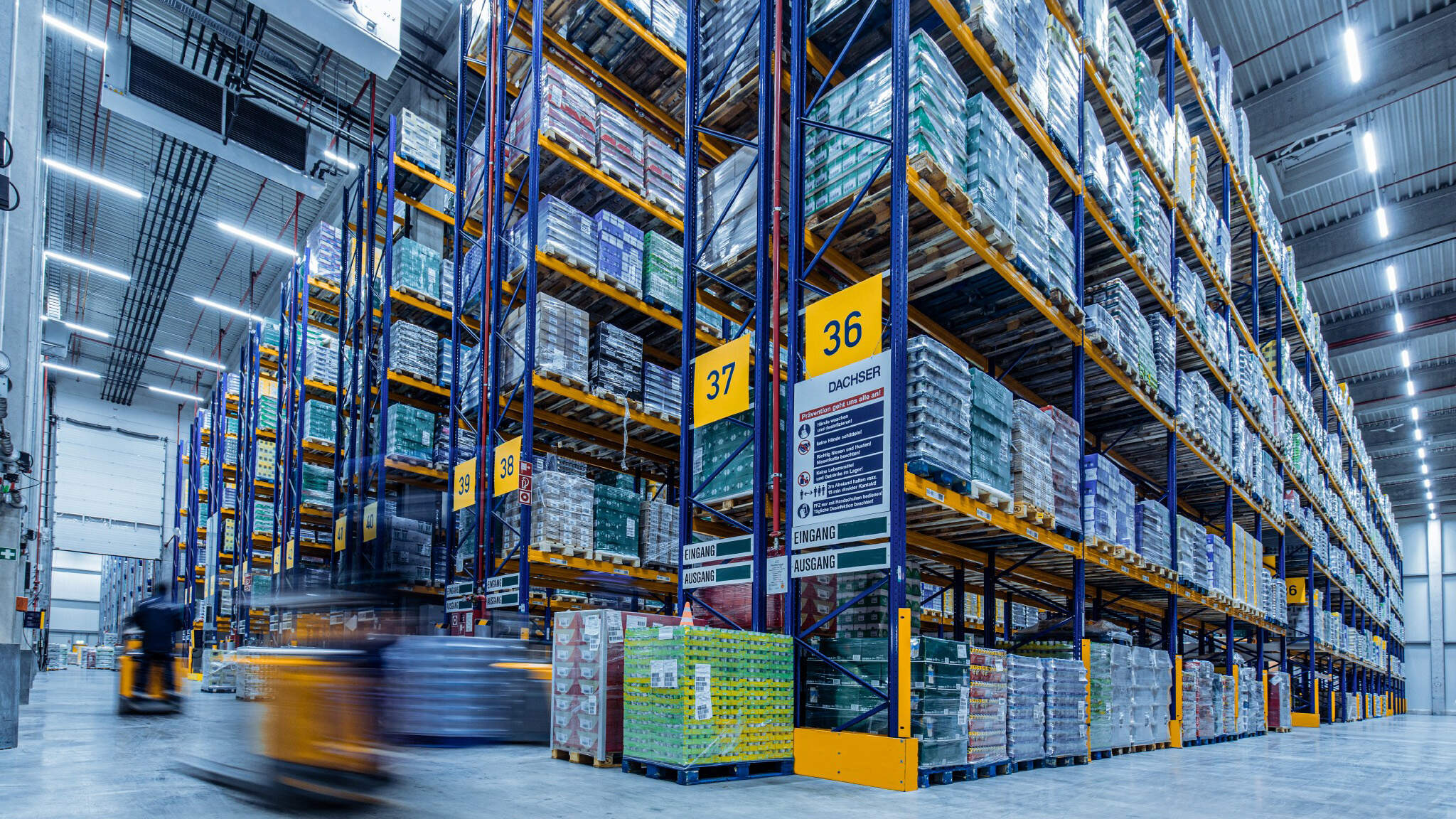
Efficient warehouse operations are crucial for any business involved in the storage and distribution of goods. From layout design and capacity planning to space optimisation and automation, numerous factors contribute to the overall efficiency of a warehouse. In this comprehensive guide, we’ll explore each aspect in detail, offering actionable insights to help you design and maintain a warehouse that maximises productivity and minimises costs.

Understanding Warehouse Layout

The Importance of Layout

The layout of a warehouse significantly impacts its efficiency. A well-designed layout ensures smooth movement of goods, minimises travel time, and reduces handling costs. It also enhances safety and maximises the use of available space.

Key Elements of Warehouse Layout Design

  1. Receiving Area: The receiving area should be strategically located near the main entrance to facilitate quick unloading of goods. It should have ample space for staging incoming shipments and inspecting goods for quality and accuracy.
  2. Storage Area: This is where goods are stored until needed. The storage area can be divided into different zones based on the type of goods, their storage requirements, and the frequency of access. Common storage systems include pallet racking, shelving, and mezzanine floors.
  3. Picking Area: The picking area is where items are selected for order fulfilment. It should be designed to minimise travel time and facilitate quick, accurate picking. Consider using flow racks, carton flow systems, and automated storage and retrieval systems (AS/RS) to enhance picking efficiency.
  4. Packing Area: The packing area is where items are packed for shipment. It should be close to the picking area to reduce the time spent moving items between picking and packing. Provide ample space for packing stations, packing materials, and finished orders.
  5. Shipping Area: The shipping area should be located near the loading docks to facilitate quick loading of outbound shipments. It should have sufficient space for staging packed orders and conducting final inspections before shipment.

Layout Design Tips

  • Optimise Aisle Width: Ensure aisles are wide enough to accommodate material handling equipment but not so wide that they waste space.
  • Implement Cross-Docking: Cross-docking minimises storage time by directly transferring goods from inbound to outbound shipments.
  • Use Vertical Space: Utilise vertical space with tall shelving and mezzanine floors to maximise storage capacity without expanding the warehouse footprint.

Capacity Planning and Space Optimisation

Assessing Capacity Needs

Capacity planning involves determining the amount of space required to store goods and manage warehouse operations efficiently. Consider factors such as inventory levels, turnover rates, and future growth projections.

Space Optimisation Strategies

  1. Slotting: Slotting involves organising inventory based on the frequency of access and picking patterns. Place high-demand items in easily accessible locations to reduce travel time and improve picking efficiency.
  2. Dynamic Storage: Implement dynamic storage systems that adapt to changing inventory levels and types. Examples include mobile racking, which allows racks to be moved to create temporary aisles, and vertical lift modules (VLMs), which adjust shelf heights to optimise space usage.
  3. Consolidation: Regularly review and consolidate inventory to free up space. Remove obsolete or slow-moving items and reallocate space to high-demand goods.
  4. Lean Inventory Management: Adopt lean inventory management practices to minimise excess inventory and optimise space utilisation. Techniques such as just-in-time (JIT) inventory and demand forecasting can help reduce the amount of space needed for storage.

Embracing Automation

Benefits of Warehouse Automation

Automation can significantly enhance warehouse efficiency by reducing labour costs, improving accuracy, and increasing throughput. Automated systems can handle repetitive tasks, freeing up employees to focus on more value-added activities.

Types of Warehouse Automation

  1. Automated Storage and Retrieval Systems (AS/RS): AS/RS systems use automated cranes or shuttles to store and retrieve items from storage racks. They are ideal for high-density storage and can significantly reduce picking times.
  2. Conveyor Systems: Conveyor systems transport goods throughout the warehouse, reducing the need for manual handling and minimising travel time.
  3. Automated Guided Vehicles (AGVs): AGVs are self-guided vehicles that transport goods within the warehouse. They can be used for tasks such as moving pallets, towing carts, and replenishing stock.
  4. Robotic Picking Systems: Robotic picking systems use robots to pick items from storage locations and place them into bins or totes for order fulfilment. These systems can improve picking accuracy and speed.
  5. Warehouse Management Systems (WMS): A WMS is a software solution that manages warehouse operations, including inventory management, order fulfilment, and shipping. A WMS can provide real-time visibility into inventory levels, optimise picking routes, and automate replenishment.

Implementing Automation

  • Assess Needs: Evaluate your warehouse operations to identify areas where automation can provide the most benefit.
  • Start Small: Implement automation gradually, starting with a single process or area. This allows you to test and refine the system before expanding.
  • Integrate Systems: Ensure automated systems are integrated with your WMS and other warehouse technologies for seamless operation.
  • Train Staff: Provide comprehensive training for employees on how to use and maintain automated systems.

Enhancing Warehouse Efficiency

Lean Warehousing Principles

Lean warehousing focuses on eliminating waste and optimising processes to enhance efficiency. Key principles include:

  • Value Stream Mapping: Identify and analyse all activities involved in the warehouse operation to identify areas of waste and opportunities for improvement.
  • Continuous Improvement (Kaizen): Encourage a culture of continuous improvement where employees are empowered to suggest and implement improvements.
  • Standardised Work: Develop standardised procedures for all warehouse activities to ensure consistency and efficiency.
  • 5S Methodology: Implement the 5S methodology (Sort, Set in order, Shine, Standardise, Sustain) to create an organised and efficient workspace.

Technology Integration

Integrating advanced technologies can further enhance warehouse efficiency:

  • Internet of Things (IoT): IoT devices can provide real-time data on inventory levels, equipment status, and environmental conditions. This data can be used to optimise operations and prevent issues before they occur.
  • Artificial Intelligence (AI): AI can be used for demand forecasting, inventory optimisation, and predictive maintenance. Machine learning algorithms can analyse historical data to predict future trends and optimise warehouse operations.
  • Blockchain: Blockchain technology can enhance supply chain transparency and security by providing a tamper-proof record of transactions and movements of goods.

Safety and Ergonomics

Ensuring Safety

Safety is a critical aspect of warehouse operations. Implementing safety measures not only protects employees but also reduces the risk of costly accidents and downtime.

  • Safety Training: Provide regular safety training for all employees, covering topics such as proper lifting techniques, equipment operation, and emergency procedures.
  • Signage and Labelling: Use clear signage and labelling to identify hazards, emergency exits, and safety equipment.
  • Equipment Maintenance: Regularly inspect and maintain equipment to ensure it is in safe working condition.
  • Safety Barriers: Install safety barriers and guardrails to protect employees from hazards such as moving vehicles and machinery.

Ergonomic Design

Ergonomics focuses on designing workspaces and tasks to minimise physical strain and improve employee comfort and productivity.

  • Workstation Design: Design workstations to minimise repetitive movements and awkward postures. Adjustable workstations can accommodate employees of different heights and preferences.
  • Material Handling Equipment: Use material handling equipment such as lift tables, conveyor belts, and pallet jacks to reduce the physical strain of lifting and moving heavy items.
  • Ergonomic Tools: Provide ergonomic tools such as anti-fatigue mats, cushioned floor surfaces, and ergonomic hand tools to reduce strain and improve comfort.

Sustainable Warehouse Practices

Energy Efficiency

Implementing energy-efficient practices can reduce operational costs and environmental impact.

  • Lighting: Use energy-efficient LED lighting and motion sensors to reduce energy consumption.
  • Climate Control: Implement energy-efficient climate control systems to maintain optimal temperature and humidity levels while minimising energy use.
  • Renewable Energy: Consider installing solar panels or other renewable energy sources to power your warehouse.

Waste Reduction

Reducing waste can improve efficiency and sustainability.

  • Recycling: Implement recycling programs for materials such as cardboard, plastic, and paper.
  • Packaging: Use reusable and recyclable packaging materials to reduce waste.
  • Inventory Management: Adopt inventory management practices that minimise excess inventory and reduce the risk of obsolete stock.

Sustainable Practices

  • Green Building Design: Design or retrofit your warehouse with sustainable materials and practices, such as rainwater harvesting, energy-efficient insulation, and green roofs.
  • Supply Chain Sustainability: Work with suppliers and partners to promote sustainability throughout the supply chain.

Technology to Support Warehouse Operations

Enhancing Receipting, Dispatch, Putaway, and Picking with Technology

Incorporating advanced technology is essential for optimising various warehouse operations, including receipting, dispatch, putaway, and picking processes. A robust Warehouse Management System (WMS) plays a pivotal role in streamlining these activities.

Warehouse Management Systems (WMS)

A WMS provides real-time visibility and control over inventory, enabling efficient receipting and dispatch processes. When goods arrive, the WMS can automate the receipting process, verifying quantities and conditions against purchase orders. For putaway, the system can generate optimal storage locations based on item attributes and current warehouse layout, reducing travel time and labour costs.

During picking, a WMS can guide workers through the most efficient routes, ensuring accurate and timely order fulfilment. Technologies such as barcode scanning, RFID tags, and voice-directed picking systems further enhance accuracy and speed.

Additionally, a WMS supports advanced inventory management by providing real-time data on stock levels, locations, and movements. This helps in maintaining optimal inventory levels, preventing stockouts and overstock situations. By integrating with other systems such as Enterprise Resource Planning (ERP) and Transportation Management Systems (TMS), a WMS can offer a comprehensive solution for managing the entire supply chain, from inbound logistics to outbound distribution.

Designing an efficient warehouse operation requires careful planning and consideration of various factors, from layout and capacity to automation and safety. By optimising each aspect of your warehouse, you can create a streamlined, cost-effective operation that meets the demands of your business and customers.
Implementing best practices in layout design, capacity planning, automation, safety, and sustainability will not only enhance efficiency but also create a safer and more comfortable work environment for your employees. As technology continues to evolve, staying abreast of the latest advancements and integrating them into your operations will ensure your warehouse remains competitive and capable of meeting future challenges.
By following the guidelines outlined in this comprehensive guide, you can design and maintain a warehouse that maximises productivity, minimises costs, and supports the long-term success of your business.
Workforce Planning & Scheduling

Challenges and Opportunities in Australian Aged Care Operations

May 2024
Explore the challenges and opportunities in Australian aged care operations, focusing on workforce strategy, planning, rostering, and operational structures. Understand how to navigate the complexities of both home care and residential care models.

The aged care sector in Australia faces a complex landscape of challenges and opportunities. With an ageing population, increasing demand for services, and evolving regulatory frameworks, the industry must continuously adapt to deliver high-quality care. This article explores key areas such as workforce strategy, workforce planning, rostering and scheduling, operational structures and KPIs, and contingent labour, highlighting the unique challenges across Australian home care and residential care models.

Workforce Strategy

Challenges:

  1. Aging Workforce: The aged care workforce itself is ageing, leading to higher retirement rates and a need for succession planning.
  2. Attracting Talent: The sector often struggles to attract new talent due to perceptions of low pay, high stress, and limited career progression.
  3. Retention: High turnover rates, often due to burnout and job dissatisfaction, exacerbate staffing shortages.

Opportunities:

  1. Career Pathways: Creating clear career progression paths can make aged care more attractive. Partnerships with educational institutions can support training and development.
  2. Diversity and Inclusion: Emphasising diversity in recruitment can open up new talent pools and enhance cultural competency within care teams.
  3. Technology Integration: Utilising technology for training and development can upskill the workforce and improve job satisfaction.

Workforce Planning

Challenges:

  1. Demand Forecasting: Accurately predicting future demand for services is difficult due to variable factors such as health trends and policy changes.
  2. Skill Mix: Ensuring the right mix of skills within the workforce to meet diverse client needs is complex.
  3. Geographic Disparities: Rural and remote areas face greater challenges in workforce planning due to limited local talent pools and higher operational costs.

Opportunities:

  1. Data Analytics: Leveraging data analytics can improve demand forecasting and workforce planning, leading to more effective resource allocation.
  2. Collaborative Approaches: Partnerships between government, private sector, and educational institutions can enhance workforce planning and address skill shortages.
  3. Remote Work Models: Implementing remote work and telehealth services can mitigate geographic disparities and improve access to care.

Rostering and Scheduling

Challenges:

  1. Complex Regulations: Navigating award conditions, penalty rates, and other regulatory requirements adds complexity to rostering and scheduling.
  2. Work-Life Balance: Balancing the needs of clients with staff preferences for work hours and locations is challenging.
  3. Last-Minute Changes: Unplanned absences and client needs often require last-minute adjustments, leading to inefficiencies and stress.

Opportunities:

  1. Automated Systems: Implementing advanced rostering and scheduling software can streamline processes, ensure compliance, and enhance flexibility.
  2. Flexible Rostering: Offering flexible rostering options can improve staff satisfaction and retention.
  3. Real-Time Adjustments: Real-time data and communication tools can enable quick adjustments to rosters, reducing disruptions and improving service delivery.

Operational Structures and KPIs

Challenges:

  1. Regulatory Compliance: Ensuring compliance with a complex web of regulations and standards can be resource-intensive.
  2. Consistency of Care: Maintaining consistency of care across different sites and care models is challenging.
  3. Resource Allocation: Efficiently allocating resources to meet varying levels of client need and acuity is difficult.

Opportunities:

  1. Integrated Care Models: Implementing integrated care models can improve service delivery and client outcomes by coordinating care across different providers and settings.
  2. Performance Measurement: Developing robust KPIs and performance measurement systems can drive improvements in quality and efficiency.
  3. Continuous Improvement: Adopting continuous improvement methodologies can enhance operational efficiency and service quality.

Contingent Labour

Challenges:

  1. Quality Control: Ensuring the quality and consistency of care provided by contingent labour can be difficult.
  2. Cost Management: Reliance on contingent labour can lead to higher operational costs.
  3. Integration: Integrating contingent workers into existing teams and workflows can be challenging.

Opportunities:

  1. Flexible Staffing Models: Using contingent labour strategically can provide flexibility to meet fluctuating demand and cover staff shortages.
  2. Training and Development: Investing in the training and development of contingent workers can improve care quality and integration.
  3. Partnerships: Building strong partnerships with staffing agencies can ensure access to a reliable and high-quality contingent workforce.

Unique Challenges Across Home Care and Residential Care Models

Home Care:

  1. Client Autonomy: Balancing the need for support with respect for client autonomy and independence.
  2. Remote Locations: Providing care in remote or isolated areas where access to services and resources is limited.
  3. Personalised Care: Customising care plans to meet the unique needs and preferences of each client while managing logistical and operational constraints.

Residential Care:

  1. Institutional Environment: Creating a homelike, person-centred environment within a regulated institutional setting.
  2. Complex Care Needs: Managing increasingly complex care needs of residents, including those with dementia and chronic illnesses.
  3. Family Involvement: Engaging families in care planning and delivery while navigating diverse expectations and dynamics.

Steps Aged Care Providers Should Take Before Embarking on a Technology Transformation Program in Rostering & Scheduling

Before launching a technology transformation program in rostering and scheduling, aged care providers should undertake several critical steps to ensure success. First, they should conduct a comprehensive needs assessment to identify current inefficiencies, pain points, and specific requirements unique to their organisation. Engaging with key stakeholders, including staff, clients, and management, is essential to gather diverse perspectives and foster buy-in. Providers should also evaluate and select the right technology solutions that align with their operational goals and integrate seamlessly with existing systems. A clear implementation plan, including timelines, training programs, and support structures, should be developed to facilitate a smooth transition. Additionally, setting measurable objectives and KPIs will help monitor progress and assess the impact of the new system. Finally, a robust change management strategy is crucial to address resistance, ensure staff engagement, and promote a culture of continuous improvement. By taking these steps, aged care providers can maximise the benefits of their technology transformation and enhance operational efficiency and service delivery.

The Australian aged care sector is at a crossroads, facing significant challenges but also substantial opportunities for innovation and improvement. By addressing workforce strategy, planning, rostering, and operational structures, and leveraging contingent labour effectively, the sector can enhance service delivery and client outcomes. Embracing technology, fostering collaboration, and committing to continuous improvement are key to navigating the complexities of home care and residential care models. With a strategic approach, the aged care industry can not only meet current demands but also build a sustainable and resilient future.
Asset Management and MRO

Challenges and Opportunities in Naval Supply Chains

May 2024
Discover the key challenges and opportunities in naval supply chains, including spare parts management, MRO, and fleet sustainment. Learn how the AUKUS partnership demands a significant uplift in Australia's naval capabilities.

The maritime domain is a critical component of global security and economic stability, and for Australia, with its vast coastline and strategic maritime interests, maintaining an effective and efficient naval supply chain is paramount. The naval supply chain encompasses the entire lifecycle of ships, submarines, and other vessels, from acquisition and construction to maintenance, repair, and operations (MRO), sustainment, and eventual decommissioning. In the context of the recent AUKUS partnership, which promises a significant uplift in capabilities, Australian supply chains must undergo a step change to meet new requirements and challenges.

Spare Parts and Inventory Optimisation

One of the most significant challenges in naval supply chains is the management of spare parts. Naval vessels, including ships and submarines, are complex systems with thousands of components. Ensuring the availability of the right spare parts at the right time is crucial to maintain operational readiness and fleet capability.

Challenges

  1. Complexity and Diversity: Naval vessels require a wide range of parts, from standardised components to highly specialised ones. The diversity and complexity of these parts make inventory management a daunting task.
  2. Lead Times and Obsolescence: Long lead times for specialised parts and the risk of obsolescence pose significant risks. Parts must often be sourced from a global supply chain, which can introduce delays and uncertainties.
  3. Forecasting and Demand Planning: Accurately forecasting the demand for spare parts is challenging due to the unpredictable nature of naval operations and the variability in component lifecycles.

Opportunities

  1. Advanced Analytics and Predictive Maintenance: Leveraging advanced analytics and predictive maintenance technologies can significantly improve forecasting accuracy. By analysing historical data and operational patterns, naval forces can better predict when and where spare parts will be needed.
  2. 3D Printing and Additive Manufacturing: These technologies offer the potential to produce spare parts on-demand, reducing dependency on traditional supply chains and mitigating risks associated with long lead times and obsolescence.
  3. Collaborative Supply Chain Networks: Building robust, collaborative networks with suppliers and other stakeholders can enhance responsiveness and flexibility. Such networks can facilitate better communication, coordination, and resource sharing.

Maintenance, Repair, and Operations (MRO)

MRO activities are critical to the sustainment and operational readiness of naval vessels. Ensuring that ships and submarines are maintained to the highest standards is essential for their longevity and performance.

Challenges

  1. Complex Maintenance Requirements: The maintenance of naval vessels involves intricate and time-consuming procedures, often requiring specialised skills and equipment.
  2. Resource Constraints: Limited availability of skilled personnel, dry docks, and maintenance facilities can create bottlenecks in the MRO process.
  3. Environmental and Regulatory Compliance: MRO activities must comply with stringent environmental regulations and safety standards, adding to the complexity and cost.

Opportunities

  1. Digital Twins and IoT: Implementing digital twin technology and IoT can enhance MRO by providing real-time monitoring and diagnostics. Digital twins allow for virtual replicas of physical assets, enabling predictive maintenance and reducing downtime.
  2. Remote Assistance and Augmented Reality: Using augmented reality (AR) and remote assistance technologies can help bridge the gap in specialised skills and knowledge. Experts can provide real-time guidance to maintenance crews, improving efficiency and accuracy.
  3. Sustainable Practices: Adopting sustainable MRO practices, such as using environmentally friendly materials and processes, can reduce the environmental impact and ensure compliance with regulations.

Sustainment and Fleet Capability

Sustainment involves the continuous support and upkeep of naval vessels to ensure they remain operationally effective throughout their service life. This includes everything from routine maintenance to major overhauls and upgrades.

Challenges

  1. Aging Fleet: As naval vessels age, they require more intensive and frequent maintenance, which can strain resources and budgets.
  2. Technological Advancements: Keeping pace with rapid technological advancements is challenging. Upgrading existing vessels with new technologies can be complex and costly.
  3. Supply Chain Resilience: Ensuring the resilience of the supply chain against disruptions, whether from geopolitical tensions, natural disasters, or other factors, is crucial for sustainment.

Opportunities

  1. Lifecycle Management: Implementing comprehensive lifecycle management strategies can optimise the sustainment of naval vessels. This involves planning for the entire lifecycle from the outset, including acquisition, maintenance, upgrades, and decommissioning.
  2. Modular Upgrades: Designing vessels with modular systems that can be easily upgraded can enhance fleet capability. This allows for the integration of new technologies without the need for extensive modifications.
  3. Enhanced Supply Chain Resilience: Building a resilient supply chain through diversification, risk management, and robust logistics planning can mitigate the impact of disruptions. This includes developing local capabilities and reducing reliance on single-source suppliers.

AUKUS and the Need for Capability Uplift

The AUKUS partnership between Australia, the United Kingdom, and the United States represents a significant opportunity for Australia to enhance its naval capabilities. This partnership includes the acquisition of nuclear-powered submarines and the development of advanced technologies. However, realising these capabilities requires a substantial uplift in the Australian naval supply chain.

Challenges

  1. Nuclear Expertise and Infrastructure: Developing the necessary expertise and infrastructure to support nuclear-powered submarines is a major challenge. This includes training personnel, establishing maintenance facilities, and ensuring regulatory compliance.
  2. Integration of Advanced Technologies: Incorporating advanced technologies such as AI, cyber warfare capabilities, and unmanned systems into the naval fleet requires significant investment and adaptation.
  3. Industrial Base Development: Building a robust industrial base capable of supporting the production, maintenance, and sustainment of advanced naval vessels is essential. This includes fostering innovation, supporting local industries, and developing a skilled workforce.

Opportunities

  1. Strategic Partnerships and Collaboration: Leveraging strategic partnerships with the UK and the US can facilitate knowledge transfer, joint research and development, and collaborative training programs. This can accelerate the development of the necessary capabilities and infrastructure.
  2. Investment in Education and Training: Investing in education and training programs to develop the required skills and expertise is critical. This includes specialised training for nuclear technologies, advanced manufacturing, and cybersecurity.
  3. Innovation and Technology Adoption: Embracing innovation and adopting cutting-edge technologies can enhance fleet capability and operational readiness. This includes developing indigenous capabilities in areas such as AI, robotics, and advanced materials.
  4. Economic and Industrial Growth: The AUKUS partnership presents an opportunity for economic and industrial growth in Australia. By developing a strong industrial base and fostering innovation, Australia can create high-value jobs and drive economic development.
The challenges and opportunities in naval supply chains are multifaceted and require a comprehensive approach to address. From managing spare parts and optimising inventory to enhancing MRO and sustainment practices, each aspect of the supply chain plays a critical role in maintaining fleet capability. In the context of the AUKUS partnership, Australia must undertake a significant uplift in its naval supply chain capabilities to meet new requirements and leverage the opportunities presented by this strategic alliance.

By embracing advanced technologies, fostering strategic partnerships, and investing in education and training, Australia can build a resilient and effective naval supply chain. This will not only enhance its naval capabilities but also contribute to regional security and economic stability. The road ahead is challenging, but with the right strategies and investments, Australia can rise to the occasion and secure its maritime interests for the future.

New Starter Reflection: Abby Hodgkiss

May 2024
Abby shares her initial impressions of the trace. team, the passion and drivers of the company and what it is like to work here!

Meet Abby Hodgkiss, Consultant - Sydney

As the latest addition to the growing team here at trace., I am delighted to share my initial impressions of the team, the passion and drivers of the company and what it is like to work here! As a recent graduate of a Bachelor of Mathematical and Computer Sciences degree, I wanted to begin my career in a company and industry which would fulfil my passions for problem solving, creative ideation, supporting clients through empathetic communication, and all in a collaborative, innovative and welcoming culture. I think it is safe to say I could not have landed a better position for just that!

Company culture

We all know that company culture is so much more than knockoff drinks and the occasional social activity. My first week has seen me meeting 1 on 1 with every member of the company, including partners Mathew, James and Shanaka who are nothing but smiles, encouragement and passion for their business and their team. I’ve jumped into many meetings, regularly given my input, contributed to work and proposals, and been lined up for delivery teams on upcoming projects. I feel the beauty of joining the small and growing team at trace. is that everyone is contributing and greatly passionate about all client work. The team appreciates all fresh ideas and perspectives, connecting on a friendship basis and are incredibly supportive. They celebrate every win, every completed proposal and bounce hopes and excitement off each other about all new opportunities, and back it with hard work and collaboration to make it happen.

Breadth of work

Utilising and refining the breadth of skills I learnt through my degree is important to me, but combining this with my passion for helping others and making technical concepts intuitive through clear and empathetic communication is key to me as well. My role at trace. involves all of these, including performing data analysis and drawing out key trends to optimise business practices, working directly with C-suite and operational employees in our client’s businesses. I am excited by the opportunity to bring forward my own ideas and see these incorporated into our processes, offerings or marketing opportunities. There is a large scope to utilise my programming skills in internal projects and to build tools for clients. As you can tell, there is plenty of opportunity for getting involved in a wide variety of undertakings and I certainly have not had a boring moment since commencing with trace.

We are all ‘people people’

From my first interview through to now, I have always felt comfortable, valuable and happy conversing with company employees and partners alike. This is not only beneficial news for future trace employees, but for our clients to know that the team supporting them with all of their supply and service chain needs are ‘people people’, collaborative, innovative and passionate about every project we work on. This is definitely a space to watch and I cannot wait to see where trace. goes next!

Abby Hodgkiss - Consultant

Sustainability

How Australian Supply Chains Can Impact Sustainability by Stealth through Operational Excellence

May 2024
Explore how Australian supply chains can subtly yet significantly impact sustainability by incorporating operational excellence into business practices. Learn about strategies, real-world examples, and the benefits of reducing waste and enhancing resource efficiency.

In the face of escalating environmental concerns and an increasing push towards sustainable practices, Australian businesses are under mounting pressure to integrate sustainability into their operations. Yet, not all sustainability measures need to be overt or headline-grabbing. By injecting operational excellence into their business practices, Australian supply chains can subtly but significantly impact sustainability. This approach allows companies to enhance their environmental footprint while also achieving cost reductions and operational efficiencies.

This article explores how Australian supply chains can influence sustainability through operational excellence, the principles and strategies involved, and real-world examples demonstrating the tangible benefits of this approach.

Understanding Operational Excellence

Operational excellence is the execution of business strategies more consistently and reliably than the competition, with lower operational risk, lower operating costs, and increased revenues relative to competitors. It's about fostering a culture of continuous improvement and efficiency across all areas of an organisation. When applied to supply chains, operational excellence involves optimising processes to minimise waste, reduce resource consumption, and enhance productivity.

Principles of Operational Excellence

  1. Continuous Improvement (Kaizen): A core principle of operational excellence is the commitment to continuous improvement. This involves regularly reviewing and refining processes to eliminate inefficiencies and enhance performance.
  2. Lean Thinking: Lean principles focus on creating more value for customers with fewer resources. This includes identifying and eliminating waste, whether in terms of materials, time, or effort.
  3. Six Sigma: Six Sigma is a set of techniques and tools for process improvement, aiming to reduce variability and defects. It helps ensure that processes are as efficient and effective as possible.
  4. Total Quality Management (TQM): TQM is a management approach centered on quality, based on the participation of all members of an organisation in improving processes, products, services, and the culture in which they work.
  5. Sustainable Practices: Integrating sustainability into operational excellence means considering the environmental impact of every decision and striving to reduce carbon footprints and resource consumption.

The Role of Australian Supply Chains in Sustainability

Australia's unique geographic and economic landscape presents both challenges and opportunities for sustainable supply chain management. The vast distances between cities and regional areas, coupled with a strong reliance on both domestic and international trade, mean that Australian supply chains are complex and resource-intensive. However, by embedding operational excellence into their supply chains, Australian businesses can make significant strides towards sustainability.

Reducing Carbon Footprint

Transportation is one of the most significant contributors to carbon emissions within supply chains. By optimising logistics and transportation routes, companies can reduce fuel consumption and emissions. For example, route planning software can help determine the most efficient delivery paths, reducing the distance traveled and fuel used.

Additionally, investing in greener transportation options, such as electric vehicles or alternative fuels, can further reduce the carbon footprint. Companies like Australia Post are leading the way by incorporating electric delivery vehicles into their fleets, demonstrating the potential for significant environmental benefits.

Minimising Waste

Waste reduction is another critical area where operational excellence can drive sustainability. In supply chain management, waste can take many forms, including excess inventory, packaging materials, and inefficiencies in production processes. By adopting lean principles, companies can identify and eliminate these waste sources.

For example, implementing just-in-time (JIT) inventory systems can reduce excess stock, minimising waste and storage costs. Likewise, optimising packaging materials to use less plastic or incorporate recyclable materials can significantly reduce environmental impact.

Enhancing Resource Efficiency

Operational excellence also involves making the best use of available resources. This includes optimising energy usage in warehouses and production facilities, utilising water more efficiently, and ensuring that raw materials are used effectively.

Energy-efficient practices, such as installing LED lighting, implementing smart energy management systems, and using renewable energy sources, can significantly reduce a company's environmental footprint. Similarly, water-saving technologies and practices can minimise water consumption in water-intensive industries, such as agriculture and manufacturing.

Promoting a Circular Economy

A circular economy aims to keep products, equipment, and infrastructure in use for longer, thus improving the productivity of these resources. Supply chains play a crucial role in promoting circular economy practices, such as recycling, remanufacturing, and refurbishing.

For instance, companies can design products with end-of-life disposal in mind, making them easier to disassemble and recycle. They can also establish reverse logistics systems to collect used products and materials for refurbishment or recycling. By doing so, businesses not only reduce waste but also create new revenue streams from recycled or refurbished products.

Real-World Examples of Sustainable Australian Supply Chains

Woolworths Group

Woolworths Group, one of Australia's largest retailers, has made significant strides in integrating sustainability into its supply chain operations. The company has committed to a range of sustainability initiatives, including reducing carbon emissions, minimising waste, and promoting responsible sourcing.

Reducing Carbon Emissions: Woolworths has set ambitious targets to reduce its carbon footprint, including achieving net-zero emissions by 2050. The company has invested in renewable energy projects, such as installing solar panels on store rooftops, and is transitioning its fleet to electric vehicles.

Minimising Waste: Woolworths has implemented numerous waste reduction initiatives, such as its partnership with TerraCycle to offer recycling solutions for hard-to-recycle items and its commitment to phasing out single-use plastics. The company also donates surplus food to food rescue organisations, diverting it from landfill and helping to address food insecurity.

Promoting Responsible Sourcing: Woolworths is committed to sourcing products sustainably and ethically. This includes working with suppliers to ensure sustainable farming practices, such as reducing water usage and promoting biodiversity, and ensuring that products are sourced in a way that respects human rights and fair labour practices.

BHP

BHP, one of the world's largest mining companies, is another example of an Australian company leading the way in sustainable supply chain management. BHP has integrated sustainability into its business practices, focusing on reducing its environmental impact and promoting responsible resource management.

Reducing Carbon Emissions: BHP has committed to reducing its operational greenhouse gas emissions and achieving net-zero emissions by 2050. The company is investing in low-emission technologies, such as carbon capture and storage, and increasing its use of renewable energy.

Enhancing Resource Efficiency: BHP is focused on improving the efficiency of its resource use, including water and energy. The company has implemented water-saving technologies at its mining sites and is working to improve energy efficiency through initiatives such as optimising equipment usage and implementing energy management systems.

Promoting a Circular Economy: BHP is also exploring opportunities to promote a circular economy within its operations. This includes recycling and reusing materials, such as scrap metal and used equipment, and working with suppliers to develop more sustainable products and packaging.

Lion

Lion, a leading beverage and food company in Australia, has made significant progress in embedding sustainability into its supply chain. The company is committed to reducing its environmental impact through initiatives focused on carbon reduction, waste minimisation, and responsible sourcing.

Reducing Carbon Emissions: Lion has set a goal to achieve net-zero carbon emissions by 2050 and is working towards reducing its operational emissions. The company is investing in renewable energy, such as solar power, and implementing energy-efficient practices in its production facilities.

Minimising Waste: Lion is committed to minimising waste across its operations. The company has introduced initiatives to reduce packaging waste, such as lightweighting packaging materials and increasing the use of recycled content. Lion also works with partners to recycle and reuse waste materials, such as using spent grain from brewing as animal feed.

Responsible Sourcing: Lion is focused on sourcing ingredients and materials sustainably and ethically. This includes working with suppliers to ensure sustainable farming practices and promoting the use of sustainable packaging materials.

Strategies for Injecting Operational Excellence into Business Practices

Embrace Technology and Innovation

Technology plays a critical role in enabling operational excellence and sustainability. By leveraging advanced technologies, such as the Internet of Things (IoT), artificial intelligence (AI), and blockchain, businesses can enhance visibility, traceability, and efficiency across their supply chains.

IoT and AI: IoT devices can collect real-time data from various points in the supply chain, such as production equipment, warehouses, and transportation fleets. This data can be analysed using AI to identify inefficiencies, predict maintenance needs, and optimise operations. For example, predictive maintenance can reduce equipment downtime and energy consumption, while AI-powered demand forecasting can improve inventory management and reduce waste.

Blockchain: Blockchain technology can enhance traceability and transparency in supply chains, ensuring that products are sourced and produced sustainably. By providing a secure and immutable record of transactions, blockchain can help verify the sustainability claims of suppliers and promote responsible sourcing practices.

Foster a Culture of Sustainability

Creating a culture of sustainability within an organisation is essential for achieving long-term success in operational excellence and environmental impact. This involves engaging employees, suppliers, and other stakeholders in sustainability initiatives and fostering a sense of shared responsibility.

Employee Engagement: Encouraging employees to participate in sustainability initiatives can drive meaningful change. This can be achieved through training programs, sustainability challenges, and recognition programs that reward employees for their contributions to sustainability goals.

Supplier Collaboration: Collaborating with suppliers is crucial for promoting sustainable practices across the supply chain. Businesses can work with suppliers to set sustainability standards, share best practices, and develop joint initiatives to reduce environmental impact.

Implement Sustainable Procurement Practices

Sustainable procurement involves considering environmental and social factors in purchasing decisions. By adopting sustainable procurement practices, businesses can influence the sustainability of their supply chains and promote responsible sourcing.

Supplier Assessment: Conducting assessments of suppliers' sustainability practices can help identify those that align with the company's sustainability goals. This can include evaluating suppliers' environmental impact, labour practices, and compliance with sustainability standards.

Green Purchasing: Prioritising the purchase of environmentally friendly products and materials can reduce the environmental footprint of supply chains. This can include sourcing products made from recycled or sustainable materials, choosing energy-efficient equipment, and selecting suppliers with strong sustainability credentials.

Measure and Report Sustainability Performance

Measuring and reporting sustainability performance is essential for tracking progress, identifying areas for improvement, and demonstrating accountability to stakeholders. Businesses can use key performance indicators (KPIs) and sustainability reporting frameworks to assess their environmental impact and communicate their achievements.

KPIs: Developing KPIs related to sustainability, such as carbon emissions, waste reduction, and resource efficiency, can help businesses monitor their performance and set targets for improvement. Regularly reviewing and analysing these metrics can inform decision-making and drive continuous improvement.

Sustainability Reporting: Transparent reporting of sustainability performance can build trust with stakeholders and showcase the company's commitment to sustainability. Businesses can use established reporting frameworks, such as the Global Reporting Initiative (GRI) or the Carbon Disclosure Project (CDP), to communicate their sustainability efforts and achievements.

Australian supply chains have a significant role to play in promoting sustainability by stealth through operational excellence. By optimising processes, reducing waste, and enhancing resource efficiency, businesses can achieve substantial environmental benefits while also realising cost reductions and operational efficiencies.

Through real-world examples, such as Woolworths, BHP, and Lion, we see how Australian companies are successfully integrating sustainability into their supply chain operations. By embracing technology and innovation, fostering a culture of sustainability, implementing sustainable procurement practices, and measuring and reporting sustainability performance, businesses can drive meaningful change and contribute to a more sustainable future.

Incorporating operational excellence into business practices is not just about achieving short-term gains; it's about creating a resilient and sustainable supply chain that can adapt to future challenges and opportunities. As Australian businesses continue to navigate the complexities of the modern market, the principles of operational excellence will be crucial in driving both economic and environmental success.

Change Management

Project and Change Management of Large Scale Transformations

May 2024
Uncover the vital role of supply chain consultants in large-scale transformations. Learn how their expertise in strategic planning, process optimisation, and change management drives cost reductions and operational efficiencies. Explore real-world examples of successful transformations.

How Supply Chain Consultants Can Help Project and Change Management of Large Scale Transformations

In today's rapidly evolving business landscape, large-scale transformations have become a necessity for companies striving to stay competitive. These transformations often encompass extensive changes in processes, technologies, and organisational structures. Navigating such complex transitions successfully is no small feat. This is where supply chain consultants play a crucial role. By leveraging their expertise, businesses can ensure that project and change management efforts yield tangible benefits in the form of cost reductions and operational efficiencies.

The Role of Supply Chain Consultants

Supply chain consultants are professionals with specialised knowledge in optimising supply chain processes. They offer a fresh perspective and bring a wealth of experience from various industries. Their role in project and change management involves a combination of strategic planning, process optimisation, and stakeholder management. Let's explore how supply chain consultants contribute to large-scale transformations.

Strategic Planning and Alignment

Assessing Current State and Defining Objectives

The first step in any large-scale transformation is to assess the current state of the organisation's supply chain. Supply chain consultants conduct comprehensive assessments to identify bottlenecks, inefficiencies, and areas for improvement. This involves analysing data, conducting interviews, and benchmarking against industry standards.

Once the current state is understood, consultants work closely with key stakeholders to define clear and achievable objectives. These objectives are aligned with the company's overall strategic goals. Whether the aim is to reduce costs, improve customer service, or enhance operational efficiency, having well-defined objectives is crucial for guiding the transformation process.

Developing a Roadmap

With objectives in place, supply chain consultants develop a detailed roadmap for the transformation. This roadmap outlines the steps needed to achieve the desired outcomes, including timelines, resource requirements, and key milestones. The roadmap serves as a blueprint for the entire transformation process, ensuring that all efforts are coordinated and aligned with the strategic vision.

Process Optimisation

Identifying and Eliminating Inefficiencies

One of the primary ways supply chain consultants contribute to cost reductions and operational efficiencies is by identifying and eliminating inefficiencies in existing processes. Through data analysis and process mapping, consultants pinpoint areas where resources are being wasted or where processes are unnecessarily complex.

For example, a consultant might identify redundant steps in the procurement process that can be streamlined to reduce lead times and costs. By simplifying workflows and eliminating non-value-added activities, businesses can achieve significant cost savings and improve overall efficiency.

Implementing Best Practices

Supply chain consultants bring a wealth of knowledge about industry best practices. They leverage this expertise to recommend and implement proven methodologies and technologies that can drive efficiency improvements. For instance, they might suggest adopting lean manufacturing principles, implementing advanced inventory management systems, or utilising predictive analytics for demand forecasting.

By incorporating best practices into the transformation process, businesses can achieve higher levels of efficiency and effectiveness. This not only leads to cost reductions but also enhances the company's ability to respond to changing market conditions.

Change Management

Engaging Stakeholders

Large-scale transformations often involve significant changes in processes, technologies, and organisational structures. These changes can be met with resistance from employees and other stakeholders. Supply chain consultants play a vital role in managing this resistance and ensuring that all stakeholders are engaged and supportive of the transformation efforts.

Effective change management begins with clear and transparent communication. Consultants work with leadership teams to develop communication strategies that articulate the reasons for the transformation, the expected benefits, and the impact on employees. By addressing concerns and providing regular updates, consultants help build trust and buy-in from stakeholders.

Training and Development

Another critical aspect of change management is ensuring that employees have the skills and knowledge needed to adapt to new processes and technologies. Supply chain consultants develop and deliver training programs that equip employees with the necessary competencies. This may involve hands-on training sessions, workshops, and e-learning modules.

By investing in employee development, businesses can minimise disruptions and accelerate the adoption of new practices. Well-trained employees are more likely to embrace change and contribute to the successful implementation of transformation initiatives.

Ensuring Business Benefits

Monitoring and Measuring Performance

One of the key challenges in large-scale transformations is ensuring that the anticipated business benefits are realised. Supply chain consultants play a crucial role in monitoring and measuring performance throughout the transformation process. They establish key performance indicators (KPIs) and metrics that track progress toward the defined objectives.

Regular performance reviews and audits help identify any deviations from the plan and allow for timely corrective actions. By maintaining a focus on KPIs, consultants ensure that the transformation efforts are on track and that the desired cost reductions and operational efficiencies are being achieved.

Continuous Improvement

The journey towards optimised supply chain processes doesn't end with the implementation of transformation initiatives. Supply chain consultants advocate for a culture of continuous improvement. They help businesses establish mechanisms for ongoing evaluation and refinement of processes.

Continuous improvement involves regularly reviewing performance data, soliciting feedback from employees and customers, and staying abreast of industry trends. By fostering a mindset of continuous improvement, businesses can sustain the benefits of the transformation and remain agile in the face of future challenges.

Real-World Examples

Case Study 1: Manufacturing Company

A large manufacturing company embarked on a transformation journey to improve its supply chain efficiency and reduce operational costs. The company engaged supply chain consultants to assess its current state and develop a comprehensive transformation plan.

Assessment and Objective Setting: The consultants conducted a thorough analysis of the company's supply chain processes and identified several areas for improvement, including excessive inventory levels, long lead times, and high transportation costs. They worked with the company's leadership team to set clear objectives, such as reducing inventory by 20%, shortening lead times by 15%, and lowering transportation costs by 10%.

Process Optimisation: The consultants implemented a series of process improvements, including optimising inventory management practices, renegotiating contracts with suppliers, and streamlining logistics operations. They also introduced advanced forecasting tools to enhance demand planning accuracy.

Change Management: To ensure successful implementation, the consultants developed a robust change management strategy. They conducted training sessions for employees to familiarise them with new processes and technologies. Regular communication updates kept stakeholders informed and engaged throughout the transformation journey.

Results: As a result of these efforts, the company achieved a 22% reduction in inventory levels, a 17% reduction in lead times, and a 12% reduction in transportation costs. The transformation not only yielded significant cost savings but also improved the company's overall operational efficiency and customer satisfaction.

Case Study 2: Retailer

A major retailer faced challenges in managing its supply chain operations, leading to high operational costs and frequent stockouts. The retailer enlisted the help of supply chain consultants to address these issues and drive a large-scale transformation.

Assessment and Objective Setting: The consultants conducted a detailed analysis of the retailer's supply chain, identifying key pain points such as inefficient warehouse operations, inaccurate demand forecasting, and high labour costs. They worked with the retailer's management team to establish objectives, including reducing warehouse operating costs by 15%, improving forecast accuracy by 10%, and lowering labour costs by 12%.

Process Optimisation: The consultants introduced a range of process improvements, such as implementing warehouse automation technologies, enhancing demand forecasting models, and optimising labour scheduling. They also recommended adopting an omnichannel fulfilment strategy to better meet customer demands.

Change Management: The consultants developed a comprehensive change management plan, which included training programs for warehouse staff, workshops for demand planners, and communication campaigns to keep all employees informed about the changes. They also established a feedback mechanism to address any concerns and make necessary adjustments.

Results: The retailer achieved a 16% reduction in warehouse operating costs, a 12% improvement in forecast accuracy, and a 14% reduction in labour costs. The transformation resulted in more efficient supply chain operations, improved product availability, and enhanced customer experience.

Large-scale transformations are essential for businesses to stay competitive in today's dynamic market environment. Supply chain consultants play a pivotal role in ensuring the success of these transformations by providing strategic planning, process optimisation, and effective change management. Through their expertise, businesses can realise significant cost reductions and operational efficiencies.

By engaging supply chain consultants, companies can navigate the complexities of large-scale transformations with confidence. From assessing the current state and defining objectives to implementing best practices and managing change, consultants provide invaluable support throughout the transformation journey. The result is a more efficient, agile, and competitive organisation that is well-positioned to thrive in the face of future challenges.

Investing in supply chain consulting services is not just a cost; it's a strategic investment that can deliver substantial returns in the form of cost savings and enhanced operational performance. As demonstrated by real-world examples, the benefits of engaging supply chain consultants are tangible and measurable. Businesses that prioritise effective project and change management with the help of supply chain consultants are better equipped to achieve their transformation goals and sustain long-term success.

Strategy & Design

How Supply Chain Consultants Can Help Organisations Reduce Costs and Improve Working Capital

May 2024
Learn how leveraging the expertise of supply chain consultants can streamline your operations, reduce various costs, and optimise your working capital, ensuring your business stays competitive and profitable.

In today’s competitive business environment, managing costs and improving working capital are crucial for sustaining profitability and growth. One effective strategy is to leverage the expertise of supply chain consultants. These professionals specialise in optimising supply chain operations, offering solutions that reduce fixed and variable costs, minimise transport expenses, and enhance working capital positions. This article delves into how supply chain consultants can provide these benefits to organisations.

Understanding Supply Chain Consulting

Supply chain consultants are experts in the design, implementation, and management of supply chains. They possess in-depth knowledge of logistics, procurement, production planning, inventory management, and transportation. Their primary goal is to identify inefficiencies and implement strategies that streamline operations, reduce costs, and improve overall performance.

Reducing Fixed Costs

Fixed costs are expenses that do not vary with production levels, such as rent, salaries, and insurance. Reducing fixed costs can significantly improve an organisation's profitability. Supply chain consultants employ various strategies to achieve this:

  1. Optimising Facility Utilisation:
    • By analysing the utilisation of facilities, consultants can identify underused spaces and suggest consolidation or reconfiguration to maximise efficiency. This can lead to reduced rental costs and better allocation of resources.
  2. Streamlining Processes:
    • Consultants review existing processes and identify areas where automation or process improvements can reduce labour costs. Implementing lean manufacturing principles, for example, can eliminate waste and enhance productivity.
  3. Outsourcing Non-Core Activities:
    • Supply chain consultants can help organisations identify non-core activities that can be outsourced. This reduces the need for in-house staff and associated overheads, thereby lowering fixed costs.

Reducing Variable Costs

Variable costs fluctuate with production levels and include expenses such as raw materials, packaging, and utilities. Supply chain consultants focus on several key areas to reduce these costs:

  1. Strategic Sourcing:
    • By conducting thorough market analysis, consultants can identify cost-effective suppliers and negotiate better terms. Strategic sourcing ensures that organisations get the best value for their money while maintaining quality.
  2. Inventory Management:
    • Optimising inventory levels is crucial for reducing carrying costs. Consultants use advanced forecasting and inventory management techniques to ensure that organisations maintain optimal stock levels, minimising excess inventory and associated costs.
  3. Improving Supplier Relationships:
    • Strong relationships with suppliers can lead to better pricing, payment terms, and service levels. Consultants facilitate collaboration between organisations and suppliers to foster mutually beneficial partnerships.
  4. Energy Efficiency:
    • Implementing energy-efficient practices in production and warehousing can significantly reduce utility costs. Consultants identify opportunities for energy savings, such as upgrading equipment or optimising energy use.

Minimising Transport Costs

Transport costs can be a substantial portion of an organisation's expenses, especially for those involved in distribution and logistics. Supply chain consultants employ several strategies to minimise these costs:

  1. Route Optimisation:
    • By analysing delivery routes, consultants can identify the most efficient paths, reducing fuel consumption and travel time. Advanced route optimisation software can also be utilised to plan optimal routes in real-time.
  2. Consolidation of Shipments:
    • Combining smaller shipments into larger ones can reduce transport costs. Consultants help organisations identify opportunities for consolidation, whether it’s through full truckload shipments or groupage services.
  3. Carrier Negotiation:
    • Consultants leverage their industry knowledge and relationships to negotiate better rates with carriers. This includes securing volume discounts, optimising freight classes, and ensuring competitive pricing.
  4. Adopting Intermodal Transport:
    • Using a combination of transport modes, such as rail and truck, can be more cost-effective than relying solely on one mode. Consultants analyse the logistics network to determine the best mix of transport modes.

Improving Working Capital Positions

Working capital is the difference between current assets and current liabilities and is a key indicator of an organisation’s financial health. Improving working capital positions can enhance liquidity and provide greater flexibility for growth and investment. Supply chain consultants help improve working capital through various means:

  1. Optimising Inventory Turnover:
    • High inventory turnover indicates efficient inventory management. Consultants implement strategies to increase turnover, such as just-in-time (JIT) inventory systems, reducing the capital tied up in stock.
  2. Enhancing Accounts Receivable:
    • Faster collection of receivables improves cash flow. Consultants advise on credit policies, collection processes, and customer relationship management to ensure timely payments.
  3. Extending Accounts Payable:
    • Delaying payments to suppliers without damaging relationships can improve cash flow. Consultants negotiate extended payment terms and implement efficient payables management systems.
  4. Implementing Demand Forecasting:
    • Accurate demand forecasting reduces the risk of overproduction and excess inventory. Consultants use advanced analytical tools to predict demand, aligning production and inventory levels with market needs.

Case Studies and Real-World Applications

Case Study 1: Retail Chain Optimises Inventory Management

A major Australian retail chain faced challenges with high inventory carrying costs and stockouts. Supply chain consultants conducted a thorough analysis of their inventory management practices and implemented a demand forecasting system combined with a just-in-time (JIT) inventory approach. This led to a 20% reduction in inventory carrying costs and a 15% decrease in stockouts, significantly improving their working capital position.

Case Study 2: Manufacturing Firm Reduces Transport Costs

An Australian manufacturing firm struggled with high transport costs due to inefficient route planning and underutilised shipment capacity. Supply chain consultants introduced route optimisation software and identified opportunities for shipment consolidation. As a result, the firm saw a 25% reduction in transport costs and improved delivery times, enhancing customer satisfaction.

Case Study 3: Pharmaceutical Company Enhances Supplier Relationships

A pharmaceutical company faced variable cost challenges due to volatile raw material prices. Supply chain consultants helped the company develop strategic sourcing practices and fostered stronger relationships with suppliers. By negotiating long-term contracts and better payment terms, the company achieved a 10% reduction in raw material costs and improved supply chain stability.

The Role of Technology in Supply Chain Optimisation

Technology plays a critical role in modern supply chain management. Supply chain consultants leverage various technologies to achieve cost reductions and improve working capital:

  1. Supply Chain Management Software:
    • Comprehensive software solutions provide visibility across the entire supply chain, enabling better decision-making and coordination. Features include inventory management, order processing, and supplier collaboration tools.
  2. Data Analytics and Business Intelligence:
    • Advanced analytics help organisations make data-driven decisions. Consultants use analytics to identify trends, forecast demand, and optimise operations.
  3. Automation and Robotics:
    • Automation reduces labour costs and increases efficiency. Consultants identify opportunities for automation in warehousing, production, and distribution.
  4. Internet of Things (IoT):
    • IoT devices provide real-time data on asset tracking, inventory levels, and equipment performance. Consultants use this data to enhance supply chain visibility and efficiency.
  5. Blockchain Technology:
    • Blockchain enhances transparency and security in supply chains. It can be used for tracking the provenance of goods, verifying transactions, and reducing fraud.

Benefits of Engaging Supply Chain Consultants

Engaging supply chain consultants offers several benefits beyond cost reduction and working capital improvement:

  1. Expertise and Experience:
    • Consultants bring a wealth of knowledge and experience across various industries. They understand best practices and emerging trends, providing valuable insights.
  2. Objective Perspective:
    • As external parties, consultants offer an unbiased view of an organisation’s operations. This objectivity helps in identifying issues that internal teams might overlook.
  3. Tailored Solutions:
    • Consultants develop customised strategies based on the specific needs and goals of the organisation. This ensures that the solutions are practical and effective.
  4. Implementation Support:
    • Beyond providing recommendations, consultants assist with implementing changes. This includes training staff, configuring systems, and monitoring progress.
  5. Continuous Improvement:
    • Supply chain consultants focus on continuous improvement. They establish key performance indicators (KPIs) and regularly review performance to ensure sustained benefits.

Choosing the Right Supply Chain Consultant

Selecting the right supply chain consultant is crucial for achieving desired outcomes. Organisations should consider the following factors:

  1. Industry Experience:
    • Look for consultants with experience in your specific industry. This ensures they understand the unique challenges and requirements of your sector.
  2. Proven Track Record:
    • Review case studies and client testimonials to gauge the consultant’s success in delivering results. A proven track record indicates reliability and effectiveness.
  3. Comprehensive Services:
    • Choose consultants who offer a broad range of services, from strategy development to implementation support. This ensures a holistic approach to supply chain optimisation.
  4. Technology Capabilities:
    • Ensure the consultant is proficient in the latest technologies and tools. This is essential for leveraging technology to achieve supply chain improvements.
  5. Collaborative Approach:
    • Effective supply chain optimisation requires collaboration. Select consultants who are willing to work closely with your team and foster a collaborative environment.
In an increasingly complex and competitive business landscape, managing supply chain costs and improving working capital positions are vital for organisational success. Supply chain consultants provide the expertise, strategies, and technological know-how to achieve these goals. By optimising fixed and variable costs, minimising transport expenses, and enhancing working capital, supply chain consultants can significantly contribute to an organisation’s profitability and growth. Engaging the right consultant ensures tailored solutions and sustained improvements, making them an invaluable asset for any business aiming to excel in their industry.
Sustainability

Maintaining Appropriate Structures and Controls in the Evidentiary Supply Chain for Investigations

May 2024
Optimising the design of warehouses where physical evidence is stored is another crucial aspect of maintaining the integrity of the evidentiary supply chain.

Maintaining Appropriate Structures and Controls in the Evidentiary Supply Chain for Investigations: Insights for Law Enforcement and Government Agencies

The integrity of the evidentiary supply chain is crucial for law enforcement and government agencies in conducting effective and just investigations. Any breakdown in this chain can lead to compromised cases, wrongful convictions, or the failure to convict guilty parties. This article explores the importance of maintaining rigorous structures and controls in the evidentiary supply chain, particularly focusing on the challenges and solutions within Australian law enforcement and government contexts.

Understanding the Evidentiary Supply Chain

The evidentiary supply chain encompasses all processes involved in the collection, storage, analysis, and presentation of evidence in criminal and civil investigations. This includes the initial collection of evidence at a crime scene, the processing of this evidence in laboratories, the storage and retrieval of evidence, and finally, its use in legal proceedings.

Maintaining integrity at each step is paramount, as any contamination, loss, or unauthorised alteration can undermine the entire investigation. This requires a multifaceted approach, integrating robust physical, procedural, and digital controls.

Key Challenges in Managing the Evidentiary Supply Chain

1. Chain of Custody

Maintaining an unbroken chain of custody is fundamental. Every movement and alteration of the evidence must be documented and traceable to prevent tampering and ensure its admissibility in court. Challenges arise due to human error, inadequate training, or systemic inefficiencies.

2. Technological Integration

As technology evolves, so does the nature of evidence. Digital evidence, such as emails, GPS data, and social media content, has become crucial. However, managing and authenticating digital evidence poses unique challenges due to its susceptibility to alteration. Ensuring the authenticity and integrity of digital evidence requires sophisticated technological solutions.

3. Resource Constraints

Resource limitations are a significant challenge, particularly for smaller agencies. Advanced forensic technologies and expert personnel are costly, and budget constraints can impede the acquisition of these critical resources.

4. Privacy Concerns

With the increase in surveillance capabilities and digital evidence collection, privacy concerns are more pronounced than ever. Balancing the need for thorough investigations with respect for individual privacy rights is a delicate task, requiring clear guidelines and rigorous oversight.

Optimising Warehouse Design to Maintain a Controlled Environment

Optimising the design of warehouses where physical evidence is stored is another crucial aspect of maintaining the integrity of the evidentiary supply chain. A well-designed warehouse not only facilitates efficient storage and retrieval of evidence but also ensures that all stored items are preserved in a controlled environment, minimising the risk of degradation over time. This involves controlling temperature, humidity, and light exposure, which can be particularly important for biological samples or sensitive digital devices. Moreover, security measures within these facilities must be stringent, with access strictly controlled through biometric scanners or electronic key cards to prevent unauthorised entry. Implementing state-of-the-art surveillance systems and motion detectors can further enhance security by monitoring and recording all activity within these spaces. Additionally, designing the layout to minimise handling and movement of evidence can reduce the risk of accidental damage or contamination. By focusing on these aspects, law enforcement and government agencies can significantly bolster the integrity and reliability of their evidentiary supply chains, ensuring that evidence is kept in optimal conditions until required for legal proceedings.

Best Practices for Strengthening the Evidentiary Supply Chain

1. Standardised Protocols

Developing and implementing standardised collection, storage, and processing protocols is critical. These protocols should be regularly updated to reflect the latest legal requirements and technological advances. Training and ongoing education for all personnel involved in the evidentiary supply chain are also essential to ensure these protocols are followed diligently.

2. Advanced Tracking Systems

Utilising advanced tracking systems can significantly enhance the chain of custody. Barcode scanning and RFID technologies allow for real-time tracking of evidence. These systems reduce human error and provide a reliable and efficient method of maintaining the chain of custody across different stages of the evidence lifecycle.

3. Robust Security Measures

Physical and digital security measures must be impeccable to protect evidence from tampering or theft. This includes secure storage facilities, restricted access, and comprehensive cybersecurity measures for digital evidence.

4. Independent Audits and Quality Control

Regular audits and quality control checks by independent bodies can help ensure compliance with established protocols and identify areas for improvement. These audits should assess both procedural adherence and the physical and digital security infrastructure.

5. Collaboration and Information Sharing

Collaboration between different agencies and jurisdictions can improve the management of the evidentiary supply chain. Sharing best practices, technologies, and training resources can help smaller agencies overcome resource constraints and enhance overall effectiveness.

Managing Evidence in an Electrified World: Challenges and Considerations

As the world increasingly shifts towards electrification, law enforcement and government agencies face unique challenges in managing and storing evidence that includes electric vehicles (EVs), electric scooters, and various electronic devices. One of the primary concerns is the safe storage of electric vehicles and scooters that may be damaged or repossessed. These vehicles often contain lithium-ion batteries, which pose significant fire risks if they are damaged, improperly stored, or reach the end of their lifecycle. Specialised facilities with capabilities to handle high-voltage batteries and mitigate risks of thermal runaway are essential.

Furthermore, the rapid evolution of technology and the proliferation of personal electronic devices introduce complexities in preserving digital evidence. These devices often contain critical information that can be lost if the devices are not properly handled or if data is not extracted in a timely manner. Ensuring that electronic devices are stored in environments that prevent data corruption — and where they are shielded from magnetic fields, static electricity, and humidity — is crucial.

Additionally, the integration of smart technology in these devices means that they are frequently updated, which can alter data or lock investigators out. Agencies must stay ahead with tools and training to interact with these technologies effectively without compromising data integrity. This evolving landscape demands continuous adaptation in the strategies and infrastructure used to manage and store electrified and electronic evidence securely and effectively.

The integrity of the evidentiary supply chain is foundational to the pursuit of justice by law enforcement and government agencies. In Australia, where the legal landscape continually adapts to new challenges and technologies, maintaining rigorous structures and controls is more critical than ever. By implementing robust protocols, leveraging technology, ensuring thorough training, and fostering inter-agency collaboration, these agencies can uphold the high standards required for justice to be served effectively and equitably.

This approach not only protects the rights of individuals but also enhances the credibility and effectiveness of the justice system as a whole. As we move forward, continuous improvement and adaptation will be key in navigating the complexities of the evidentiary supply chain in an increasingly digital and interconnected world.

Sustainability

Driving Operational Excellence in the Critical Minerals Supply Chain

May 2024
As the world pivots towards sustainable energy sources and technologies, the demand for critical minerals such as lithium, cobalt, nickel, and rare earth elements has surged.

Driving Operational Excellence in the Critical Minerals Supply Chain

The critical minerals sector is an increasingly vital component of the global economy, underpinning a variety of industries from technology and renewable energy to defence and aerospace. As the world pivots towards sustainable energy sources and technologies, the demand for critical minerals such as lithium, cobalt, nickel, and rare earth elements has surged. This demand places immense pressure on the supply chains tasked with extracting, processing, and delivering these minerals. For Australia, a leader in the mining sector, driving operational excellence within this supply chain isn't just beneficial—it's essential.

Understanding the Critical Minerals Landscape

Critical minerals are pivotal due to their essential role in high-tech applications and their supply risk concerns. They are integral to modern technologies like electric vehicles (EVs), wind turbines, and various electronic devices. However, the supply of these minerals is often concentrated in a few countries, which can lead to geopolitical risks and supply disruptions. Recognising these challenges, Australia has taken proactive steps to secure and expand its position in the global critical minerals market.

The Role of Technology in Enhancing Supply Chain Operations

Leveraging technology is crucial in enhancing the efficiency and sustainability of the critical minerals supply chain. Advanced data analytics, for example, can predict maintenance needs and process bottlenecks, reducing downtime and increasing productivity. Furthermore, implementing Internet of Things (IoT) sensors along the supply chain can provide real-time data on equipment status and environmental conditions, allowing for better decision-making and reduced operational risks.

Blockchain technology also presents a unique opportunity to improve supply chain transparency and traceability. By creating a tamper-proof record of the movement of minerals from extraction to final delivery, stakeholders can ensure compliance with ethical sourcing standards and reduce the risk of fraud.

Sustainable Practices: A Core Component of Operational Excellence

Sustainability is no longer just a buzzword in the mining industry; it's a business imperative. In the context of critical minerals, it involves environmentally responsible mining practices, efficient use of resources, and minimal environmental impact. For Australia, with its rich biodiversity and unique ecosystems, adopting sustainable mining practices is particularly crucial.

Water management is a significant aspect of sustainable mining. By using advanced water recycling and treatment technologies, mining operations can reduce their water usage and minimise their environmental footprint. Similarly, renewable energy sources, such as solar and wind, can be integrated into mining operations to decrease reliance on fossil fuels and reduce greenhouse gas emissions.

Strengthening Supply Chain Resilience

Resilience in the critical minerals supply chain involves the ability to anticipate, prepare for, respond to, and recover from disruptions. This could be anything from natural disasters and pandemic outbreaks to trade restrictions. Diversifying supply sources and investing in local processing facilities can help mitigate some of these risks. Additionally, forming strategic alliances and partnerships can provide buffer capacity and flexibility in the supply chain.

The Australian government and mining companies can also play a role in enhancing resilience by investing in workforce development and community engagement. Ensuring that the workforce is skilled and communities are supportive of mining activities not only contributes to smoother operations but also builds a buffer against operational disruptions.

Regulatory Frameworks and Policy Support

Effective regulatory frameworks are essential to govern the extraction and processing of critical minerals. These policies need to balance economic growth with environmental protection and social welfare. Australia's critical minerals strategy, which outlines the government's approach to growing the sector, is an excellent example of how policy can guide operational improvements across the supply chain.

Furthermore, international cooperation and alignment on regulatory standards can facilitate smoother trade and reduce bottlenecks in the global supply chain. As a leading supplier of critical minerals, Australia has a pivotal role in shaping these international standards and practices.

Driving operational excellence in the critical minerals supply chain is a complex, multi-faceted endeavour that requires a coordinated approach involving technology integration, sustainable practices, resilience building, and regulatory support. For Australia, a country at the forefront of the critical minerals industry, the stakes are particularly high. As global demand for these minerals continues to grow, so too does the opportunity for Australia to cement its position as a global leader in this critical sector. By focusing on innovation, sustainability, and strategic partnerships, Australia can enhance its supply chain operations and contribute to a more stable and sustainable global critical minerals market.
Strategy & Design

Enhancing Supply Chain Projects: Experience-led, Streamline, and Have Vision

May 2024
Enhancing Supply Chain Efficiency: Experience-led Strategies, Streamlining, and Visionary Innovation

In supply chain management, while foundational elements like scope, budget, and timeframe are essential, they alone are insufficient for success in today’s fast-paced environment. Projects that truly transform require deeper strategic focus: Experience-led understanding of future trends, Streamline of current operations, and the ability to Have Vision through innovative capabilities.

Experience-led: Anticipating the Future of Supply Chain

The supply chain sector is continuously evolving, influenced by rapid technological advancements and shifting market demands. Projects that do not account for these dynamic changes risk obsolescence upon completion. For example, it’s crucial for supply chain initiatives to forecast future technological platforms that could redefine existing business models, foresee increased automation, and prepare for stricter regulatory oversight of digital markets.

Experience-led Planning in Supply Chain Projects

Proactive supply chain projects incorporate experience-led planning to map out potential future scenarios. This involves predicting developments such as the integration of smart technologies, changes in consumer behaviors, and shifts in supplier relationships. By leveraging experienced foresight, projects can maintain relevance and adaptability over time.

Streamline: Streamlining Today’s Operations

In the realm of supply chain, complexity often impedes agility. Here, to streamline means more than reducing costs or simplifying processes—it encompasses a comprehensive review of organizational operations to identify and eliminate inefficiencies and redundancies.

Continuous Improvement for Operational Efficiency

Supply chain projects should continually aim to streamline processes as a fundamental objective. This continuous focus helps sustain operational efficiency and enhances the organisation's ability to respond to market changes swiftly. Success metrics for projects should extend beyond the usual time, budget, and scope to also include their impact on reducing overall business complexity.

Have Vision: Driving Innovation in Supply Chain

Innovative capabilities are crucial for driving forward-thinking supply chain management. Projects should seek to revolutionize relationships with suppliers and customers through new technologies and innovative strategies, creating substantial value.

Cultivating a Culture of Visionary Thinking

Each supply chain project should incorporate elements that inspire and motivate team members and stakeholders. Whether it’s the adoption of groundbreaking technology, exploration of new business models, or unique approaches to customer engagement, the objective is to instill a sense of innovation and possibility in every initiative.

Conclusion: A Call to Action for Transformative Change

The need for transformation in supply chain management is critical. Organisations must adopt a comprehensive approach to project management that includes experience-led insights into future trends, streamlined processes for current operations, and visionary innovations in capabilities. Such an approach ensures sustainable and significant changes, positioning organizations not just as participants in their industry but as leaders shaping its future.

Embracing Comprehensive Transformation

To prevent obsolescence, organizations must actively manage their transformations within the supply chain. This requires a balanced focus on envisioning future possibilities, optimizing current operations, and fostering continual innovation. Only through this multifaceted approach can organizations achieve a resilient and dynamic supply chain capable of meeting future challenges.

Technology

Introduction to Digital Twins in Supply Chain Management

April 2024
Discover how digital twin technology can revolutionize supply chain management, enabling organisations to simulate various scenarios for strategic planning. Learn how this innovative approach helps optimise costs, enhance responsiveness, and make informed decisions in complex supply networks.

In the dynamic world of supply chain management, the introduction of digital twins stands as a transformative advancement. A digital twin, in the context of a supply chain network, is a virtual replica of the physical supply chain. It encompasses all its elements—from warehouses and distribution centres (DCs) to transport routes and inventory levels. This innovative approach enables organisations, particularly those with complex supply chains, to simulate different scenarios and strategic planning initiatives. This article delves into how digital twins are revolutionising supply chain management, enhancing responsiveness, optimising costs, and driving strategic decisions in Australian businesses.

Understanding the Concept of a Digital Twin

A digital twin is more than just a digital model; it's a bridge between the physical and digital worlds. In supply chain management, this means mirroring the entire network, including every product, process, and node in the distribution channel. By harnessing data from various sources such as IoT devices, ERP systems, and customer feedback, digital twins allow managers to test changes, predict outcomes, and make informed decisions without disrupting actual operations.

The Role of Digital Twins in Strategic Planning

For organisations dealing with intricate supply chains, strategic planning is not just a necessity but a continuous challenge. Digital twins facilitate a proactive approach to this challenge by allowing companies to:

  • Simulate Demand Changes: Whether anticipating growth, forecasting slow-downs, or launching new products or geographic segments, digital twins enable companies to assess potential impacts and adjust their strategies accordingly.
  • Identify Cost Drivers: By providing a holistic view of the entire network, digital twins help pinpoint the true drivers of operating costs across fixed, variable, and transportation expenses.

Scenario Modelling and Simulation Techniques

Incorporating scenario modelling across different time horizons and growth profiles is a vital component of using digital twins in supply chain management. This approach enables organisations to not only plan for the immediate future but also anticipate long-term changes and challenges. By simulating various growth trajectories—ranging from rapid expansion to gradual increases or even declines—companies can assess the scalability and resilience of their supply chain infrastructure. This foresight is crucial for ensuring that operational capacities align with projected demand levels and market dynamics.

Additionally, the application of sensitivity analysis and Monte Carlo simulations enriches the strategic value of digital twins. Sensitivity analysis helps identify which variables have the most significant impact on outcomes, allowing managers to understand potential risks and make data-driven adjustments. Monte Carlo simulations, which use random sampling and statistical modelling to predict the probability of different outcomes, provide a robust framework for dealing with inherent uncertainties in supply chain management. These techniques collectively facilitate a deeper understanding of the potential variability in performance, enabling companies to develop more robust and flexible strategies that cater to a variety of future scenarios.

Benefits of Digital Twins in Supply Chain Management

1. Enhanced Coverage and Responsiveness in DC Networks

Digital twins enable businesses to evaluate the effectiveness of their distribution networks against varying demand scenarios. They can simulate the impact of opening new DCs or altering existing ones to improve service levels and reduce delivery times.

2. Informed Lease vs Buy Decisions

When it comes to acquiring warehouse assets, the decision to lease or buy can significantly impact financial flexibility and operational efficiency. Digital twins provide a detailed analysis of financial and operational metrics under different scenarios, aiding in making more strategic lease-vs-buy decisions.

3. Strategic Insights into Insource vs Outsource

Choosing between insourcing and outsourcing logistics operations is a critical strategic decision. Digital twins offer a scenario-based risk and benefit analysis, helping firms decide which option aligns best with their business objectives.

4. Improved Inventory Forecasting and Ordering

Accurate inventory management is crucial for minimising holding costs and avoiding stockouts. Digital twins integrate historical data and predictive analytics to refine inventory forecasting and ordering processes, ensuring optimal stock levels across the network.

5. Comparison between Manual and Automated Warehouse Operations

By simulating both manual and automated warehouse operations, digital twins allow businesses to assess the cost-effectiveness, efficiency, and scalability of automation within their warehousing functions.

6. Optimised Asset Utilisation

Digital twins aid in maximising the utilisation of assets such as warehouses, vehicles, and machinery. By analysing different utilisation scenarios, companies can make adjustments to improve ROI on fixed assets.

7. Enhanced Transport and Fleet Optimisation

Transport logistics can be one of the most volatile aspects of the supply chain. Digital twins help optimise fleet operations through route optimisation, load planning, and scheduling, thereby reducing fuel costs and improving delivery times.

Implementing a Digital Twin in Your Organisation

Implementing a digital twin requires a strategic approach that includes:

  • Data Integration: Establishing robust data feeds from all relevant sources to ensure the twin accurately reflects the physical supply chain.
  • Technology Investment: Investing in the right technology stack, including IoT, AI, and analytics platforms, to support the digital twin.
  • Skills Development: Building a team with skills in data science, analytics, and supply chain management to effectively use and interpret the twin’s outputs.
  • Change Management: Encouraging adoption across the organisation through effective change management and training programs.
Digital twins represent a significant leap forward in managing complex supply chains. By allowing organisations to simulate and forecast under various conditions, these virtual models enable more informed decision-making, leading to more responsive, cost-effective, and strategically aligned supply chain operations. As businesses in Australia and globally continue to face ever-changing market conditions, the adoption of digital twin technology will undoubtedly play a crucial role in maintaining competitive advantage and operational resilience.
Sustainability

Sustainable Supply Chains

April 2024
Learn how Trace Consultants can revolutionize sustainability in your supply chain, leveraging state-of-the-art technology and strategic insights to reduce environmental impact and boost efficiency.

The Importance of Sustainability in Supply Chains

In our increasingly environmentally conscious world, the sustainability of supply chains is vital not only for reducing ecological footprints but also for enhancing business viability and customer satisfaction. This article explores effective strategies for transforming supply chains into sustainable operations through advancements in infrastructure, automation, inventory optimization, and transportation efficiency.

1. Infrastructure and Assets for a Sustainable Future

Investing in sustainable infrastructure is the foundation for a green supply chain. Facilities built or upgraded to meet green standards such as LEED certification consume fewer resources and generate less waste. Sustainable assets might include renewable energy sources like solar panels, which reduce dependency on fossil fuels. Companies can also retrofit existing structures with energy-efficient systems, such as updated HVAC and lighting, to reduce both environmental impact and operational costs.

2. Enhancing Manufacturing Process Efficiency and Automation

Automating manufacturing processes not only enhances efficiency but also sustainability. By implementing precise, automated systems, businesses can minimize waste production and optimize resource use. Technologies like the Internet of Things (IoT) and artificial intelligence (AI) further refine these processes by providing data-driven insights that help streamline operations and prevent overproduction and material wastage.

3. Inventory Optimization

Proper inventory management is crucial for sustainable supply chain operations. Techniques like Just-In-Time (JIT) delivery reduce the need for extensive warehousing, thus saving energy and minimizing the risk of excess goods becoming waste. Advanced predictive tools powered by AI help maintain optimal inventory levels, ensuring that production aligns closely with demand to avoid both shortages and surpluses.

4. Transport Network and Fleet Optimization

Optimizing transportation logistics is critical for minimizing the environmental impact of supply chains. Implementing advanced routing software can significantly cut down on unnecessary travel, reducing fuel consumption and greenhouse gas emissions. Transitioning to electric or hybrid vehicles and integrating more carbon-efficient transportation modes like rail or shipping are also effective strategies for greening transport logistics.

5. Fleet Optimization

Fleet optimization ensures vehicles are maintained for peak performance, leading to reduced fuel usage and lower emissions. Modern fleet management systems also monitor driving practices, helping to reduce inefficient behaviors like excessive idling and speeding. Investing in newer, more efficient vehicles further enhances this effect, contributing to a greener supply chain.

How Trace Consultants Can Enhance Your Supply Chain Sustainability

Trace Consultants is adept at guiding organizations through the complexities of creating sustainable supply chains. With expertise in eco-friendly infrastructure development, cutting-edge automation, and efficient logistics practices, Trace Consultants can tailor solutions that fit your unique needs while aligning with sustainability goals. Trace consultants are sustainbility supply chain consultants.

They can help redesign your supply chain operations from the ground up, incorporating sustainable practices in every facet from procurement to product delivery. This includes advising on the best technologies for process automation, designing optimal layouts for warehouses and distribution centers to minimize energy use, and implementing robust inventory management systems that reduce waste and improve resource allocation. Furthermore, Trace's strategic planning extends to optimizing transport networks, selecting the most sustainable modes of transport, and transitioning fleets to greener alternatives.

Partnering with Trace Consultants not only ensures compliance with global sustainability standards but also positions your brand as a leader in corporate responsibility, enhancing your appeal to eco-conscious consumers and investors. With their comprehensive approach, Trace Consultants can transform your supply chain into a benchmark for sustainability in your industry.

Sustainable supply chains are no longer just an ideal to strive for; they are a necessity for modern businesses. By adopting more sustainable practices, companies not only help protect the environment but also enhance operational efficiencies and reduce costs. The journey to sustainability is complex, but with the expertise and guidance of Trace Consultants, businesses can navigate this path successfully, achieving both environmental and economic benefits. As the global economy moves towards greener practices, transforming your supply chain into a sustainable operation is a strategic move that secures a competitive advantage in today's market.
BOH Logistics

Optimising Hospital 'Back of House' Logistics

April 2024
Discover the strategic impact of improving back of house logistics in hospitals with Trace Consultants. From enhancing clinical outcomes to streamlining waste and linen management, see how your healthcare organisation can benefit.

In the complex environment of healthcare, the efficiency of hospital 'back of house' (BOH) operations is crucial for ensuring high standards of patient care and operational excellence. Hospital logistics, though often unseen, significantly impacts clinical outcomes, service level performance, and safety standards. Trace Supply Chain Consultants specialise in refining these operations to boost efficiency and effectiveness across healthcare organisations.

Enabling Consistency in Clinical Outcomes

Consistent clinical outcomes are the backbone of effective healthcare. This consistency largely depends on the seamless operation of back-of-house logistics, from the timely availability of medical supplies to the maintenance of critical medical devices. Efficient logistics support ensures that clinical staff have reliable access to the necessary tools and resources, minimising variability in patient care. Trace Consultants works with hospitals to streamline internal processes, ensuring that every element of the supply chain contributes positively to clinical outcomes.

Improving Service Level Performance

The availability of consumables and clinical products directly affects a hospital’s ability to provide responsive and reliable care. Challenges in inventory management can lead to critical delays and potential risks to patient health. Trace Consultants addresses these challenges by implementing advanced inventory management solutions that keep track of stock levels, expiry dates, and usage patterns. This not only ensures the availability of essential items when needed but also reduces the incidence of overstocking or stockouts.

Improving Operational Cost and Labour Efficiency

Operational costs and labour efficiency are pivotal in managing hospital resources effectively. Optimising back-of-house operations can lead to significant reductions in both areas. By redesigning workflow processes and integrating technology solutions, Trace Consultants helps hospitals achieve more with less—reducing the time and manpower needed for routine tasks, which frees up resources for direct patient care. This includes automating repetitive tasks and improving the layout of supply areas to minimise movement and save time.

Improving Safety for Staff

Safety in the workplace is non-negotiable, especially in hospitals where staff regularly handle clinical waste and engage in potentially hazardous tasks. Effective management of such risks is essential to maintain a safe working environment. Trace Consultants provides expertise in the proper disposal methods for clinical waste and the implementation of rigorous health and safety standards. By improving safety protocols and training, hospitals can minimise workplace injuries and create a safer, more efficient work environment for their staff.

Healthcare Procurement Efficiencies

Procurement processes in healthcare significantly influence the reliability and quality of medical supplies. Driving greater reliability from key suppliers through the use of key performance indicators (KPIs) is essential. Trace Consultants helps hospitals establish clear and measurable KPIs with suppliers to ensure timely deliveries and adherence to product quality and safety standards. This fosters stronger relationships with suppliers and promotes a more reliable supply chain, crucial for maintaining high standards of patient care.

Optimising for Waste, Linen, and Production Kitchen Support Services

Managing hospital waste, linen, and food services efficiently is vital for controlling costs and improving environmental sustainability. Trace Consultants assists hospitals in designing waste segregation systems that enhance recycling and reduce disposal costs. Additionally, by optimising linen management and kitchen operations, hospitals can significantly reduce operational costs and improve service delivery. These efficiencies not only contribute to a better environmental footprint but also ensure that resources are available for critical areas of patient care.

How Trace Consultants Can Assist

Trace Supply Chain Consultants offer comprehensive solutions to improve hospital back-of-house logistics. Through the design of physical infrastructure and the implementation of new operating models, Trace helps healthcare organisations streamline operations, enhance patient care, and achieve financial efficiency. Whether reconfiguring supply rooms for optimal flow or implementing cutting-edge inventory management systems, Trace’s expertise in healthcare logistics ensures that hospitals can focus on their primary mission: delivering exceptional patient care.

The role of back-of-house logistics in hospitals is pivotal for ensuring operational efficiency and high-quality patient outcomes. With the support of Trace Supply Chain Consultants, healthcare organisations can transform their BOH logistics into a strategic advantage. By enhancing service levels, improving safety, and optimising procurement and waste management, Trace Consultants empower hospitals to operate more effectively, making a direct positive impact on patient care and operational sustainability.
Supply Chain Project Management

Specialist Project Management: Mitigating Risks in Supply Chain Technology Implementations

April 2024
Explore how specialist project management can mitigate risks and ensure success in your supply chain technology implementations. From developing a solid business case to managing complex integrations, discover the pivotal role of expert project management at every step.

In today's fast-evolving business landscape, the implementation of advanced technology in supply chains can provide substantial benefits, including increased efficiency, reduced costs, and enhanced competitiveness. Whether it involves advanced planning systems, warehouse management systems, transport management systems, or automated warehouse technologies, integrating new supply chain technology can also pose significant risks. These risks can range from budget overruns and delayed timelines to system failures and operational disruptions. However, by leveraging specialist project management, businesses can effectively mitigate these risks, ensuring smooth and successful technology implementations.

Extending the Scope: Business Case Design, Requirements Definition, and Go-to-Market Strategy

Specialist project management not only enhances the implementation phase but also plays a crucial role much earlier in the project lifecycle, from the initial business case design to the functional and non-functional requirements definition and through to the go-to-market and selection processes. These preliminary stages are critical for setting a strong foundation for successful technology adoption and integration.

Business Case Design

Developing a compelling business case is the first step in any technology project and involves justifying the investment by outlining the benefits, costs, risks, and rewards. Specialist project managers contribute their expertise by ensuring the business case is robust and aligns with the strategic objectives of the company. They facilitate thorough financial analysis, including return on investment (ROI) forecasts, total cost of ownership assessments, and risk management plans. For instance, when considering an advanced planning system, a specialist project manager can help articulate how such a system will enhance forecasting accuracy, optimize inventory levels, and improve customer service levels, thereby justifying the initial investment.

Functional and Non-Functional Requirements Definition

Defining clear and comprehensive functional and non-functional requirements is essential to select the right technology solution that fits the business’s needs. Functional requirements detail what the system should do, such as the ability of a warehouse management system to integrate real-time data from IoT devices. Non-functional requirements focus on how the system operates, including scalability, performance, security, and usability criteria. Specialist project managers work closely with all stakeholders, including IT staff and end-users, to gather and consolidate these requirements. This collaborative approach ensures that the technology solution chosen is not only technically suitable but also user-friendly and aligned with business processes.

Go-to-Market & Selection

Once the business case is set and requirements are defined, moving to the go-to-market phase involves selecting the right vendor and technology solution. Specialist project managers play a pivotal role in this process by managing vendor evaluations, leading product demonstrations, and negotiating contracts. They ensure that the selection process is transparent and based on predefined criteria that align with the detailed requirements. This strategic approach helps prevent the selection of systems that are either over-engineered or insufficient for the business’s needs. Moreover, by overseeing the RFP (Request for Proposal) process, project managers can drive competitive pricing and favorable terms, ensuring the best value for the investment.

In each of these phases, specialist project management adds significant value, helping businesses navigate the complexities of technology projects from conception to completion. By applying their detailed knowledge and experience, specialist project managers ensure that each step is executed with precision, aligning with both immediate project goals and long-term strategic objectives. This comprehensive involvement not only mitigates risks but also maximizes the chances of a successful technology transformation in the supply chain.

The Role of Specialist Project Management in Technology Implementation

Specialist project managers are professionals with a deep understanding of both project management principles and the specific challenges of technology projects within the supply chain domain. These specialists are crucial for navigating the complexities of implementing sophisticated technologies such as warehouse automation or transport management systems. Their expertise helps in planning, executing, and monitoring projects to align with the strategic objectives of an organization while managing the myriad of risks associated with new technology integrations.

Strategic Planning and Risk Assessment

The first step in a successful implementation is thorough planning, which includes a comprehensive risk assessment. Specialist project managers work to identify potential risks at the earliest stages of a project—from software selection to hardware compatibility and user acceptance. For example, when implementing a Warehouse Management System (WMS), risks can include data inaccuracies, integration challenges with existing systems, or disruptions to daily operations. By identifying these risks early, project managers can develop strategies to mitigate them effectively, such as phased rollouts or conducting intensive end-user training sessions.

Stakeholder Alignment and Communication

One of the key contributions of specialist project managers is ensuring that all stakeholders are aligned with the project’s goals and understand the changes it will bring. This involves clear and consistent communication, which is essential when managing the expectations and responsibilities of various stakeholders, including technology vendors, internal IT teams, and operational staff. Effective communication helps in managing resistance to change, which is a common challenge in technology implementations. For instance, introducing an automated warehouse technology requires adjustments in work processes and roles, which can be met with resistance if not managed properly.

Resource Allocation and Budget Management

Resource allocation and budget management are critical aspects where specialist project management plays a vital role. These managers ensure that resources, whether time, budget, or human resources, are allocated efficiently. They track project spending against the budget and adjust forecasts based on actual project progress and issues that arise. This proactive approach prevents cost overruns and helps in making informed decisions about resource deployment, particularly in complex projects like the installation of an Automated Storage and Retrieval System (ASRS), where unexpected technical challenges can significantly impact costs.

Integration and Technical Oversight

For technology implementations in supply chains, integration with existing systems is often a significant challenge. Specialist project managers oversee the technical aspects of the project, working closely with IT teams and vendors to ensure that new systems integrate seamlessly with current infrastructure. Their technical oversight helps in anticipating integration issues, such as data inconsistencies or software incompatibilities, and addressing them before they escalate into major problems. Additionally, they manage the testing phases, ensuring that the technology performs as expected under various scenarios and rectifying bugs that could impede functionality.

Change Management and Training

Implementing new technology in the supply chain often requires changes to existing processes and may necessitate significant shifts in employee roles and responsibilities. Specialist project managers facilitate effective change management by planning and executing comprehensive training programs and ongoing support for all users impacted by the new systems. For example, when a new Transport Management System (TMS) is implemented, training programs tailored to dispatchers, logistics coordinators, and warehouse staff are crucial to ensure smooth adoption and operational continuity.

Monitoring and Continuous Improvement

After the deployment of a supply chain technology, the role of a specialist project manager extends into monitoring the system’s performance and leading continuous improvement efforts. This involves regular check-ins with system users, gathering feedback, and using this data to fine-tune the system. Continuous monitoring not only helps in optimizing the system’s performance but also ensures that it continues to meet the evolving needs of the business.

The integration of new technologies into supply chain operations can transform businesses, making them more competitive and efficient. However, the risks associated with such implementations can undermine their potential benefits. Specialist project management is critical in mitigating these risks, ensuring that the implementations are completed on time, within budget, and deliver the expected benefits. By handling everything from risk assessment and stakeholder communication to resource management and continuous improvement, specialist project managers play a pivotal role in navigating the complexities of supply chain technology implementations. Their expertise ensures that businesses can fully leverage new technologies to streamline operations and drive growth.
Procurement

Levers for Optimising Supply Chain Costs

April 2024
Discover effective strategies to reduce supply chain costs with our in-depth guide. Unlock the secrets to a leaner, more responsive supply chain.

In today's highly competitive business landscape, managing supply chain costs effectively is pivotal for maintaining profitability and achieving sustained success. Optimising these costs ensures that companies do not compromise on quality or customer satisfaction, providing them with a significant edge in the market. This in-depth guide delves into five critical levers that organisations can adjust to optimise supply chain costs: refining the network footprint, enhancing operational processes, fostering deeper supplier relationships, improving demand planning and inventory management, and strategically planning workforce requirements.

1. Optimising Network Footprint, Distribution Methods, and Fixed Asset Profiles

Network Footprint

A well-optimised network footprint dramatically cuts supply chain costs by strategically positioning production sites, warehouses, and distribution centres. For instance, placing a distribution centre closer to a cluster of customers reduces last-mile delivery costs and speeds up distribution. Analysis should include geographic mapping of demand hotspots, evaluation of trade-offs between real estate and transportation costs, and consideration of local regulations and workforce availability.

Distribution Methods

The choice of distribution methods has direct implications on efficiency and cost. For example, implementing cross-docking techniques where incoming shipments are unloaded directly into outbound trucks without storage can reduce handling times and warehousing costs. Similarly, evaluating modal shifts like moving from road to rail for long-distance hauls can offer substantial savings in fuel costs.

Fixed Asset Profiles

Optimising fixed assets involves not just maintaining but also right-sizing equipment and infrastructure according to current and future needs. Regular audits can identify underutilised assets or those due for upgrades to more efficient models, such as switching to automated storage and retrieval systems (ASRS) in warehouses to reduce labor costs and increase retrieval speeds.

2. Optimising Workflows and Operational Processes

Efficient workflows and streamlined operational processes are essential for minimising wasteful expenditures. Integrating advanced software solutions for enterprise resource planning (ERP) can automate and synchronise operations across departments, from procurement to production to shipping, enhancing visibility and coordination.

Lean Manufacturing

Adopting lean manufacturing techniques can eliminate waste through continuous improvement and just-in-time manufacturing, ensuring that resources are only used as needed and inventory costs are kept at a minimum. For instance, a kaizen event might streamline the assembly line to improve the ergonomics and reduce the time it takes to build a product.

3. Working Closely with Suppliers to Optimise 'End-to-End' Value

Developing strategic partnerships with suppliers can lead to better pricing models, innovations, and shared efficiencies. Companies should conduct regular performance reviews and engage in joint development activities to foster a sense of mutual investment in success.

Supplier Integration

For example, involving key suppliers early in the product design process can help in identifying cost-saving opportunities through design simplifications or alternate materials that meet performance requirements at a lower cost.

Vendor Managed Inventory (VMI)

With VMI, suppliers maintain ownership of the inventory until it is consumed or sold, which can significantly reduce inventory carrying costs for the buyer and streamline the replenishment process based on real consumption patterns.

4. Demand Planning and Inventory Optimisation

Effective demand planning ensures optimal production levels, avoiding excess stock and ensuring that capital is not unnecessarily tied up in inventory. Sophisticated forecasting tools that use historical sales data, seasonal fluctuations, and market trends can improve accuracy.

Simulation and Modelling

Simulation models can help predict the impact of market changes on demand and assess possible response strategies without risking real-world losses. These tools allow companies to test different scenarios and develop more responsive supply chain strategies.

Advanced Forecasting Techniques

Utilising advanced forecasting techniques and tools can dramatically improve the accuracy of demand planning. Machine learning models, for instance, can analyse large datasets to predict future demand patterns more accurately.

Inventory Optimisation Models

Inventory optimisation models help determine the optimal stock levels that a company should maintain to meet expected demand without overstocking. Techniques such as Economic Order Quantity (EOQ) and Just-In-Time (JIT) inventory can substantially lower holding costs and improve cash flow.

5. Workforce and Labour Planning to Optimise Headcounts

Strategic workforce planning involves aligning the workforce with the anticipated needs of the business, ensuring that staffing levels are appropriate and that employees are well-utilised but not overworked.

RACIs in Workforce Planning

Implementing Responsibility Assignment Matrix (RACI) charts can clarify roles and responsibilities in supply chain processes, ensuring that everyone knows their specific duties and how they fit into the broader operational context. For example, a RACI chart for a new product launch might specify who is responsible for sourcing new materials, who is accountable for budget approvals, who needs to be consulted in the design phase, and who should be informed about progress at each stage.

Technology Leveraging

Automation and advanced scheduling systems can further optimise labour usage by identifying the best times for production runs, maintenance, and other labour-intensive activities, ensuring that labour is used efficiently during periods of high demand.

Optimising supply chain costs requires a meticulous approach that integrates improvements across various dimensions of the business. By leveraging these five strategic levers and incorporating tools such as RACI for clear communication and role delineation, companies can not only reduce costs but also enhance service levels and customer satisfaction, securing a formidable competitive position in the global marketplace. Each lever, while powerful on its own, is most effective when implemented as part of a comprehensive, integrated approach to supply chain management.
Strategy & Design

Optimising Hospital BOH Logistics: A Key to Patient Care and Operational Excellence

April 2024
Unlock the potential of BOH logistics in healthcare—Boost patient care & cut costs with our expert strategies on loading docks, inventory management, and more.

Improving back-of-house (BOH) logistics in hospitals is not just a matter of enhancing operational efficiency; it's a critical strategy for significantly improving patient care, inventory availability, responsiveness, and operating costs. While the primary focus of healthcare institutions is to provide top-notch patient care, the role of effective logistics and supply chain management cannot be underestimated. The intricacies of loading dock design, dock to ward channels, central and satellite stores, production kitchens, linen logistics, and waste management design are all pivotal areas that, when optimized, can lead to a more efficient, cost-effective, and patient-centered healthcare delivery system.

Loading Dock Design

The loading dock serves as the heart of hospital logistics, acting as the primary reception point for goods and supplies. An efficiently designed loading dock minimizes congestion, ensures the swift unloading of goods, and facilitates the smooth flow of supplies into the hospital. This efficiency is critical for maintaining the availability of medical supplies, medications, and other necessities that directly impact patient care. An optimized design considers factors such as dock levellers, adequate space for trucks, and easy access for moving goods directly into storage or processing areas. By reducing delivery times and enhancing the handling process, hospitals can prevent shortages and ensure that vital supplies are always available.

Dock to Ward Channels

Once supplies are received at the loading dock, they must be distributed throughout the hospital efficiently. The design of dock to ward channels plays a crucial role in this process. Efficient channels ensure that supplies reach their intended destinations quickly and with minimal handling, reducing the risk of damage or delays. This direct impact on responsiveness and inventory availability means that patients receive the care they need without unnecessary waiting times. Moreover, streamlined dock to ward channels can significantly reduce the labor and costs associated with moving supplies, contributing to lower operating costs.

Central Stores and Satellite Stores

The strategic use of central and satellite stores within a hospital ensures that supplies are stored logically and are readily accessible when needed. Central stores act as the main repository for goods, offering bulk storage and serving as a hub from which supplies are distributed to various points of use. Satellite stores, located closer to specific wards or departments, hold smaller, more targeted inventories based on the unique needs of each area. This two-tiered approach allows for greater inventory control, reduces the distance that supplies need to be transported, and ensures that critical items are always at hand, thereby improving responsiveness and patient care.

Production Kitchens

In the context of hospital operations, production kitchens are not merely about food preparation; they are a vital component of patient care. Nutritious, timely, and dietary-specific meals can significantly impact patient recovery and satisfaction. Efficiently managed production kitchens, with a focus on workflow design and supply chain integration, ensure that meals are prepared and delivered in a timely manner, meeting the dietary needs of patients. Furthermore, optimizing kitchen operations can lead to cost savings through reduced waste and improved inventory management of food supplies.

Linen Logistics Design

The management of linen logistics is another critical aspect of hospital operations that directly affects patient care and satisfaction. Efficient linen logistics ensure that a constant supply of clean and sterilized linens is available to meet the needs of patients and healthcare providers. This includes sheets, towels, gowns, and other textile products. Optimizing the linen supply chain—from laundry services to storage and distribution—enhances patient comfort and hygiene while reducing operational costs through better inventory management and reduced waste.

Waste Management Design

Effective waste management is crucial for maintaining a safe and healthy hospital environment for patients, staff, and visitors. Properly designed waste logistics systems ensure the safe, efficient, and environmentally responsible disposal of medical and non-medical waste. This includes segregation, collection, and disposal processes that comply with health and safety regulations. An optimized waste management system reduces the risk of infection, contributes to a more pleasant hospital environment, and can lead to cost savings through recycling and waste reduction initiatives.

The integration of efficient back-of-house logistics in hospitals is a multifaceted strategy that significantly enhances patient care, inventory management, responsiveness, and operational costs. Each component, from loading dock design to waste management, plays a critical role in the overall effectiveness of hospital operations. By investing in and optimizing these logistical aspects, healthcare institutions can not only achieve higher levels of efficiency and cost-effectiveness but also, most importantly, provide better care and outcomes for their patients. The future of healthcare logistics lies in the continuous improvement and integration of these systems, leveraging technology and best practices to meet the evolving needs of patients and healthcare providers.
Sustainability

Navigating the Supply Chain Challenges in Australia's Energy Transition

April 2024
Explore the intricate supply chain challenges Australia faces in its ambitious energy transition. From scaling renewable production to modernising infrastructure and workforce adaptation, discover strategies for a sustainable energy future.

Australia's journey towards a sustainable energy future is underway, with ambitious targets to reduce carbon emissions and increase the reliance on renewable energy sources. This transition, however, is not without its challenges. The shift from fossil fuels to renewable energy sources such as solar, wind, and hydro necessitates significant changes in the supply chain infrastructure, from manufacturing and procurement to logistics and distribution. This article explores the key supply chain challenges that Australia faces in its energy transition and outlines strategies to navigate these hurdles effectively.

1. Scaling Up Renewable Energy Production

Challenge: Material and Component Supply

The scaling up of renewable energy production requires a vast amount of raw materials and specialised components, from solar panels and wind turbine blades to batteries for energy storage. Australia must establish a robust supply chain to secure these materials and components, which are currently dominated by overseas manufacturers, particularly in Asia. The reliance on international suppliers introduces risks such as supply chain disruptions, tariffs, and geopolitical tensions.

Strategy: Developing Local Manufacturing Capabilities

To mitigate these risks, Australia can invest in developing local manufacturing capabilities for renewable energy components. This would not only reduce dependency on international suppliers but also spur job creation and economic growth within the country. Government incentives, research and development, and partnerships between the public and private sectors could be key drivers in building a resilient local manufacturing base.

2. Infrastructure and Grid Integration

Challenge: Upgrading the Grid

The integration of renewable energy into the national grid poses significant challenges. Australia's current grid infrastructure was designed for centralised power generation, primarily from fossil fuels. The distributed nature of renewable energy sources, such as wind and solar farms, requires a rethinking of the grid design to manage the variable power output and ensure reliability and stability.

Strategy: Investing in Grid Modernisation and Energy Storage

Investments in grid modernisation are crucial to enhance its capacity and flexibility. This includes upgrading transmission lines, enhancing connectivity between regions, and deploying smart grid technologies to better manage energy flows. Additionally, investing in energy storage solutions like batteries and pumped hydro can help balance supply and demand, addressing the intermittency of renewable energy.

3. Workforce Transition

Challenge: Skills Gap

The energy transition will inevitably lead to a shift in workforce requirements. The declining coal industry, for example, will impact communities dependent on these jobs, while the growing renewable sector will demand new skills in areas like renewable energy technology, grid modernisation, and energy efficiency.

Strategy: Focused Training and Reskilling Programs

To address this challenge, Australia needs to implement focused training and reskilling programs for workers transitioning from traditional energy sectors to renewables. These programs should be developed in collaboration with industry stakeholders to ensure they meet the specific needs of the emerging energy sector. Government support, in the form of funding and policy frameworks, will also be essential to facilitate this workforce transition.

4. Regulatory and Policy Framework

Challenge: Coherent Policy Support

The energy transition is a complex process that requires a coherent and consistent policy framework to guide and support the shift. Currently, Australia faces challenges in this area, with sometimes conflicting policies at the federal and state levels, and uncertainty around long-term energy and climate goals.

Strategy: Developing a Unified National Energy Strategy

To overcome this challenge, Australia needs a unified national energy strategy that clearly outlines the path towards a renewable energy future. This strategy should include stable and long-term policy measures to support renewable energy adoption, grid upgrades, and workforce transition. It should also promote collaboration between different levels of government, as well as between the public and private sectors.

Australia's energy transition is a monumental task that presents significant supply chain challenges, from securing materials for renewable energy production to upgrading the national grid and transitioning the workforce. However, by developing local manufacturing capabilities, investing in infrastructure modernisation, focusing on training and reskilling programs, and establishing a coherent policy framework, Australia can navigate these challenges effectively. The journey towards a sustainable energy future is complex, but with strategic planning and collaboration, Australia can achieve its ambitious energy and climate goals, ensuring a resilient and sustainable energy supply for future generations.
Technology

The Convergence of Adjacencies: A Catalyst for Supply Chain Innovation and Disruption

April 2024
Uncover the power of cross-industry convergence in transforming supply chains. Discover historical breakthroughs and the endless possibilities for innovation by merging ideas from adjacent fields.

In the dynamic world of supply chains, the intersection of seemingly unrelated industries and technologies often sparks significant innovation and disruption. This phenomenon, known as the convergence of adjacencies, has historically been a driving force behind transformative changes in how goods are produced, moved, and delivered. From the advent of container shipping to the digital revolution transforming logistics, the fusion of ideas from different realms has reshaped supply chains worldwide. In this exploration, we delve into how these convergences have catalysed groundbreaking innovations, with a focus on historical examples and the lessons they offer for the future.

The Birth of Container Shipping: A Convergence Masterpiece

One of the most iconic examples of innovation through convergence is the creation of container shipping by Malcom McLean in the 1950s. McLean, originally a trucking magnate, envisioned a seamless transport system that could move goods from factories to ships to stores without unloading and reloading the cargo. His idea to use standardized shipping containers transformed not only the shipping industry but also global trade. This breakthrough was not merely an advancement in maritime transport; it was a convergence of road, rail, and sea transport methodologies, leading to unprecedented efficiency and scale in global logistics.

The Digital Revolution: Blurring Industry Boundaries

The digital revolution has further exemplified how technological advancements in one area can transform operations in another. The adoption of the Internet of Things (IoT), Artificial Intelligence (AI), and blockchain technology in supply chain management are prime examples. These technologies, developed initially for consumer electronics, computing, and finance, have found vital applications in tracking, managing, and securing supply chains. IoT devices enable real-time tracking of goods, AI optimises logistics and forecasting, and blockchain offers a secure and transparent way to document transactions and certifications across the supply chain. The convergence of these digital technologies has not only disrupted traditional supply chain practices but also paved the way for innovations such as smart contracts and automated warehouses.

E-Commerce: A New Retail Paradigm

The rise of e-commerce is another disruption born from converging adjacencies, marrying retail with cutting-edge digital technologies. Online shopping platforms, powered by sophisticated logistics and data analytics, have transformed consumer expectations and the retail landscape. The ability to order products online and have them delivered the same day or the next is a direct result of innovations in logistics, inventory management, and digital payment systems. This convergence has necessitated the development of advanced supply chain strategies, including omnichannel distribution, dropshipping, and micro-fulfilment centres, to cater to the fast-paced world of online retail.

Sustainable Supply Chains: An Interdisciplinary Approach

Sustainability in supply chains illustrates how environmental science and supply chain management are converging to address global sustainability challenges. Innovations such as circular supply chains, which redesign the lifecycle of products to minimise waste and maximise reuse and recycling, are at the forefront of this convergence. Technologies enabling supply chain sustainability, including advanced materials science for packaging, renewable energy sources for logistics, and digital platforms for supply chain transparency, reflect the interdisciplinary approach necessary to tackle environmental issues.

Lessons for the Future: Embracing Convergence

The historical examples of supply chain innovations underscore the importance of looking beyond traditional industry boundaries for inspiration and advancement. As we navigate the complexities of today’s global supply chains, the principle of convergence offers several key lessons:

  • Cross-Industry Collaboration: Actively seek partnerships with entities outside the traditional supply chain sphere. Collaborations between tech companies, environmental organisations, and logistics providers can foster innovative solutions to complex supply chain challenges.
  • Open Innovation: Adopt an open stance towards innovation, where ideas and technologies can freely cross-pollinate between industries. This approach can accelerate the development of transformative supply chain solutions.
  • Agility and Adaptability: Supply chains must remain agile and adaptable to incorporate new technologies and methodologies from adjacent sectors. This agility is crucial for staying ahead in a rapidly changing global market.
The convergence of adjacencies has historically been a fertile ground for supply chain innovations, driving efficiency, sustainability, and resilience in global trade and logistics. By embracing cross-industry collaboration and maintaining an open, agile approach to innovation, supply chain managers can continue to harness the power of convergence to navigate the disruptions and opportunities of the future. As we look ahead, it’s clear that the boundaries between industries will continue to blur, offering endless possibilities for those ready to explore and exploit these convergent frontiers.
Warehousing & Distribution

Crafting a Future-Proof Supply Chain Organisational Design

April 2024
Unlock the secrets to a resilient, efficient supply chain. Learn about workforce strategy, operating model design, and the balance between insourcing and outsourcing. Tailor your supply chain for future success.

In today's dynamic business environment, the supply chain extends beyond a mere backend operation; it emerges as a pivotal competitive edge. However, sculpting a supply chain that marries efficiency with resilience demands a considered approach to organisational design. This task is not only about structuring the supply chain to satisfy present demands but also about forecasting and prepping for future hurdles and opportunities. Our exploration delves into the core facets of supply chain organisational design, such as operating model design, workforce strategy, the debate between insourcing and outsourcing, capability gap assessment, the crafting of job roles, and the enactment of the RACI framework. Furthermore, we underscore how the organisational context—be it a quest for growth necessitating scalability or a crunch for cost leading to a drive for efficiency and resilience—can significantly mould these design principles.

Operating Model Design: Warehouse, Transport, and Operations

An efficacious supply chain organisation is rooted in its operating model, which encompasses warehouse logistics, transportation, and overarching operations management. The blueprinting of this model necessitates an intimate grasp of the company's strategic pursuits. For instance, a business eyeing growth may lean towards scalability and adaptability in its warehouse operations, potentially opting for expansive facilities decked with cutting-edge automation tech. In contrast, a firm grappling with cost pressures might zero in on optimising existing assets, deploying lean inventory stratagems, and securing more cost-effective transportation agreements to pare down overhead.

Warehouse Operations

The linchpin of proficient warehouse operations lies in strategic layout planning, adept inventory management, and the seamless integration of technology. The deployment of automation, through robotics and AI-managed systems, can significantly uplift productivity and precision. Nonetheless, these tech investments must resonate with the company's long-term strategic vision and capacity planning.

Transportation and Logistics

The transportation strategy is equally paramount, entailing mode selection, route optimisation, and forging solid carrier alliances. Leveraging advanced analytics can illuminate the most economical transport modes and routes, yet this demands a workforce skilled in data interpretation and strategic decision-making.

Operations Management

Operations management acts as the glue binding everything together, with a spotlight on process efficiency, quality assurance, and the ethos of continuous improvement. The objective is to ensure the supply chain operates as a unified, nimble entity, ready to pivot in response to market flux.

Workforce Strategy & Composition

The cornerstone of any potent supply chain is its workforce, underpinned by a well-conceived blend of skills and roles tailored to operational objectives. This includes navigating the intricate balance between insourcing and outsourcing and the nuanced mix of full-time, part-time, casual, and contingent labour.

Insource vs. Outsource

The insource versus outsource conundrum is layered, shaped by cost considerations, the desire for control, expertise, and scalability. Insourcing can foster greater alignment with the company ethos and quality benchmarks but necessitates substantial investment in recruitment, training, and infrastructure. Outsourcing, meanwhile, offers adaptability and access to specialised skill sets, albeit with potential trade-offs in quality oversight and communication fluidity.

Labour Mix

Crucial to the workforce strategy is striking the right chord in the mix of full-time, part-time, casual, and contingent workers. This balance is pivotal for managing labour costs effectively while ensuring the workforce remains responsive and adaptable to changing demands. Full-time employees provide stability and in-depth knowledge of operations, while part-time and casual workers offer flexibility to scale labour in response to fluctuating workloads. Contingent labour, including freelancers and contractors, allows companies to tap into specialised skills on an as-needed basis, offering a blend of expertise without the commitment of full-time hires. This nuanced approach to workforce composition is integral to a resilient and efficient supply chain, ensuring the right skills are available at the right time and in the right proportion.

Team Capability Gap Assessment and Training Needs Assessment

Identifying and bridging capability gaps within the team is vital for perpetual advancement. This entails evaluating the existing workforce's skills and knowledge against the competencies required to realise strategic ambitions. Subsequently, a training needs assessment can spotlight specific development areas, fortifying the organisation's capacity to embrace new technologies, methodologies, and market shifts.

Job Roles and Description Design

The articulation of clear, comprehensive job roles and descriptions is pivotal for organisational lucidity and employee morale. This clarity is instrumental in a supply chain milieu, where cross-functional synergy is crucial for operational fluency.

RACI Framework Implementation

The RACI framework (Responsible, Accountable, Consulted, Informed) serves as an invaluable tool for demarcating roles and responsibilities within supply chain processes. Its implementation can streamline decision-making, mitigate overlaps and responsibility voids, and enhance inter-team and departmental communication.

The Influence of Organisational Context

The aforementioned design tenets are not universally applicable; they necessitate customisation to the unique backdrop of the organisation. Whether the goal is scaling for growth or honing efficiency, the strategic approach to supply chain organisational design must be in harmonious alignment with the company’s overarching objectives and situational demands.

Designing a robust supply chain organisation is a complex yet crucial endeavour. It mandates a strategic orientation towards operating model design, workforce strategy, and the nuanced balance between insourcing and outsourcing. Additionally, recognising the significance of team capability, precise role definition, and the RACI framework is essential for operational triumph. Nonetheless, the quintessence of supply chain organisational design lies in its congruence with the strategic imperatives and contextual nuances of the company. Through a comprehensive and strategic approach to supply chain organisational design, businesses can forge a supply chain that not only confronts today's challenges head-on but is also well-equipped for the opportunities and trials of tomorrow.
Warehousing & Distribution

How Optimized Warehouse Design and Technology Elevate Business Efficiency and Service

April 2024
The optimization of warehouse space, layouts, and workflows plays a crucial role in enhancing the efficiency of receive, pick, pack, process, and dispatch operations.

In today’s fast-paced market, the efficiency of warehouse operations directly impacts a business's ability to serve its customers effectively, manage operating costs, and maintain competitive advantage. The optimization of warehouse space, layouts, and workflows plays a crucial role in enhancing the efficiency of receive, pick, pack, process, and dispatch operations. Moreover, the integration of new technologies—from automation in warehouse operations to advanced order and warehouse management systems—is revolutionizing how businesses manage inventory, fulfill orders, and respond to customer demands. This article delves into how effectively designed warehouse spaces and the adoption of new technologies can significantly boost labor efficiency and overall service performance. Additionally, we will explore how trace consultants can assist organizations in modeling their warehouse capacity requirements, determining the optimal network configuration, and designing efficient workflows.

The Impact of Warehouse Design on Efficiency

Space Optimization

Efficient warehouse space utilization ensures that businesses can store the maximum number of items while maintaining easy access for picking and packing. High-density storage solutions, such as dynamic racking systems, can significantly increase storage capacity and reduce the need for extensive physical infrastructure. Effective space planning also involves considering the type of inventory and its turnover rate to allocate space strategically, minimizing wasted movement and improving labor efficiency.

Strategic Layout Planning

The layout of a warehouse directly affects the speed and accuracy of order fulfillment processes. A layout designed with an understanding of the flow of goods—from receiving to shipping—can drastically reduce travel time and handling. Key considerations include placing high-demand items closer to the packing area and employing zone picking strategies to minimize congestion. The goal is to create a seamless flow that reduces bottlenecks and optimizes the use of available resources.

Workflow Optimization

Optimizing workflows involves streamlining operations to reduce manual handling, errors, and delays. This can be achieved by implementing standardized procedures for receiving, storing, picking, and shipping goods. Continuous process improvement methodologies, such as Lean and Six Sigma, can be instrumental in identifying inefficiencies and implementing corrective actions to enhance productivity and reduce waste.

Leveraging Technology for Enhanced Efficiency

Warehouse Automation

Automation technology is a game-changer for warehouse operations. Automated storage and retrieval systems (AS/RS), autonomous mobile robots (AMRs), and conveyor belt systems can drastically reduce the need for manual labor, increase picking accuracy, and accelerate order processing times. Automation also enhances safety by reducing the likelihood of accidents and injuries associated with manual handling.

Advanced Management Systems

Investing in state-of-the-art order and warehouse management systems (OMS and WMS) enables businesses to gain real-time visibility into inventory levels, order status, and performance metrics. These systems facilitate efficient order processing, optimize inventory management, and improve demand forecasting accuracy. Integration with customer relationship management (CRM) and enterprise resource planning (ERP) systems can further streamline operations and enhance responsiveness to customer needs.

The Role of Trace Consultants

Trace consultants play a pivotal role in helping organizations navigate the complexities of warehouse optimization and technology integration. They offer expert guidance in:

Modeling Warehouse Capacity Requirements

By analyzing current and projected inventory levels, order volumes, and fulfillment requirements, trace consultants can identify optimal warehouse capacity needs. This ensures that businesses invest in the right amount of space and resources to meet their operational goals without unnecessary expenditure.

Designing Optimal Network Configuration

Determining the most efficient layout and flow within a warehouse is critical for maximizing labor productivity and minimizing operational costs. Trace consultants leverage their expertise to design configurations that streamline processes, reduce handling times, and improve order accuracy.

Workflow Design and Implementation

Implementing efficient workflows requires a deep understanding of operational processes and the potential impact of new technologies. Trace consultants can guide businesses through the selection and implementation of automation solutions and management systems that complement their specific needs, enhancing efficiency and scalability.

The optimization of warehouse space, layout, and workflows, coupled with the strategic integration of new technologies, can significantly enhance labor efficiency, service performance, responsiveness, and operating costs for businesses. Trace consultants offer invaluable expertise in modeling warehouse capacity, designing optimal network configurations, and streamlining workflows. By embracing these strategies and technologies, organizations can achieve a competitive edge in today’s dynamic market landscape.

The journey toward warehouse optimization is an ongoing process of evaluation, implementation, and refinement. Businesses that commit to continuous improvement and adaptability will not only survive but thrive, setting new standards for operational excellence and customer satisfaction in their respective industries.

Technology

How Best-of-Breed Advanced Planning Systems Revolutionize Business Operations

April 2024
Explore the future of supply chain management with AI-powered advanced planning systems. Learn how GAINS, Kinaxis, Relex, and Blue Yonder can transform your business operations.

In today's competitive business landscape, organizations continuously seek innovative ways to enhance service levels, optimize working capital, and reduce operating costs. Enter the realm of advanced planning systems (APS), where tools such as GAINS Systems, Kinaxis, Relex, Blue Yonder, and others are making significant strides. These systems leverage algorithm-based forecasting, target and constraint optimization, and dynamic safety stock calculations to transform how businesses plan, execute, and adapt in real-time. This article delves into the nuances of these best-of-breed APS solutions, highlighting how the incorporation of machine learning (ML) and artificial intelligence (AI) in their latest iterations is setting a new standard in business efficiency and effectiveness.

Understanding Advanced Planning Systems

Advanced planning systems are specialized software tools designed to improve the accuracy and efficiency of supply chain and production planning processes. By integrating data from across the organization's operations, APS solutions provide a comprehensive view of supply chain dynamics, enabling companies to make informed decisions quickly.

Key Features of APS:

  • Algorithm-Based Forecasting: Utilizes historical data and statistical models to predict future demand, taking into account seasonality, trends, and random events.
  • Target and Constraint Optimization: Balances various supply chain constraints (e.g., capacity, inventory levels, lead times) against targets (e.g., service levels, costs) to find the optimal plan.
  • Dynamic Safety Stock Calculations: Automatically adjusts safety stock levels based on forecasted demand variability and supply chain risks, ensuring high service levels while minimizing excess inventory.

The Role of AI and Machine Learning

The integration of AI and machine learning into APS solutions is a game-changer. These technologies enable systems to go beyond traditional analytics, offering predictive insights and prescriptive actions that dynamically adjust to changing market conditions.

How AI and ML Enhance APS:

  • Improved Forecast Accuracy: ML algorithms can analyze vast datasets, identifying complex patterns and relationships that traditional methods might miss. This results in more accurate demand forecasts.
  • Real-Time Decision Making: AI enables the continuous processing of real-time data (e.g., sales, shipments, inventory levels), allowing for instant adjustments to plans in response to unforeseen changes.
  • Advanced Scenario Planning: AI models can simulate countless scenarios in minutes, helping businesses evaluate the potential impact of different decisions before making commitments.
  • Automated Optimization: Leveraging AI, APS can automatically optimize plans across multiple objectives and constraints, achieving an optimal balance between service levels and costs.

Benefits of Advanced Planning Systems

Implementing an advanced planning system like GAINS Systems, Kinaxis, Relex, or Blue Yonder offers tangible benefits to organizations across various industries.

Improved Service Levels

By ensuring that the right products are available at the right time and place, APS solutions significantly enhance customer satisfaction and loyalty. Dynamic safety stock calculations and accurate forecasting minimize stockouts and delays, directly impacting service quality.

Release of Working Capital

Optimized inventory levels mean that companies can operate with less working capital tied up in stock. This frees up resources for other strategic investments, improving the overall financial health of the organization.

Reduction in Operating Costs

APS solutions minimize waste and inefficiencies within the supply chain. By optimizing production schedules, transportation routes, and inventory levels, companies can significantly reduce costs associated with overproduction, storage, and expedited shipping.

Real-World Applications and Success Stories

  • GAINS Systems: Known for its robust optimization algorithms, GAINS has helped companies achieve double-digit reductions in inventory while maintaining or improving service levels.
  • Kinaxis RapidResponse: Offers end-to-end supply chain visibility and what-if scenario planning, enabling companies to respond swiftly to market changes.
  • Relex Solutions: Specializes in retail and grocery sectors, using ML to improve demand forecasting and replenishment, leading to reduced food waste and improved availability.
  • Blue Yonder: Utilizes AI and ML to offer predictive insights and autonomous decision-making capabilities, helping retailers optimize assortments and inventory placement.

Implementing Advanced Planning Systems

The journey to implementing an APS solution involves several key steps:

  1. Assess Current Capabilities: Understand existing processes and identify gaps or inefficiencies.
  2. Define Objectives: Clearly outline what you hope to achieve with an APS solution, whether it's reducing costs, improving service levels, or both.
  3. Select the Right Solution: Consider factors such as industry focus, scalability, integration capabilities, and the level of AI/ML sophistication.
  4. Plan for Integration: Ensure that the APS can seamlessly integrate with existing ERP, CRM, and other systems.
  5. Train and Support Staff: Invest in training for users and establish a support structure to address any issues.

The Future of Advanced Planning Systems

As AI and machine learning technologies continue to evolve, the capabilities of advanced planning systems will only grow. We can expect future versions to offer even more granular insights, automate a wider range of decision-making processes, and further enhance the agility and resilience of supply chains.

In conclusion, best-of-breed advanced planning systems like GAINS Systems, Kinaxis, Relex, and Blue Yonder represent a significant leap forward in business planning and execution. By harnessing the power of algorithm-based forecasting, optimization, and AI, these systems offer organizations unprecedented opportunities to improve services, release working capital, and reduce operating costs. As businesses continue to navigate an ever-changing global landscape, the adoption of advanced planning systems will undoubtedly play a critical role in shaping the successful enterprises of the future.

Sustainability

Navigating the Future: Electric Vehicles and Australia's Automotive Evolution

March 2024
Discover the comprehensive changes and strategic planning required to navigate the electric vehicle revolution.

The advent of electric vehicles (EVs) heralds a significant shift in the automotive industry, presenting an opportunity for Australia to redefine its approach to transportation. This transition extends beyond the mere adoption of new vehicle technologies; it encompasses a comprehensive transformation of the nation's road networks, infrastructure, spare parts supply chain, and vehicle disposal practices. Additionally, the rise of EVs introduces critical safety considerations, particularly concerning the handling of lithium-ion batteries. With the electric revolution underway, forecasting demands by demographics and geography becomes crucial for strategic investment in future infrastructure, assets, and capabilities. Below, we delve into each aspect of this transformation, exploring how Australia can navigate the challenges and opportunities presented by the shift to electric mobility.

Upgrading Road Networks for EV Adoption

Tailoring Roadways for Electric Mobility

The proliferation of EVs necessitates a reimagining of Australia's road infrastructure to support electric driving's unique demands. This evolution will likely see the integration of widespread charging facilities and smart road technologies designed to optimise the EV driving experience. Future road designs may incorporate innovative charging solutions, such as inductive charging lanes, significantly enhancing convenience for EV drivers.

Transforming Infrastructure for Electric Refueling

The Shift from Petrol Stations to Charging Hubs

The transition to electric mobility requires a fundamental transformation of traditional fuel stations into comprehensive EV charging hubs. This shift demands substantial upgrades to the electrical grid and increased reliance on renewable energy sources, ensuring the sustainability of Australia's transportation energy needs. Public and private sector collaboration is essential, with incentives for infrastructure development and policies that encourage EV adoption playing a pivotal role in this transformation.

Adapting the Spare Parts and Maintenance Ecosystem

Auto Repair Shops: Transitioning to EV Maintenance

The move towards electric vehicles will significantly impact the demand for spare parts and alter the nature of vehicle maintenance. EVs require less frequent servicing and a different array of parts than internal combustion engine vehicles, necessitating a shift in the skills and knowledge auto repair professionals possess. The industry must adapt by focusing on electrical systems and battery health, marking a significant shift from traditional mechanical repairs.

Supply Chain Shifts for EV Components

The transition to electric vehicles demands a reevaluation of the spare parts supply chain, with a shift towards manufacturing and distributing EV-specific components such as batteries and electric motors. This change requires adaptation in production processes and logistics strategies to ensure the efficient and timely distribution of these critical components.

Implementing Sustainable Vehicle Disposal Practices

Addressing the Challenge of Battery Disposal

The disposal of electric vehicles, particularly the recycling and repurposing of lithium-ion batteries, presents new challenges and opportunities for sustainability. Effective battery recycling programs are essential for minimizing environmental impact and harnessing secondary market potential, such as repurposed batteries for energy storage. Collaboration across sectors is vital to innovate in battery recycling and establish eco-friendly disposal practices for EVs.

Promoting Eco-Friendly Disposal Methods

As the automotive industry evolves, sustainable disposal practices for electric vehicles become increasingly important. Establishing guidelines and facilities for environmentally friendly disposal, particularly for batteries, will help reduce waste and support a circular economy approach to EV components.

Ensuring Safety in the Electric Vehicle Era

Mitigating Risks Associated with Lithium-Ion Batteries

Lithium-ion batteries, while central to the functionality of electric vehicles, pose safety risks if damaged. Developing comprehensive safety standards for handling, storage, and disposal of these batteries is crucial. Training for emergency services and recycling centers will ensure that risks are managed effectively, enhancing the overall safety of electric mobility.

Forecasting Future Needs: Demographics and Geography

Strategic Planning for Infrastructure and Assets

To support the electric vehicle transition effectively, Australia must invest in infrastructure, assets, and capabilities based on detailed forecasts of demand across different demographics and geographic areas. Understanding the nuances of EV adoption—such as which regions are likely to lead the charge and the demographic profiles of early adopters—will enable targeted investments in charging infrastructure and technological innovations. Such strategic planning ensures that resources are allocated efficiently, paving the way for a smooth transition to electric mobility nationwide.

Leading the Charge Towards a Greener Future

Australia's journey towards widespread electric vehicle adoption is complex, involving significant changes to the nation's automotive landscape. From upgrading road networks and transforming infrastructure to adapting the spare parts ecosystem and implementing sustainable disposal practices, each step requires careful consideration and strategic planning. By addressing safety concerns associated with lithium-ion batteries and forecasting future demands based on demographics and geography, Australia can ensure a well-prepared and resilient transition. Embracing this electric revolution presents an opportunity to lead in sustainable transportation, setting a global standard for innovation and environmental responsibility in the automotive industry.

Strategy & Design

Unlocking Profitability Through Strategic Supply Chain Management for Australian Businesses

April 2024
Learn how network design, inventory optimisation, and efficient organisational structures can elevate your bottom line.

In the dynamic marketplace where efficiency and agility are paramount, Australian businesses are increasingly focusing on refining their supply chain operations as a vital strategy to enhance profitability. Navigating the complex landscape of supply chain management, particularly in Australia's vast and diverse geography, presents unique challenges. However, strategic cost-cutting programs and innovative management practices within the supply chain have shown significant potential for streamlining operations and boosting profit margins.

Strategic Network Design and Site Consolidation: Deep Dives into Efficiency

Strategic Network Design and the Consolidation of Distribution Sites are central to optimizing supply chain efficiency and enhancing service excellence. This approach transcends mere cost reduction, aiming to create a balance between supply chain efficiency and customer satisfaction. For businesses operating in Australia, the strategic redesign of distribution networks can lead to a reduction in operational and fixed costs by decreasing the number of warehouses. This consolidation directly impacts labour, utilities, and logistics expenses, offering a streamlined approach to distribution that can significantly reduce transportation costs and improve delivery times, thereby enhancing overall customer satisfaction.

The Art of Renegotiation and Financial Benefits

Renegotiating Contracts with Warehouse and Freight Providers offers another avenue for cost savings. The logistics sector's inherent fluctuations provide opportunities for businesses to renegotiate terms, leveraging market dynamics to secure more favorable rates and conditions. This proactive stance not only underscores a commitment to cost efficiency but also fosters more robust partnerships with service providers, paving the way for long-term operational and financial improvements.

Inventory Optimisation and Demand Planning: Capital Unleashed

Optimising Inventory through Advanced Demand Planning is critical for maintaining the delicate balance between excess stock and stockouts. Accurate demand forecasting enables Australian companies to manage their inventory efficiently, releasing capital that can be reinvested into growth initiatives. This strategic inventory management approach reduces storage costs and enhances the company's ability to respond to market demands, bolstering its competitive position.

Organisational Structure Re-Design: Towards Greater Efficiency

The Redesign of the Organisational Structure to align with operational needs is a critical step towards improving efficiency and reducing labour costs. Streamlining the organisational hierarchy and workflows enhances process efficiency, reduces redundancies, and fosters a more agile and responsive operational environment. This restructuring can lead to significant labour cost savings and a more motivated workforce.

Time-and-Motion Studies: The Path to Process Efficiency

Implementing Time-and-Motion Studies offers an in-depth analysis of operational processes, identifying areas where time and resources may be wasted. By streamlining these processes, companies can significantly reduce operational costs and improve service delivery, leading to enhanced customer satisfaction and profitability.

How Trace Consultants Can Elevate Your Supply Chain Efficiency

Trace Consultants: Your Partners in Supply Chain Optimisation. Trace Consultants stand at the forefront of driving operational excellence in supply chain management. With a deep understanding of the complexities and challenges within the Australian market, Trace Consultants can guide businesses through the maze of strategic network design, effective renegotiation of contracts, inventory optimisation, organisational re-structuring, and the implementation of time-and-motion studies. By partnering with Trace Consultants, organisations can leverage expert insights and support to implement these critical initiatives, ensuring a streamlined, efficient, and profitable supply chain operation.

For Australian businesses looking to thrive in the competitive global marketplace, mastering the art of supply chain management is essential. By adopting strategic approaches to network design, contract management, inventory control, organisational restructuring, and operational efficiency, companies can not only achieve significant cost reductions but also improve their service offerings and customer satisfaction. Trace Consultants offer the expertise and support needed to navigate these complex initiatives, providing a pathway to enhanced profitability and long-term success.